


Adaptable Hedging Shrub: Chinese Privet (Ligustrum sinense)

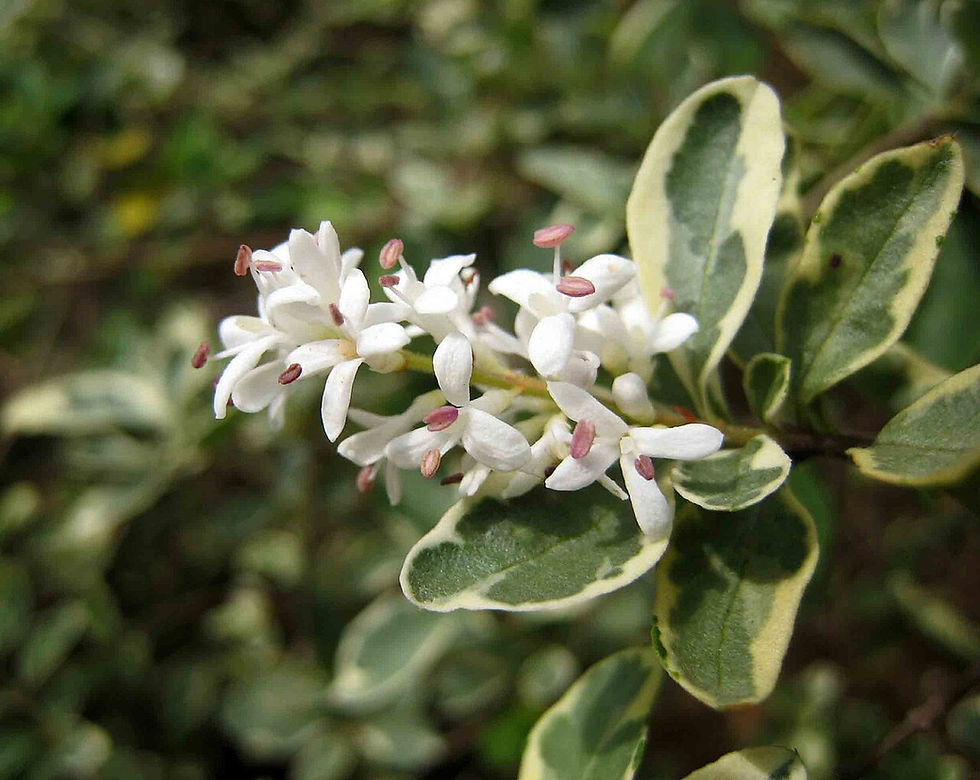
An extraordinarily fast-growing, semi-evergreen to deciduous shrub native to China, Vietnam, and Laos, celebrated for its dense arching branch structure, abundant panicles of sweet-scented white spring blossoms, dark purple-black autumn berries, high pruning tolerance, and widespread use as a screening hedge or versatile bonsai specimen.
Alternative Names: Chinese Privet, Small-Leaved Privet, Troène de Chine (German), Chinesische Liguster (German), Aligustre de China (Spanish), Çin Kurdu / Çin Ligatoru / Küçük Yapraklı Çit Çalısı (Turkish)
Introduction
Botanical Name: Ligustrum sinense (Family Oleaceae) — closely related to common privet (Ligustrum vulgare), Japanese privet (Ligustrum japonicum), olive trees (Olea europaea), and lilac (Syringa).
Native Habitat: Native to China, Taiwan, Vietnam, and Laos. Naturally inhabits valley thickets, stream banks, forest margins, and disturbed slopes from lowlands to mid-mountain zones.
Characteristics: A multi-stemmed, fast-growing semi-evergreen to deciduous shrub or small tree growing 2 to 5 meters in height with a spreading, fountain-like canopy of 2 to 4 meters. Features fine,pubescent (downy) twigs clad in opposite, elliptical-to-oblong, light to mid-green leaves (2 to 7 cm long) with smooth margins. In late spring to early summer (May to July), it produces dense, terminal panicles (4 to 11 cm long) of small, 4-petaled, tubular white flowers that release a potent, sweet, musky fragrance. In autumn, abundant clusters of small, spherical, bluish-black berries (drupes, 5 to 8 mm) form, persisting into winter as a food source for wild birds.
Pros & Cons
Pros
Rapid Screen & Privacy Formation: Extremely fast growth rate creates dense visual privacy barriers, windbreaks, and formal hedges within 2 to 3 seasons.
Exceptional Pruning & Topiary Resilience: Withstands aggressive shearing, shaping, hard rejuvenation pruning, and intricate topiary training effortlessly.
High Adaptability to Urban & Poor Soils: Thrives in compacted clay, lean sandy soils, atmospheric pollution, and varied soil pH levels.
Excellent Bonsai Candidate: Small leaf size, rapid trunk thickening, and tough root structure make it a favorite choice for outdoor and indoor bonsai beginners.
Abundant Pollinator & Bird Value: Summer flower panicles attract bees and butterflies, while winter berries provide valuable food for songbirds.
Cons
Invasive Tendencies in Moist Ecosystems: High seed germination and root-suckering capabilities allow it to naturalize aggressively in wild riverbanks and forest understories in parts of North America and Australia.
Semi-Evergreen Foliage Drop in Cold Winters: Drops leaves in zones with severe sub-zero winter temperatures, temporarily losing its dense evergreen privacy screen until spring re-leafing.
Mildly Toxic Berries & Foliage: Contains terpenoid glycosides; berries and foliage are toxic to horses, livestock, and pets if consumed in quantity.

Field Performance & Care Profile
Light Requirement: Full direct sunlight to partial shade (3 to 6+ hours daily). High solar exposure produces dense foliage density and maximum flower output; tolerates dappled shade well.
Cold Hardiness: Cold-hardy semi-evergreen shrub (USDA Hardiness Zones 7a–10b). Stems withstand winter freezes down to -15°C (5°F); root crowns re-sprout vigorously if top growth is damaged by extreme cold.
Heat & Drought Tolerance: High Heat / Moderate Drought. Performs reliably through baking Mediterranean summer heat once root systems establish.
Soil Requirement: Highly adaptable. Prefers moist, well-draining loams, sandy loams, heavy clay, or limestone soils (pH 5.5 to 8.0). Intolerant only of permanently waterlogged, anaerobic soils.
Root Structure: Fibrous, wide-spreading shallow root system that produces occasional basal suckers.
Height & Spread: Grows 2 to 5 meters tall with a natural spread of 2 to 4 meters (easily sheared to 1 to 2 meters for formal hedges).
Watering: Moderate to Low. Categorized in the Moderate Water Group. Regular watering during the first growing season; established plants thrive on natural seasonal rainfall and withstand dry spells.
Regional Adaptability:
Anatolia & Mediterranean: Performs exceptionally well across Marmara, Aegean, Mediterranean, and coastal Black Sea regions as a hedge and landscape shrub. Grows smoothly across Central Anatolian urban parks (Ankara, Konya) with winter leaf drop.
Global: Broadly planted across Europe, Asia, and North America.
Lifespan: Long-lived woody shrub (30+ years).
Flower & Berry Color: Creamy-white fragrant flowers; dark purple-black winter berries.
Blooming Period: Late spring to early summer (May to July).
Foliage Status: Semi-evergreen (retains leaves in mild coastal zones; deciduous in cold continental interiors).
Difficulty Level: Very Easy (indestructible screening plant).

Propagation Methods
Semi-Hardwood / Softwood Cuttings (Primary Method): Take 10 to 15 cm stem cuttings in late spring or mid-summer. Strip lower leaves, dip in rooting hormone, and insert into a moist mix of perlite and peat. Roots form rapidly within 2 to 3 weeks under warm, humid conditions.
Seed Sowing: Harvest ripe purple-black berries in late autumn, remove fruit pulp, and sow seeds outdoors in autumn or give cold stratification for 60 days before spring sowing.
Pro Care Tips & Secrets
Prune Immediately After Blooming for Formal Hedges: Trim or shear formal hedges in early summer right after flower panicles fade. This maintains neat geometric lines while preventing the plant from setting abundant seed heads.
Use 'Variegatum' Cultivar for Ornamental Color: For garden borders or smaller hedges, select Ligustrum sinense 'Variegatum' (Variegated Chinese Privet), which features attractive white-and-green mottled foliage that lightens dark garden corners.
Rejuvenate Overgrown Shrubs via Hard Stooling: If an old privet hedge becomes bare at the base, cut all main stems down to 15–20 cm above ground level in late winter (February). The vigorous root system will push a dense thicket of fresh green shoots by mid-spring.
Tags: Semi-Evergreen | Shrub | Oleaceae | Cold-Hardy | Hedge-Plant | Topiary | Fragrant | Heat-Tolerant | Fast-Growing | Low-Maintenance


Comments