


Architectural Tropical Perennial: Indian Shot (Canna indica)


An exceptionally bold, heat-loving perennial celebrated for its dramatic banana-like foliage, vibrant tropical blossoms, high versatility in wet or dry microclimates, and striking architectural presence in summer borders, water margins, and container landscapes.
Alternative Names: Indian Shot, African Arrowroot, Canna Lily, Wild Canna, Balisier (French), Indisches Blumenrohr (German), Caña de India / Achira (Spanish), Hint Kanası / Tespih Çiçeği / Kanna (Turkish)
Introduction
Botanical Name: Canna indica (Family Cannaceae) — closely related to ginger (Zingiber), banana (Musa), and arrowroot (Maranta).
Native Habitat: Native to tropical and subtropical regions of the Americas (from the Caribbean and Central America down to South America). Naturally inhabits damp forest clearings, riverbanks, marsh margins, and warm sunny thickets.
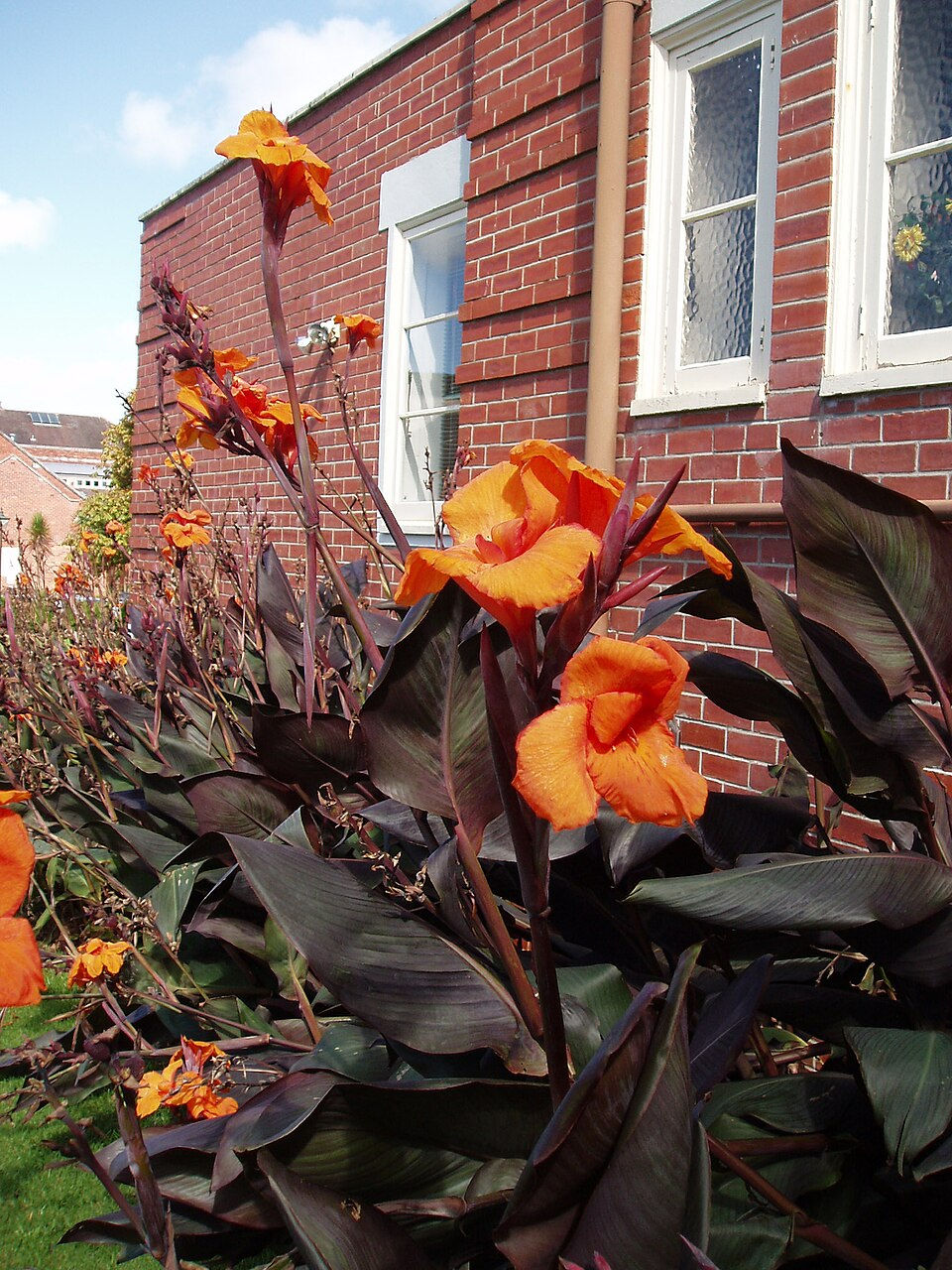
Characteristics: A fast-growing, upright, rhizomatous perennial reaching 1 to 2.5 meters in height with a clumping habit. Produces large, smooth, oblong to broad lanceolate leaves (30 to 60 cm long) that sheath around central fleshy stems, resembling small banana plants. Foliage varies from vibrant apple-green to bronze-purple and striped variegated patterns depending on the cultivar. From early summer through autumn, it sends up sturdy terminal flower spikes bearing asymmetric, tubular, iris-like blossoms (5 to 10 cm wide) in vivid shades of scarlet-red, orange, yellow, and coral. The flowers are followed by waxy, spiky, spherical seed capsules containing hard, black, shot-like seeds.
Pros & Cons
Pros
Dramatic Tropical Architecture: Adds immediate tropical height, lush leaf texture, and bold structural focal points to temperate and Mediterranean summer landscapes.
Continuous Warm-Season Bloom Cycle: Flowers relentlessly from June until the first heavy autumn frost, producing repeated waves of vibrant blossoms.
High Adaptability to Soil Moisture: Thrives equally well in well-drained garden beds and poorly drained, boggy soils or shallow water margins (rain gardens and pond edges).
Edible & Functional Rhizomes: The starchy underground rhizomes (known historically as Achira) are edible and rich in easily digestible starch.
Pest & Deer Resilience: Tough, fibrous leaf tissues and fleshy stems are rarely browsed by deer or rabbits.
Cons
Tender Underground Rhizomes in Freezing Zones: Rhizomes suffer frost damage if ground temperatures drop below -5°C (23°F); must be dug up and overwintered indoors in cold regions.
High Water & Nutrient Demands for Peak Performance: Requires heavy feeding and consistent moisture during peak summer growth to produce maximum foliage size and flower spikes.
Susceptible to Canna Leaf Rollers & Slugs: Caterpillars (canna leaf rollers) and snails can tatter young emerging leaves if left unchecked.

Field Performance & Care Profile
Light Requirement: Full direct sunlight (6 to 8+ hours daily required). Maximum solar radiation induces richer leaf pigmentation, sturdy non-flopping stems, and abundant flower production.
Cold Hardiness: Tender perennial (USDA Hardiness Zones 8a–11b as a perennial; Zones 3a–7b grown as a summer perennial with lifted rhizomes). Foliage collapses at first frost (0°C / 32°F); rhizomes survive underground if soil doesn't freeze deep.
Heat & Humidity Tolerance: High to Exceptional. Thrives in summer heat waves above 38°C (100°F) and high atmospheric humidity with zero scorching if soil moisture is supplied.
Soil Requirement: Prefers rich, fertile, deep loams loaded with organic compost or well-rotted manure (pH 6.0 to 7.5). Exceptionally tolerant of heavy clay, boggy soils, and poorly drained moist depressions.
Root Structure: Thick, branching, fleshy underground rhizomes that store vast amounts of water and starch.
Height & Spread: Grows 1 to 2.5 meters tall with a horizontal rhizomatous spread of 60 to 100 cm per clump.
Watering: Moderate to High. Categorized in the Moderate-to-High Water Group. Requires regular, deep watering during hot summer growth. Intolerant of prolonged summer drought in sandy soils.
Regional Adaptability:
Anatolia & Mediterranean: Outstanding performer across coastal, Aegean, and Mediterranean gardens; thrives along pond edges, pool terraces, and irrigated inland borders.
Global: Widespread tropical staple across public parks, summer bedding schemes, and container gardens worldwide.
Lifespan: Long-lived rhizomatous perennial (rhizomes perpetuate indefinitely through annual division).
Flower Color: Bright red, orange, golden yellow, pink, coral, and speckled bicolors.
Blooming Period: Early summer to late autumn (June to November, or until first hard freeze).
Foliage Status: Herbaceous perennial (top growth dies back with frost; renewed fresh growth emerges from rhizomes in mid-spring).
Difficulty Level: Very Easy (fast, rewarding grower; simple rhizome lifting in cold winter zones).
Propagation Methods
Rhizome Division (Primary & Best Method): In late winter or early spring (or when lifting rhizomes in autumn), cut mature clump rhizomes into smaller sections using a clean, sharp knife. Ensure each division has at least 1 to 2 prominent "eyes" (growth buds) attached. Plant 8 to 10 cm deep into fertile soil.
Seed Propagation (Scarification Required): The hard, shot-like seeds have a dense outer coat. File or nick the hard seed coat with sandpaper or a metal file until the white inner endosperm is visible, soak in warm water for 24 hours, and sow at 22°C–25°C (72°F–77°F). Germinates within 1 to 2 weeks.
Pro Care Tips & Secrets
Feed Heavily with High-Potassium Organic Fertilizer: Canna indica is a heavy feeder. Apply a generous layer of mature compost or well-rotted manure around the base in spring, followed by potassium-rich liquid feedings (such as kelp or banana peel tea) every 3 weeks during summer to boost continuous blooming.
Deadhead Spent Floral Stalks Down to the Next Node: As individual flower clusters fade, cut the spent stalk back to the nearest node or leaf sheath. This stops energy loss to seed production and encourages lateral flower buds to push up rapidly.
Scarify Seeds Properly for High Germination: The common name "Indian Shot" comes from the hard, heavy, spherical seeds that resemble musket shot. Never plant dried seeds directly into soil without nicking the outer shell—unscarified seeds can sit dormant in moist soil for years without germinating.
Tags: Perennial | Rhizome | Cannaceae | Tropical-Plant | Summer-Bloomer | Water-Garden | Container-Gardening | Bold-Foliage


Comments