


Aromatherapy Gardens

Aromatherapy Gardens: Designing Healing Landscapes for Sensory Wellness
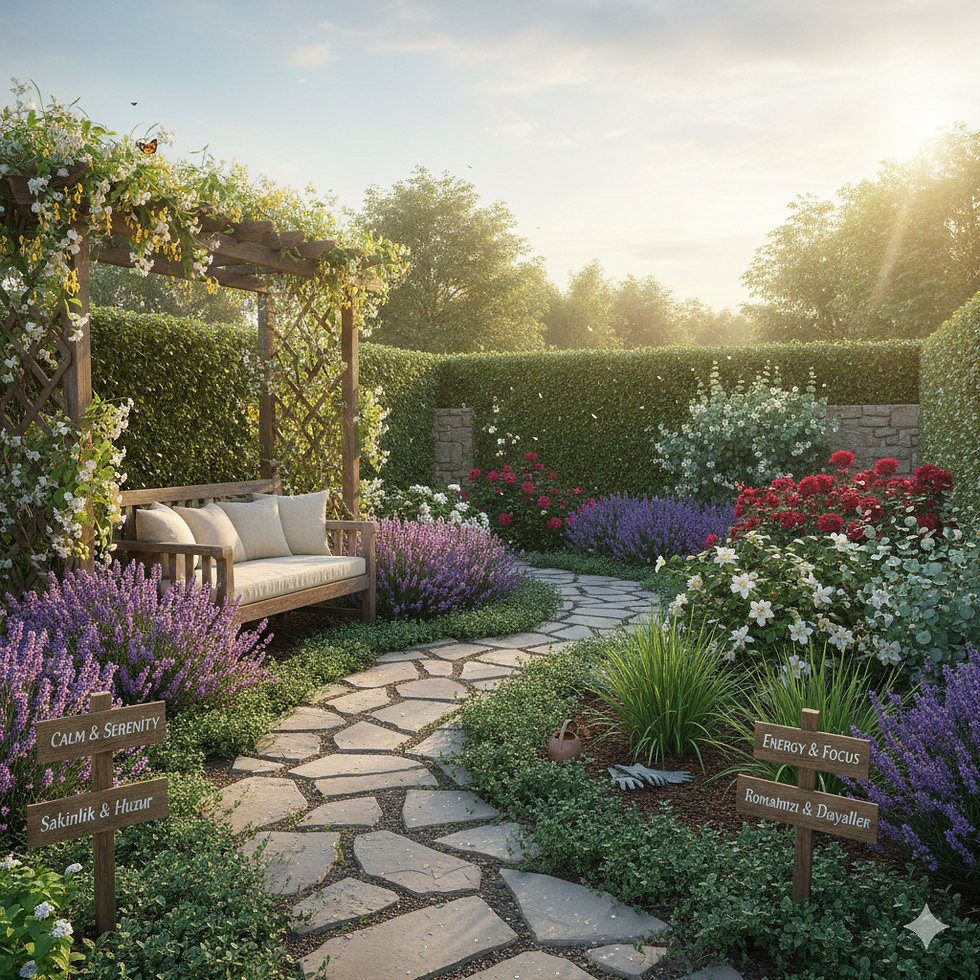
An aromatherapy garden is a specialized landscape design that engages both the visual and olfactory senses, harnessing natural plant essential oils to support mental and physical relaxation. As urban stress increases, these "healing landscapes" have emerged as essential retreats for domestic wellness and ecological harmony.
What Is an Aromatherapy Garden?
Aromatherapy gardens form part of the broader therapeutic landscape concept. Unlike traditional ornamental gardens, plant selection prioritizes the physiological and psychological impacts of volatile essential oils on the human nervous system rather than purely visual aesthetics. The primary goals are reducing stress, improving sleep quality, enhancing mental focus, and creating a peaceful sanctuary.
Step-by-Step Installation Guide
Designing a successful aromatherapy garden requires balancing the biological needs of plants with your sensory expectations.
1. Microclimate Placement & Wind Dynamics
Location is critical to ensure volatile organic compounds (VOCs) remain suspended in the air around sitting areas:
Wind Shelter: High winds disperse essential oils rapidly. Enclosing your sensory zone within a sheltered corner, stone wall, or dense hedgerow traps and concentrates fragrance.
Solar Exposure: Most aromatic Mediterranean herbs (such as lavender, rosemary, and thyme) require abundant, direct sunlight—at least 6 to 8 hours daily—to maximize essential oil synthesis inside their glandular trichomes.
2. Functional Plant Grouping
Group plants purposefully based on your desired mental or physical outcomes:
Sative & Calming: Lavender, German chamomile, and catnip. These are ideal for quiet evening seating nooks and relaxation corners.
Energizing & Clarifying: Peppermint, eucalyptus, and lemon balm (Melissa). These stimulate focus, open airways, and suit areas near outdoor workspaces or morning patios.
Deep & Romantic Aromas: Damask rose, jasmine, and night-blooming species. These add classical depth, complexity, and elegance to the landscape.
3. Stratified Layer Planting
Organize plants by height to ensure scents circulate effectively at nose level:
Groundcovers (Footstep Activation): Plant creeping thymes or dwarf mints along path edges where light foot traffic releases volatile oils.
Mid-Story Shrubs: Position woody aromatics like rosemary and lavender immediately adjacent to benches and outdoor seating.
Vertical Climbers: Guide star jasmine or honeysuckle up pergolas, arbors, or walls to allow fragrance to drift downward.
4. Tactile Engagement (Touch-Released Scents)
Many aromatic species lock their essential oils inside specialized leaf glands until physically disturbed. Planting these along narrow walkways ensures that brush contact from arms, legs, or clothing releases immediate bursts of fragrance.
Essential Design & Maintenance Tips
Diurnal Scents: Certain plants (like night-blooming jasmine or evening primrose) release fragrance exclusively after sunset. Select species based on when you utilize your outdoor spaces most.
Avoid Olfactory Clutter: Overcrowding too many dominant scents creates sensory overload. Assigning a single "hero aroma" or harmonic blend to each distinct garden nook creates a far more peaceful experience.
Organic Stewardship: Synthetic chemical pesticides and fertilizers alter natural plant terpene profiles and contaminate the air you breathe. Always rely on biological pest management, compost tea, and organic fertilizers.

Top Plant Selections for Aromatherapy Gardens
1. Soothing & Stress-Relieving Species
Lavender (Lavandula angustifolia): The quintessential aromatherapy plant. Its calming, stress-reducing properties are well-documented. Requires full sun and sharply drained soil.
Lemon Balm (Melissa officinalis): Features a gentle citrus aroma that helps ease anxiety and lift mood.
German Chamomile (Matricaria chamomilla): Emits a soft, apple-like fragrance that brings gentle, nostalgic comfort.
2. Energizing & Focus-Enhancing Species
Rosemary (Rosmarinus officinalis): Known to improve memory retention, alertness, and mental clarity. Thrives in arid and Mediterranean conditions.
Peppermint (Mentha x piperita): Sharp, invigorating menthol aroma that helps relieve headaches and boost mental alertness.
Lemon Grass (Cymbopogon): Delivers a crisp, refreshing, citrus-heavy fragrance that revitalizes outdoor spaces.
3. Emotional Balance & Aesthetic Elegance
Damask Rose (Rosa x damascena): Famous fragrant varieties (like the Isparta rose) produce rich essential oils that balance emotions and elevate garden design.
Jasmine (Jasminum species): Releases an intensely sweet, exotic nighttime scent that promotes deep relaxation.
Scented Geranium (Pelargonium graveolens): Releases a distinct rose-citrus aroma when its leaves are touched, fostering emotional grounding.
Practical Landscape Design Rules
Touch Proximity: Always position tactile aromatics (scented geranium, mint, creeping thyme) right at the edge of pathways or sitting areas where brushing against them is effortless.
Prevailing Winds: Identify your site's dominant wind directions and place aromatic beds upwind of your primary outdoor living areas or open house windows.
Soil Drainage: Nearly all aromatic, essential-oil-rich herbs require well-draining, gritty soil and will suffer in waterlogged clay.


Comments