


Chaos Garden (Kaos Bahçesi) Nedir?
Controlled Freedom in the Landscape: The Chaos Garden Protocol
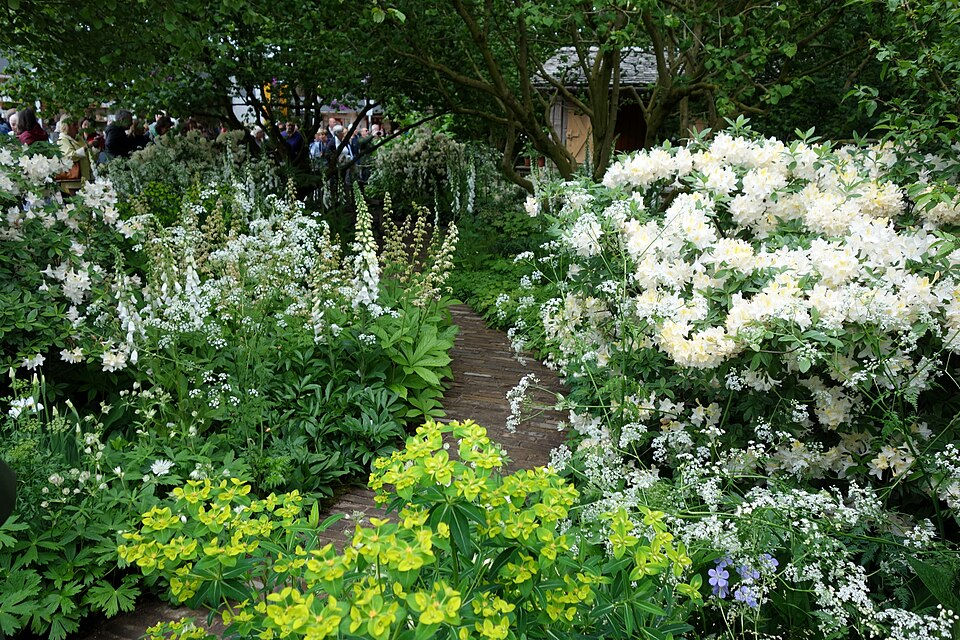
Perfectly manicured lawns, ruler-straight flower borders, and an endless war to impose human "order" on living soil—if this rigid picture feels exhausting, it is time to embrace Chaos Gardening, a philosophy that invites nature to play by her own rules.
What is Chaos Gardening?
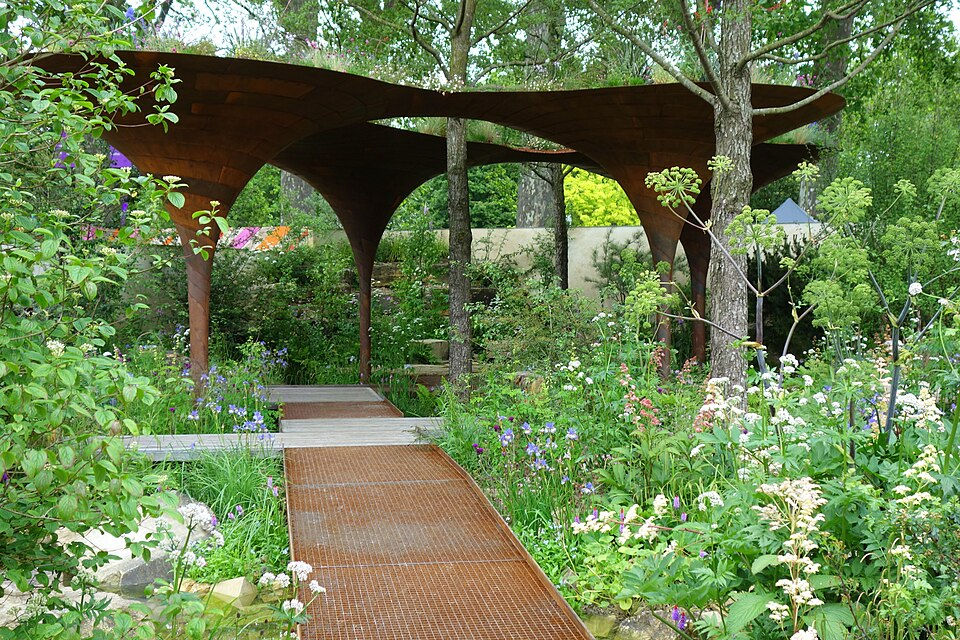
A Chaos Garden represents the thoughtful application of the "let it grow" philosophy to ecological landscape design. However, this does not mean abandoning the plot to invasive, unmanaged weeds. Rather, chaos gardening is active collaboration with natural succession. By keeping human intervention to a bare minimum, it allows plants to develop within their natural life cycles and form spontaneous, mutually supportive plant communities.
Why Establish a Chaos Garden?
Low-Intervention Efficiency: Eliminates the relentless labor of rigid hedge-shearing, obsessive weeding, and forced geometric shaping.
Elevated Biodiversity: Polycultural seed mixes create an intricate habitat network for pollinators, hoverflies, ladybugs, and beneficial soil organisms.
Ecological Resilience: Plants physically support one another, canopy layers shade topsoil to preserve moisture, and dense vegetative cover forms a living shield against invasive weed pressure.
Dynamic Visual Evolution: The unpredictable emergence of self-sown flowers introduces continuous seasonal surprise and organic variation across the landscape.
4 Steps to Designing Your Chaos Garden
Draft Native Seed Assemblies: Collect seeds from locally adapted annuals, biennials, and wild perennials in a single container and mix them thoroughly. Broadcasting seeds randomly across prepared beds is the foundational rule of chaos design.
Harmonize Annuals & Perennials: Combine short-term seasonal bloomers with long-lived perennials to ensure structural continuity and year-round bloom cover.
Allow Natural Seed-Heads to Mature: Resist the urge to deadhead or clear dried flower stalks in autumn. Allow seeds to drop naturally into the soil seed bank to generate spontaneous growth in subsequent seasons.
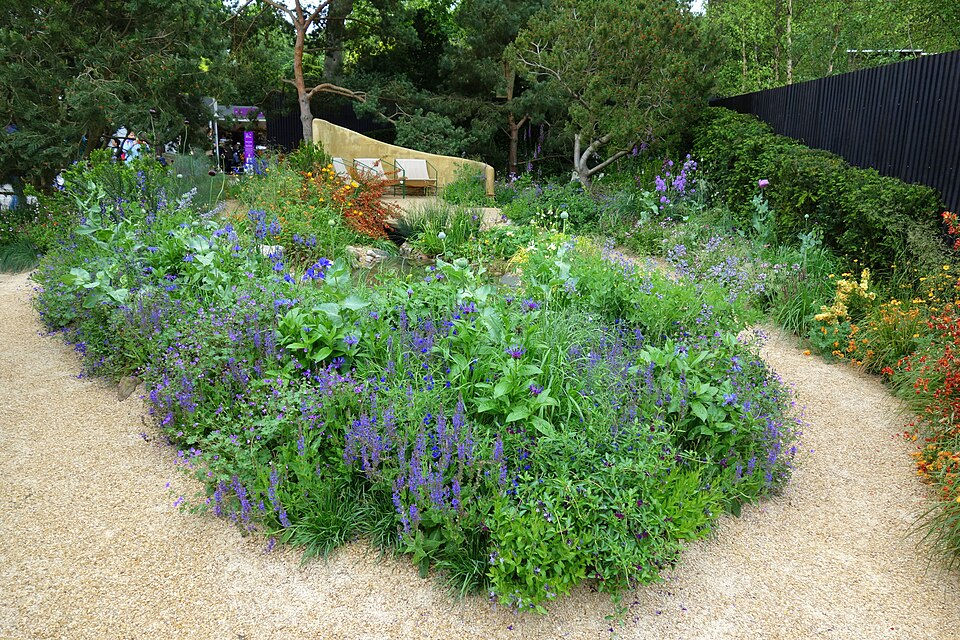
Define Intentional Pathways: Weave narrow, natural walking paths through the dense planting zones. Framing wild growth with clear pathways communicates a clear aesthetic intent: "This landscape is not neglected; it is intentionally wild."
Field Note: Chaos gardening is not laziness—it is profound trust in ecological self-organization. If there is a rule as absolute as physics, it is that nature will always seek and find her own optimal equilibrium.
Conclusion
If you have grown tired of sterile perfection and seek a wilder spirit in your landscape, Chaos Gardening offers a peaceful, living harmony. Release the need to control nature, and observe the beauty she builds when given space to thrive.


Comments