


Designing Resilient Ecosystems, Guilds & Biological Workforce Networks

Nature's Invisible Stakeholders:
When establishing a food forest or a chaos garden, you are not simply planting individual crops—you are designing a self-sustaining ecosystem. An ecosystem functions as a continuous closed loop where every living element serves adjacent life forms. Understanding how to structure these biological interactions and supporting the "unpaid workforce" of nature is the foundation of regenerative landscape design.

1. Structural Architectural Steps for Ecosystem Design
Designing a landscape ecosystem begins by mimicking wild forest dynamics. This strategy relies on four core principles:
No-Till Soil Management (Protect Subterranean Life): The engine of any ecosystem lies beneath the topsoil. Tilling disrupts fragile mycorrhizal fungal networks and destroys earthworm burrows. Instead of turning soil over, top-dress beds with organic compost to replicate natural forest floor stratification.
Closed-Loop Water Management: Intercept and store water on-site. Utilizing swales (contour trenches), rain gardens, and deep organic mulches slows runoff down, spreading and infiltrating water deep into subsoil layers. Moist, biologically active soil serves as the primary fuel of the landscape.
Polycultural Diversity = Ecological Resilience: Monoculture invites pest outbreaks and disease epidemics. Expanding species diversity across canopy and root zones automatically suppresses pest populations and stabilizes micro-climates.
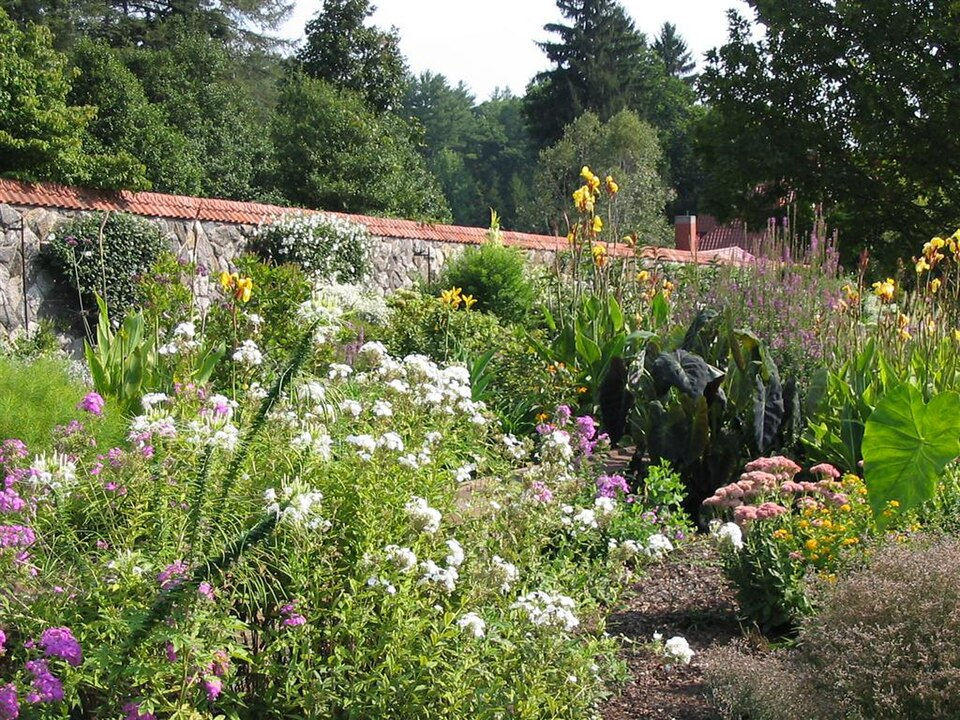
2. The Invisible Stakeholders of the Ecosystem
A landscape's long-term success depends far more on its ecological stakeholders than on human labor:
A. Subterranean Engineers: Mycorrhizal Fungi & Earthworms
The most critical stakeholders are unseen. Mycorrhizal fungi form symbiotic associations with root cells, building a subterranean transport network (the "Wood Wide Web") that delivers moisture and locked nutrients (such as phosphorus) in exchange for plant-derived carbohydrates. Concurrently, earthworms aerate subsoil, create macropores for root growth, and continuously produce high-grade vermicompost in situ.
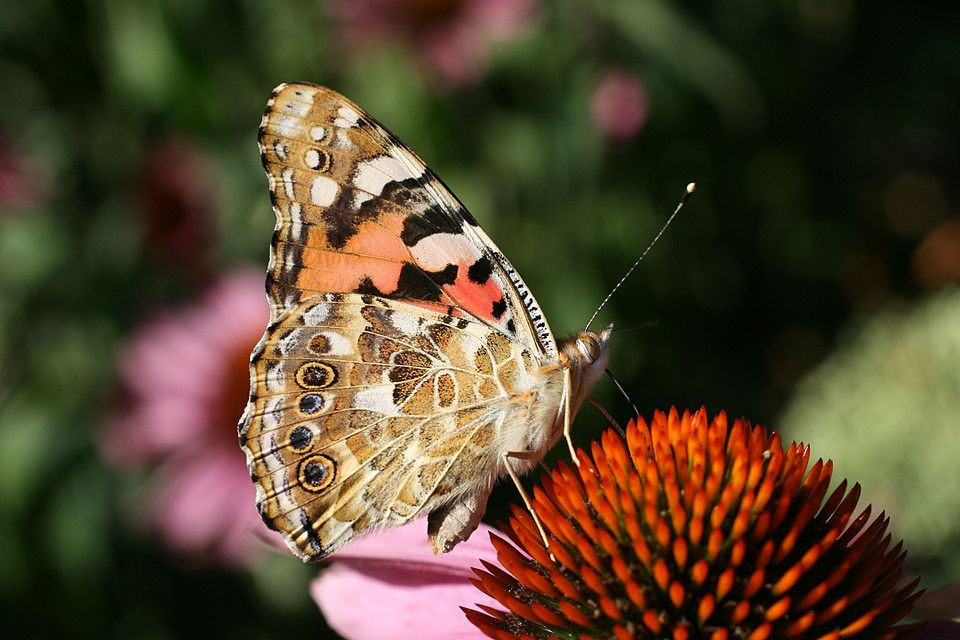
B. Pollinators: Native Bees, Honeybees & Butterflies
Fruit and seed production depend entirely on insect pollination. Installing native bee hotels, providing shallow water stations, and establishing continuous bloom sequences from early spring through late autumn ensures these vital partners remain active on-site.
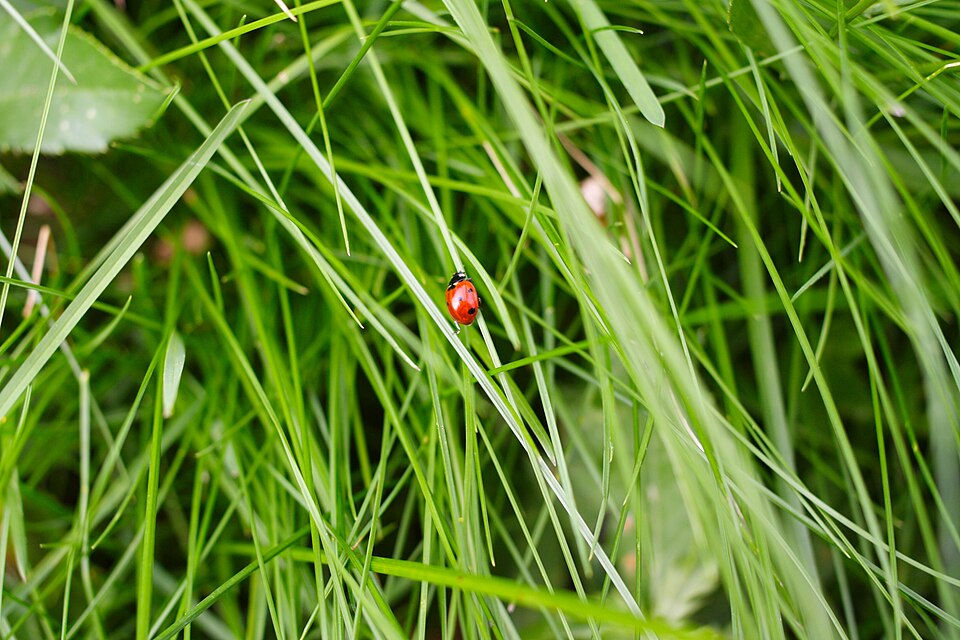
C. Natural Biological Controls: Ladybugs, Predatory Insects & Birds
When aphid populations expand, avoid synthetic pesticides and invite natural predators instead. Providing bird nest boxes, dense shrub cover, and shallow water features attracts insectivorous birds and predatory insects that regulate caterpillar and pest populations naturally.
D. Dynamic Accumulators: Deep-Rooted Herbs
Deep-rooted perennials like comfrey and dandelion function as biological nutrient pumps. Their aggressive taproots draw up mineral ions from deep subsoil layers, accumulating them within foliage that can be harvested as surface green manure.
3. Inter-Stakeholder Harmony: Designing Plant Guilds
In a functional ecosystem, no species exists in isolation. A classic fruit tree guild structures supporting species around a central production tree (e.g., an apple or almond tree):
Nitrogen Fixers (Legumes / Actinorhizal Plants): Feed soil biology through root nodule exudates.
Suppressors (Bulbs & Alliums): Species like daffodils, garlic, or chives deter invasive grasses from encroaching on tree root zones.
Insectary Plants (Umbellifers): Plants like dill and fennel attract parasitic wasps, ladybugs, and hoverflies.
4. Practical Support Strategies for Landscape Ecosystems
1. Keep Topsoil Shielded: Organic Sheet Mulching
Subterranean engineers (earthworms and beneficial microbes) are vulnerable to UV radiation and thermal extremes. Apply a 5 to 10 cm layer of straw, dry leaves, coarse woodchips, or dried grass clippings across exposed ground. This layer retains moisture, buffers soil temperatures, and breaks down over time into accessible humus.
2. Build Insect Hotels & Undisturbed Wild Zones
Overly manicured landscapes deprive predatory insects of winter shelter. Construct small insect hotels using hollow bamboo canes, drilled hardwood blocks, and pinecones. Furthermore, leave a small perimeter zone completely un-mowed to preserve native wild flora and overwintering habitats for solitary bees and ladybugs.

3. Integrate Dynamic Accumulators for Biomass Harvesting
Cultivate Comfrey (Symphytum officinale), Stinging Nettle (Urtica dioica), or Dandelion (Taraxacum). Periodically chop their mineral-rich foliage back and drop it around the drip lines of fruit trees as a free, nutrient-dense green manure.
4. Install Shallow Wildlife Hydration Stations
Insects, birds, and small mammals require accessible drinking water. Fill shallow dishes with clean water and submerge landing stones that protrude slightly above the water line. This allows bees to hydrate safely without risk of drowning while encouraging wild birds to bathe and control garden pests.
5. Feed & Protect Mycorrhizal Fungal Networks
Fungi exchange minerals for plant carbohydrates. Feed subterranean fungal networks by applying aerated compost teas or applying diluted un-sulfured molasses as a carbon supplement. Most importantly, strictly avoid synthetic chemical fungicides, which collapse mycorrhizal networks immediately.

6. Support Nocturnal Ecological Workforces: Bats & Moths
Nocturnal pollinators and bats serve as night-shift ecological guardians. Plant night-scented species like Four O'Clocks (Mirabilis jalapa) or Night-Scented Stock to attract nocturnal moths. Local bat populations will follow, consuming thousands of mosquitoes and agricultural night-flying pests every single evening.
The Golden Rule of Low-Intervention Design: Reduce unnecessary human intervention. Every subterranean burrow, predatory insect, and spiderweb fulfills a precise ecological function. Observing natural order within apparent chaos reveals how much labor nature handles when allowed to self-organize.
Field Note: The single greatest stakeholder in building an ecosystem is time. Nature operates without haste, yet every cycle completes in its proper season. The role of the ecological designer is simply to establish the framework and step back, allowing biological partners to execute their functions.
Conclusion
Approach your landscape not as a factory requiring rigid inputs, but as a living biological community. Recognizing the precise ecological role of each natural stakeholder transforms gardening from an exhausting chore into a fascinating observation of living systems.


Comments