


Dwarf Mondo Grass (Ophiopogon japonicus)


Architectural Evergreen Groundcover:
An exceptionally resilient, shade-tolerant, evergreen herbaceous perennial celebrated for its dense, fountain-like tufts of dark green strap-like leaves, high foot-traffic endurance, and versatile role as an architectural lawn substitute, border edging, and erosion-controlling groundcover across temperate and subtropical microclimates.
Alternative Names: Mondo Grass, Dwarf Mondo Grass, Snake's Beard, Monkey Grass, Ophiopogon du Japon (French), Japanischer Schlangenbart (German), Pasto Ingles / Ofiopogon (Spanish), Bodur Cüce Çim / Yılan Sakalı / Japon Çimi (Turkish)
Introduction
Botanical Name: Ophiopogon japonicus (Family Asparagaceae) — closely related to lilyturf (Liriope) and lily of the valley (Convallaria).
Native Habitat: Native to East Asia (Japan, Korea, and China). Naturally inhabits moist forest floors, shaded stream banks, mountain ravines, and bamboo groves where it forms dense evergreen colonies under high canopy shade.
Characteristics: A slow-spreading, mat-forming evergreen perennial growing in tight, arching, fountain-like tufts. Standard forms reach 15 to 30 cm in height, while dwarf cultivars (such as Ophiopogon japonicus 'Nana') stay at a ultra-compact 5 to 10 cm. Produces leathery, dark green, linear leaf blades (15 to 35 cm long) with fine parallel veins. In mid-summer, small, pale lilac to white bell-shaped flowers bloom on short racemes tucked beneath the dense foliage canopy. The flowers are followed by striking, shiny, cobalt-blue pea-sized berries in autumn.
Pros & Cons
Pros
Premier Shade Lawn Substitute: Thrives in deep shade and under heavy tree canopies where turfgrasses thin out and fail completely.
Foot Traffic & Step Tolerance: Highly durable foliage withstands occasional foot traffic, making it ideal for planting between garden stepping stones and pathway margins.
Low-Mow & Zero-Mow Groundcover: Retains its clean, uniform height year-round without requiring regular lawn mowing or weekly edging.
Exceptional Erosion Control: Thick, stoloniferous networks of fleshy roots and tubers bind topsoil securely along shady slopes, banks, and tree root zones.
High Pest & Disease Resilience: Completely ignored by deer, rabbits, and common garden pests due to its tough, fibrous leaf structure.
Cons
Slow Initial Establishment: Takes 1 to 2 seasons to fill in completely when planted from small plugs or root divisions.
Susceptibility to Standing Water Rot: Crown and root rot can occur in heavy, compacted clay soils with poor drainage.
Lack of Showy Floral Impact: Flowers and blue berries are largely hidden beneath the dense foliage canopy rather than displayed prominently above.
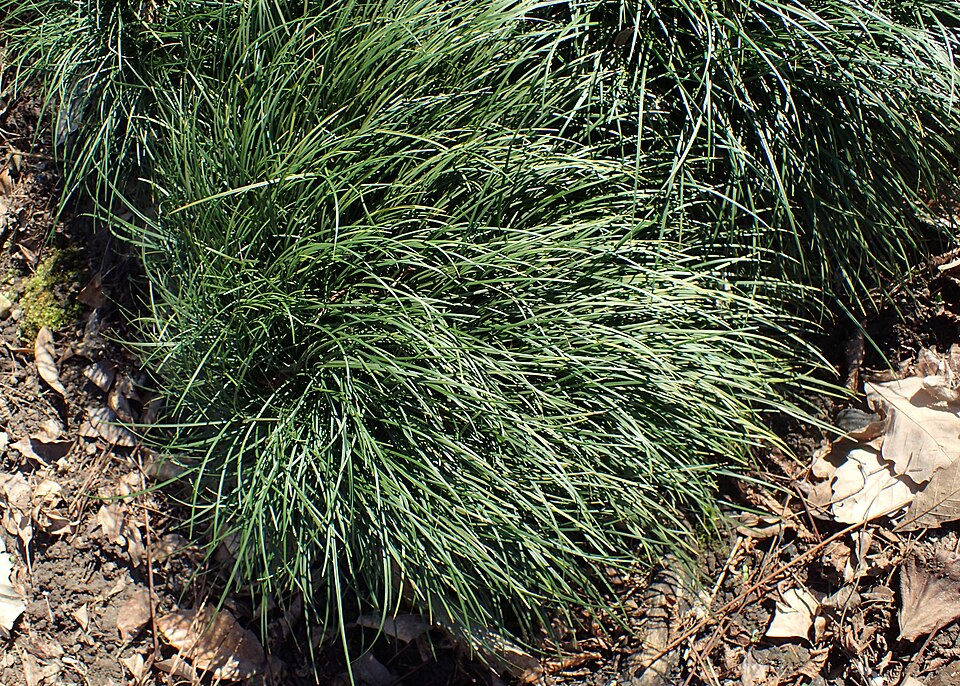
Field Performance & Care Profile
Light Requirement: Partial shade to full shade (2 to 5 hours of indirect light or dappled sunlight daily). Tolerates full sun in cool coastal climates if soil remains consistently moist, but direct mid-day sun scorches leaf tips in hot inland zones.
Cold Hardiness: Broadly cold-hardy evergreen perennial (USDA Hardiness Zones 6a–10b). Foliage retains its deep green color down to -18°C (0°F); roots survive sub-zero freezes.
Heat & Drought Tolerance: Moderate to High. Handles hot summer heat up to 38°C (100°F) in shady microclimates. Highly drought-tolerant once deep root tubers mature.
Soil Requirement: Prefers light, rich, fast-draining loams rich in organic matter (pH 5.5 to 7.0, slightly acidic to neutral). Highly adaptable to sandy loam and clay loam if drainage is adequate.
Root Structure: Stoloniferous network of fibrous roots producing small, fleshy underground storage tubers that retain moisture and nutrients.
Height & Spread: Standard forms grow 15 to 30 cm tall; dwarf cultivars ('Nana') grow 5 to 10 cm tall. Horizontal spread via stolons reaches 20 to 40 cm per plant cluster.
Watering: Moderate to Low. Categorized in the Low-to-Moderate Water Group. Requires regular baseline moisture during its first year, but becomes remarkably drought-tolerant once tubers are established. Allow topsoil to dry slightly between waterings.
Regional Adaptability:
North America: Widespread staple across the American South, Mid-Atlantic, Pacific Northwest, and California as an edging and shade groundcover (USDA Zones 6–10).
Europe & Middle East: Popular in Atlantic, Western, and Mediterranean European gardens, courtyards, Japanese-style zen gardens, and shaded terrace borders.
Lifespan: Long-lived herbaceous evergreen perennial (can thrive undisturbed for decades).
Flower Color: Pale lilac to light pinkish-white.
Blooming Period: Mid-summer to late summer (July to August).
Foliage Status: Broadleaf evergreen (retains glossy dark green color year-round).
Difficulty Level: Very Easy (extremely low maintenance once established).

Propagation Methods
Root Clump Division (Primary Method): Dig up mature foliage clumps in early spring or early autumn. Gently pull apart or slice the root crowns into smaller clusters, ensuring each division has attached roots and underground tubers, then replant directly.
Stolon Separation: Sever creeping stolons with attached rooted plantlets from the parent crown and transplant into damp topsoil.
Pro Care Tips & Secrets
Plant 'Nana' Between Stepping Stones: For high-end Japanese zen or modern stone pathways, use the dwarf cultivar Ophiopogon japonicus 'Nana'. Space plugs 10 to 15 cm apart; its slow, ultra-dense 5 cm cushion fills gaps perfectly without spilling over stone edges.
Perform Early Spring Clean-Up Shearing: To refresh aging or wind-damaged foliage after a harsh winter, set lawnmower deck height to maximum (8 to 10 cm) or hand-shear the canopy in late winter before new shoots emerge.
Boost Soil Structure with Leaf Mold: When planting around large trees with dense root competition, incorporate mature leaf mold or composted pine bark into the top 10 cm of soil to improve moisture retention and tuber development.


Comments