


Evergreen Fragrant Climber: Star Jasmine (Trachelospermum jasminoides)


An exceptionally versatile, woody perennial vine and groundcover celebrated for its glossy evergreen foliage, intoxicating sweet fragrance, pinwheel-shaped white blossoms, and high resistance to heat and drought across warm temperate and Mediterranean landscapes.
Alternative Names: Star Jasmine, Confederate Jasmine, Trader's Compass, Jasmin Étoilé (French), Sternjasmin (German), Jazmín de Leche / Jazmín de Estrella (Spanish), Arap Yasemini / Yıldız Yasemin / Fatoş Yasemini (Turkish)
Introduction
Botanical Name: Trachelospermum jasminoides (Family Apocynaceae) — despite its common name, it is not a true jasmine (Jasminum), but belongs to the dogbane family alongside Vinca and Mandevilla.
Native Habitat: Native to Eastern and Southeastern Asia (China, Japan, Korea, and Vietnam). Naturally inhabits warm humid forest edges, sunny thickets, and rocky hillsides where it scrambles over shrubs or climbs tree trunks.
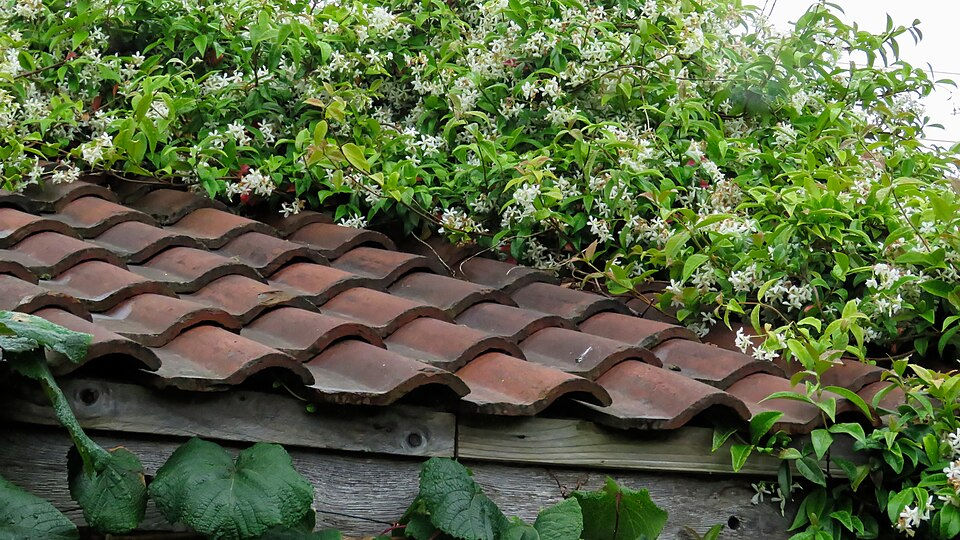
Characteristics: A vigorous, twining, woody broadleaf evergreen climber or sprawling groundcover capable of reaching 3 to 9 meters in height when provided with support, or 30 to 60 cm tall as a dense horizontal carpet. Produces opposite, leathery, oval to lanceolate leaves (4 to 10 cm long) with a glossy, dark green finish. In cold winter weather, the foliage often turns a striking bronze-purplish tone without dropping. From late spring to mid-summer, it is blanketed in small, 5-petaled, pinwheel-shaped pure white flowers (2 to 2.5 cm wide) that emit an intense, sweet, nutmeg-perfumed fragrance.
Pros & Cons
Pros
Year-Round Glossy Evergreen Canopy: Retains thick, leathery, dark green leaves throughout all four seasons, providing permanent visual structure and living screening.
Sensational Fragrance & Abundant Floral Yield: Produces hundreds of starry blossoms simultaneously, creating a powerful aromatic canopy around patios, seating areas, and entranceways.
Multi-Functional Landscape Role: Functions seamlessly as a high-climbing trellis vine, an impenetrable woody groundcover, a retaining wall spiller, or a formal clipped hedge.
High Heat, Drought, & Urban Resilience: Tolerates scorching summer temperatures, reflected heat against stone walls, urban air pollution, and dry spells once established.
Deer & Pest Resistance: Milky latex sap within stems and leaves deters deer, rabbits, and most leaf-chewing insects.
Cons
Slow Initial Establishment ("Sleep, Creep, Leap"): Spends its first 1 to 2 years building a deep root system before exploding into rapid top growth.
Irritating Milky Latex Sap: Stems bleed a milky white sap when cut or broken, which can cause skin irritation in sensitive individuals.
Non-Adhesive Twiner: Lacks aerial root pads or suction cups; requires wire mesh, trellises, or manual tying to climb flat masonry or wooden fences.

Field Performance & Care Profile
Light Requirement: Full sun to partial shade (4 to 8+ hours of direct sunlight daily). Blooms most profusely in full sun, but produces larger, darker green leaves in partial shade.
Cold Hardiness: Broadly cold-hardy evergreen vine (USDA Hardiness Zones 7b–10b). Established wood tolerates winter drops down to -12°C to -15°C (10°F to 5°F). Frosts may cause bronze winter discoloration, which turns deep green again with spring warmth.
Heat & Drought Tolerance: Exceptional. Handles summer heat well over 38°C (100°F) and thrives against hot southern brick walls once root zones are settled.
Soil Requirement: Highly adaptable. Prefers well-draining loamy or clay soils rich in organic matter (pH 6.0 to 7.8). Intolerant of standing water or chronically waterlogged soils.
Root Structure: Deep, tough, woody main root network paired with fibrous lateral roots.
Height & Spread: Climbs 3 to 9 meters high with a 1.5 to 3 meter spread; as a groundcover, holds at 30 to 60 cm in height while spreading 1.5 to 3 meters wide per plant.
Watering: Low to Moderate. Requires regular deep watering during its first season. Once established, it becomes distinctly drought-tolerant; allow the top 5 cm of soil to dry out between deep waterings.
Regional Adaptability:
North America: Extremely popular landscape fixture across the American South, West Coast, Pacific Northwest, and Southwest (USDA Zones 7–10).
Europe: Staple vine of Mediterranean, South-Western European, and sheltered UK gardens along sunny walls, courtyards, and pergolas.
Lifespan: Long-lived woody perennial (can thrive for 30+ years in ideal sites).
Flower Color: Pure white to creamy ivory (yellow-flowered cultivars like 'Star of Toscane' also exist).
Blooming Period: Late spring to mid-summer (May to July, with occasional light repeat blooms in autumn).
Foliage Status: Broadleaf evergreen (bronzes slightly in sub-zero winter spells).
Difficulty Level: Very Easy (low maintenance once established; requires basic annual shaping).
Propagation Methods
Semi-Hardwood Cuttings (Primary Method): Take 10–15 cm cuttings in mid-to-late summer from firm new growth. Dip in rooting hormone and plant into a moist perlite-peat mix under high humidity. Roots develop in 4 to 6 weeks.
Ground Layering: Bend a low-hanging flexible stem, nick the outer bark lightly near a node, pin it to damp topsoil, and cover with 3–5 cm of soil. Detach from the mother plant once well-rooted in autumn or spring.
Pro Care Tips & Secrets
Prune Immediately After the Main Spring Bloom Flush: Shape and control size in early summer right after the primary wave of flowers fades. Pruning at this time allows the plant to produce new growth throughout summer, which sets the flower buds for next spring.
Use as an Impenetrable Weed-Suppressing Groundcover: Space plants 60–90 cm apart on open sunny slopes or under high-canopy trees. Clip the tips annually to force horizontal branching, creating a thick 40 cm woody carpet that blocks all weed competition.
Mitigate Sap Exposure During Shearing: Wear gloves and long sleeves when pruning heavy growth to avoid contact with the sticky milky sap, which can irritate skin and stain tools.
Tags: Perennial | Climber | Vine | Evergreen | Fragrant | Apocynaceae | Groundcover | Low-Maintenance


Comments