


Feeding Earthworms in the Garden Instead of Buying Worm Castings

Earthworms function as your garden's unpaid subterranean labor force. Viewing these organisms not merely as fishing bait, but as the true biological circulatory system of your soil, will exponentially increase your landscape's fertility and yield.

Subterranean Engineers: The Essential Role of Earthworms in Soil Regeneration
1. Why Earthworms Are Your Soil's Best Allies
Earthworms execute two foundational ecosystem services: Aeration & In Situ Fertilization.
Subterranean Biological Engineering: As earthworms burrow through the soil profile, they construct extensive networks of vertical and horizontal tunnels. These macro-pores allow oxygen and irrigation water to penetrate deep into root zones, permanently relieving soil compaction.
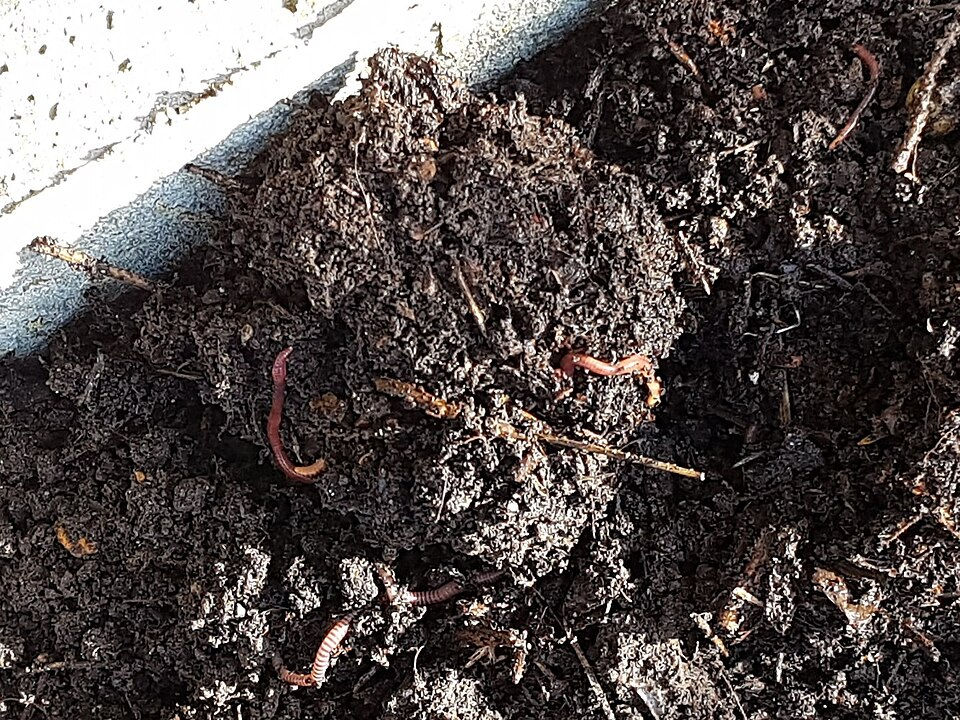
Gold-Standard Bio-Fertilizer (Vermicompost): Topsoil and organic matter passing through an earthworm’s digestive tract undergo powerful microbial enzymatic transformation. Worm castings (vermicompost) contain 5 times more nitrogen, 7 times more phosphorus, and 11 times more potassium than surrounding un-ingested soil.
pH Neutralization & Buffer Management: Earthworm digestion buffers soil acidity, creating a stabilized, nutrient-rich rhizosphere ideal for root absorption.
2. How to Multiply Earthworm Populations
Rather than purchasing and introducing worm strains manually, focus on transforming your garden into a high-grade habitat that naturally attracts local populations:
Construct Abundant Foraging Zones
Earthworms thrive on decomposing organic matter. Never leave topsoil exposed to direct sunlight:
Apply Organic Mulch: Blanket soil surfaces with grass clippings, shredded leaves, clean straw, or ramial woodchips.
Targeted Organic Inputs: Bury vegetable peels and fruit scraps (excluding heavy citrus and the Allium family like onions and garlic) shallowly into topsoil or feed them directly into active composting zones.
Maintain Subterranean Moisture & Shade
Because earthworms respire cutaneously (breathing directly through their skin), they require a consistently moist, cool microclimate:
Maintain regular, deep irrigation without waterlogging beds.
Utilize living groundcovers or thick mulch layers to shield topsoil from intense solar exposure.
Eliminate Synthetic Agrochemicals
Synthetic chemical fertilizers and systemic pesticides/fungicides are highly toxic to earthworms. Phasing out chemical inputs leads to a rapid, spontaneous rebound in native earthworm density.
3. The "In-Situ Worm Tower" Protocol
Installing Worm Towers directly into garden beds creates localized feeding and breeding stations that continuously enrich surrounding soil:
Chamber Preparation: Take a wide PVC pipe or a bottomless bucket and drill multiple 10–15 mm aeration holes around its lower half.
Installation: Excavate a hole and bury the pipe vertically into the garden bed, ensuring the perforated section rests completely underground.
Feeding Schedule: Deposit raw kitchen scraps (fruit/vegetable peels, spent coffee grounds, crushed eggshells) into the top opening and cap with a lid to keep out unwanted pests.
Biological Dynamic: Local earthworms enter the subterranean perforations, digest the organic scraps, deposit nutrient-rich castings into the surrounding root zones, and reproduce safely.
Crucial No-Till Principle: Deep, aggressive tilling or rotary tilling destroys earthworm burrows, severs body segments, and disrupts fungal networks. Adopting low-intervention, no-till permaculture methods remains the most effective strategy to safeguard your earthworm populations over the long term.


Comments