


Fragrant Evergreen Shrub: Mexican Orange Blossom (Choisya ternata)
- Athena

- Aug 2
- 4 min read

An exceptionally elegant, aromatic, broadleaf evergreen shrub native to the sunny hillsides of Mexico, celebrated for its glossy trifoliate leaves that release a citrusy scent when bruised, star-shaped pure white blossoms, high drought tolerance once rooted, and outstanding architectural adaptability across Mediterranean and temperate landscapes.
Alternative Names: Mexican Orange Blossom, Mexican Orange, Choisya, Oranger du Mexique (French), Mexikanische Orangenblume (German), Naranjo Méxicano (Spanish), Meksika Portakal Çalısı / Kokulu İspanyol Yasemini Çalısı (Turkish)
Introduction
Botanical Name: Choisya ternata (Family Rutaceae) — closely related to true citrus trees (Citrus), rue (Ruta), and skimmia (Skimmia).
Native Habitat: Native to the dry mountain slopes, open brushlands, and rocky canyons of Central and Southern Mexico. Naturally adapted to high solar exposure, well-draining mineral soils, and seasonal dry spells.
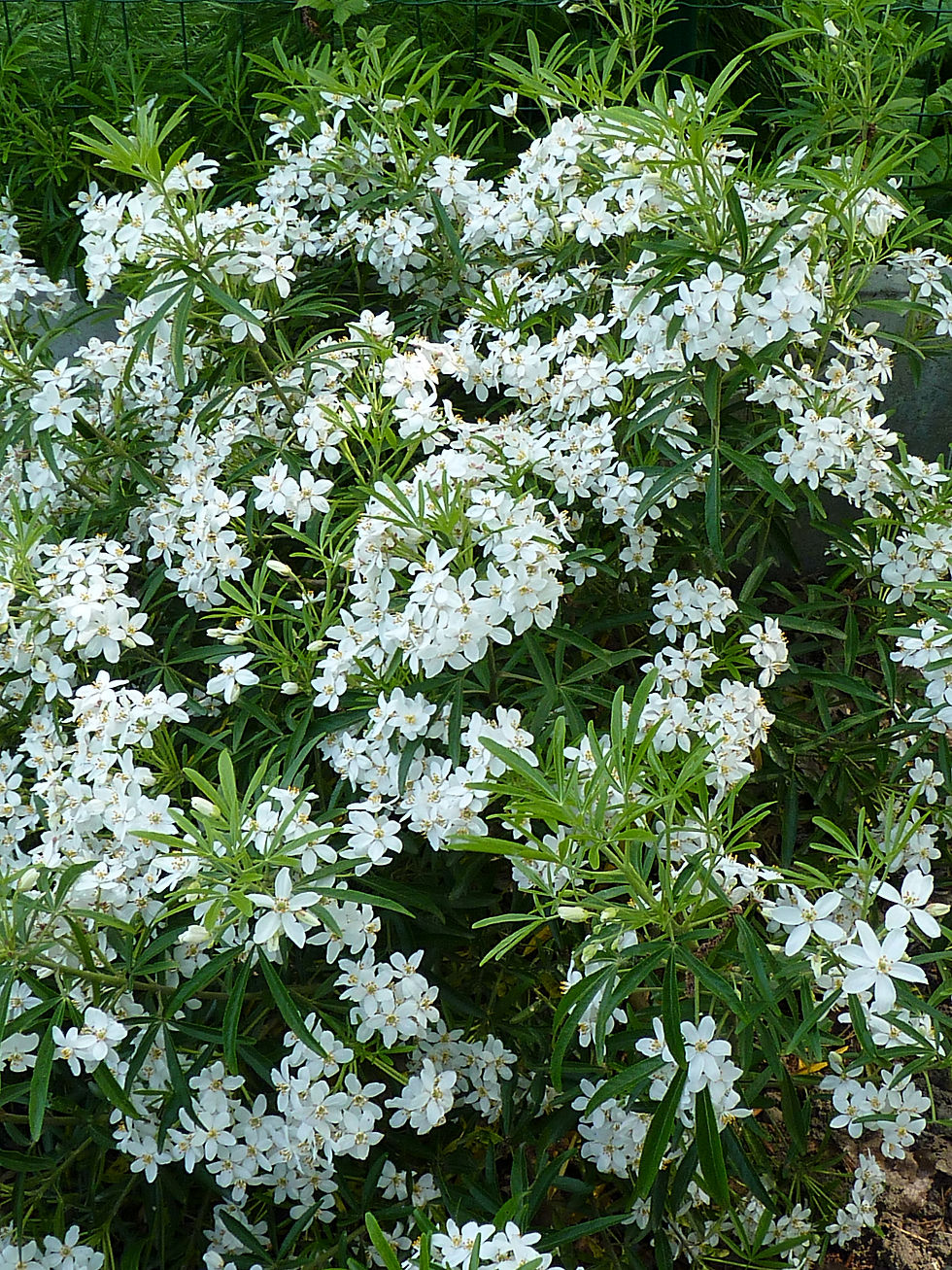
Characteristics: A rounded, dense, multi-stemmed broadleaf evergreen shrub growing 1.5 to 2.5 meters in height with an equal spread of 1.5 to 2.5 meters. Features opposite, trifoliate compound leaves composed of three glossy, dark green, oval leaflets (4 to 8 cm long). When crushed or brushed against, the foliage releases a pungent, sweet aromatic aroma combining orange peel and basil. In mid-to-late spring (April to May)—and often repeating with a lighter bloom wave in autumn (September to October)—it produces dense terminal clusters of sweet-scented, 5-petaled white star-shaped flowers (2 to 3 cm wide) that smell distinctly of orange blossoms. Popular cultivars include Choisya ternata 'Sundance' (featuring bright golden-yellow foliage) and Choisya 'Aztec Pearl' (a hybrid with narrow, thread-like aromatic leaves).
Pros & Cons
Pros
Double Flowering Season: Delivers a heavy, showy floral display in mid-spring, followed by a reliable second flush of aromatic blossoms in early autumn.
Intense Citrus Aroma: Both the star-shaped flowers and crushed evergreen leaves emit a rich orange-blossom and citrus fragrance.
Excellent Drought Resilience: Deep root systems allow established bushes to withstand dry summer spells with minimal supplemental irrigation.
Deer & Pest Immunity: Essential aromatic oils stored within leaf glands naturally deter deer, rabbits, and leaf-chewing insects.
Neat, Naturally Rounded Habit: Maintains a compact, globose mound without requiring heavy structural pruning.
Cons
Intolerant of Poorly Drained, Waterlogged Clay: Susceptible to root rot (Phytophthora) if roots sit in stagnant, saturated soil during winter.
Foliage Scorch in Severe Freezes: Leaves suffer cosmetic frost burn or browning when exposed to dry winter winds below -10°C (14°F).
Golden Cultivars Require Sun Protection: Yellow-leafed varieties ('Sundance') can scorch under intense mid-summer afternoon sun in hot inland zones.

Field Performance & Care Profile
Light Requirement: Full direct sunlight to light partial shade (4 to 6+ hours daily). Full sun produces the densest floral head clusters and richest leaf sheen; tolerates dappled afternoon shade well in hot inland climates.
Cold Hardiness: Moderately cold-hardy broadleaf evergreen shrub (USDA Hardiness Zones 7a–10b). Withstands short winter drops down to -12°C to -15°C (10°F to 5°F). In cold microclimates, plant against warm south- or west-facing stone walls to shield from freezing winter winds.
Heat & Drought Tolerance: High. Adapted to warm Mediterranean-style summers; handles dry heat waves smoothly once established.
Soil Requirement: Highly adaptable to dry soils. Prefers light, fertile, fast-draining loamy, sandy-clay, or gravelly soils (pH 6.0 to 7.8, neutral to slightly alkaline). Excellent performance in lime-rich, calcareous soils provided drainage is fast.
Root Structure: Deep, fibrous root system with strong drought-anchoring capabilities.
Height & Spread: Grows 1.5 to 2.5 meters tall with a symmetrical mound spread of 1.5 to 2.5 meters.
Watering: Low to Moderate. Categorized in the Low-to-Moderate Water Group. Requires regular baseline moisture during its first 1 to 2 seasons. Once established, it is remarkably drought-tolerant, needing only occasional watering during extended summer dry spells.
Regional Adaptability:
Anatolia & Mediterranean: Outstanding performer across Aegean, Mediterranean, and Marmara coastal landscapes; overwinters successfully in sheltered inland gardens across Western Anatolia.
Global: Highly prized structural evergreen across Southern Europe, the UK, the Pacific Northwest, and California.
Lifespan: Long-lived woody evergreen shrub (25+ years).
Flower Color: Pure white to pale blush-pink buds opening to white.
Blooming Period: Primary bloom in spring (April to May); secondary repeat bloom in autumn (September to October).
Foliage Status: Broadleaf evergreen.
Difficulty Level: Easy (low-maintenance once planted in well-drained soil).
Propagation Methods
Semi-Hardwood Cuttings (Primary & Best Method): Take 8 to 12 cm stem cuttings in mid-to-late summer (July to August) from current season's semi-ripened shoots. Trim lower leaves, dip the heel in rooting hormone, and insert into a 50/50 mix of coarse perlite and peat. Keep warm under high humidity; roots form in 4 to 6 weeks.
Layering: Bend a low-hanging flexible stem down to soil level in spring, lightly nick the underside bark, and pin into moist soil. Rooted layers can be detached from the parent plant after 1 year.
Pro Care Tips & Secrets
Prune Lightly Right After the Spring Bloom Wave: To trigger a heavy second flush of flowers in autumn, lightly trim back spent flower stems by 15 to 20 cm immediately after the spring bloom finishes in June. This stimulates fresh lateral growth, which sets flower buds for late summer.
Ensure Flawless Soil Drainage at Planting: If planting in heavy clay or fine-textured soils, avoid planting in depressions. Build up a raised bed or mix coarse gravel and pine leaf humus into the planting hole to ensure rapid water movement away from the root crown.
Protect Golden Cultivars from Direct Afternoon Baking: If growing the yellow-leafed cultivar Choisya ternata 'Sundance', select a site with morning sun and light afternoon shade. Intense, direct mid-day solar radiation in inland climates can scorch bright golden foliage.
Tags: Evergreen | Shrub | Rutaceae | Cold-Hardy | Fragrant | Drought-Tolerant | Spring-Bloomer | Low-Maintenance | Mediterranean-Garden


Comments