


Fragrant Late-Summer Geophyte: Belladonna Lily (Amaryllis belladonna)

An iconic, drought-proof bulbous perennial celebrated for its dramatic late-summer habit of erupting into clusters of sweet-smelling, trumpet-shaped pink blossoms on leafless purplish stems directly from dry, dormant soil.
Alternative Names: Belladonna Lily, Jersey Lily, Naked Lady, March Lily, Amaryllis Belladonne (French), Echte Amaryllis / Belladonnalilie (German), Azucena Rosa / Lirio Belladonna (Spanish), Belladonna Zambak / Çıplak Kadın Çiçeği / Pembe Zambak (Turkish)
Introduction
Botanical Name: Amaryllis belladonna (Family Amaryllidaceae) — the only true species in the genus Amaryllis (distinct from tropical indoor forced bulbs, which belong to the genus Hippeastrum).
Native Habitat: Native to the Southwestern Cape region of South Africa. Naturally inhabits dry granite outcrops, rocky hillsides, coastal scrublands, and Mediterranean-climate winter-rainfall regions.
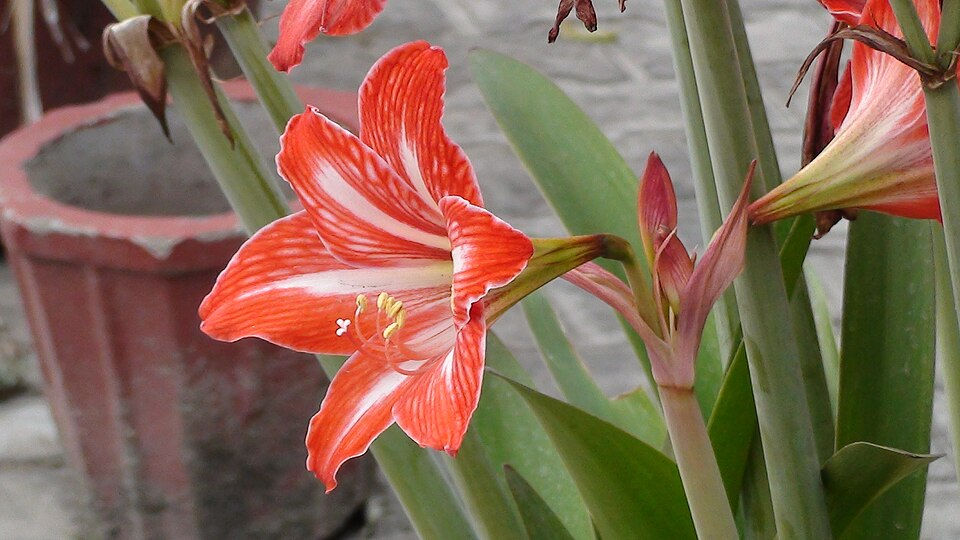
Characteristics: A large, tunicated, bulbous perennial growing 40 to 70 cm in height. Exhibits a unique Mediterranean "hysteranthous" growth cycle (flowers appear before foliage). In late summer to early autumn (August–October), sturdy, leafless, reddish-purple stems push up from bone-dry soil, bearing terminal clusters of 6 to 12 fragrant, trumpet-shaped, soft-pink to rose-colored blossoms (8 to 10 cm wide). After flowers fade in late autumn, thick, strap-like, glossy dark green leaves (30 to 50 cm long) emerge to harvest winter sunlight, dying back completely in late spring as the bulb enters summer dormancy.
Pros & Cons
Pros
Unrivaled Summer-to-Autumn Bloom Impact: Delivers spectacular pink floral display in late summer when most Mediterranean perennial borders struggle with dry heat.
Extreme Summer Drought Immunity: Naturally dormant during summer; requires zero summer watering and thrives in dry, baking soils.
Intense Sweet Fragrance: Flowers emit a rich, bubblegum-and-vanilla floral scent that fills patio and border areas in the evening.
Rodent, Deer, & Pest Resistance: Underground bulbs contain toxic alkaloids (lycorine) that completely deter voles, moles, deer, and rabbits.
True Perennial Longevity: Bulbs clump and multiply over time, living undisturbed in the same garden spot for decades.
Cons
Distinct Leafless Flowering Phase: Stems emerge from bare ground without foliage, requiring evergreen groundcover companions to mask the soil base.
Winter Foliage Sensitivity to Hard Freezes: Winter leaves suffer damage if exposed to sustained temperatures below -5°C (23°F) without protection.
Intolerance to Summer Wetness: Frequent summer watering in poorly drained beds causes fungal bulb rot (Stagonospora curtisii).
Field Performance & Care Profile
Light Requirement: Full direct sunlight (6 to 8+ hours daily required). Direct solar baking on the upper neck of the bulb during summer dormancy triggers strong autumn flower bud formation.
Cold Hardiness: Moderately cold-hardy bulb (USDA Hardiness Zones 8a–11b as a perennial; Zone 7b with deep winter mulching). Bulbs survive soil freezes down to -8°C (18°F) if kept dry.
Heat & Drought Tolerance: Exceptional. Uniquely engineered for Mediterranean dry-summer climates; handles extreme heat up to 40°C (104°F) without stress.
Soil Requirement: Prefers light, lean, fast-draining sandy loam, gravelly, or rocky soils (pH 6.0 to 7.8). Intolerant of heavy, waterlogged clay or boggy soils.
Root Structure: Large perennial bulb with thick, fleshy basal roots that persist through summer dormancy to anchor the plant.
Height & Spread: Flower stems reach 40 to 70 cm tall; foliage cluster spreads 30 to 50 cm wide.
Watering: Very Low (Seasonal). Requires regular moisture during winter and spring when green leaves are actively growing. Completely withhold water during summer dormancy (June–August).
Regional Adaptability:
Anatolia & Mediterranean: Outstanding performer across Aegean, Mediterranean, and dry inland slope regions; excels in xeriscaped rock beds, gravel borders, and dry olive groves.
Global: Highly naturalized across California, Australia, South Europe, and coastal UK as a resilient dry-climate perennial.
Lifespan: Very long-lived bulbous perennial (clumps thrive undisturbed for 30+ years).
Flower Color: Soft pastel pink, bright rose, lilac-pink, and white (rare cultivars like 'Hathor').
Blooming Period: Late summer to early autumn (August to October).
Foliage Status: Winter-green / Summer-deciduous (leaves grow from autumn to spring; fully dormant in summer).
Difficulty Level: Very Easy (provided summer soils remain well-drained and dry).

Propagation Methods
Offset Bulb Division (Primary Method): Dig up dense mature clumps in mid-summer during summer dormancy (July). Gently separate smaller side offset bulbs (clones) from the mother bulb and replant immediately at the correct depth.
Seed Propagation: Fresh flesh-colored seeds germinate easily if sown immediately after harvesting in autumn on a light sandy substrate. Seedlings require 5 to 7 years to reach flowering size.
Pro Care Tips & Secrets
Plant Bulbs with Necks Exposed to Sun: Plant large bulbs shallowly so that the top tip/neck sits just at or slightly above soil level. Solar heat baking the top of the bulb during summer dormancy is critical for triggering the flowering cycle in late August.
Avoid Transplanting Unnecessarily: Amaryllis belladonna resents root disturbance. Newly planted or moved bulbs often skip blooming during their first autumn season while re-establishing basal roots. Leave clumps undisturbed for 5 to 8 years before dividing.
Pair with Low-Growing Summer Groundcovers: Combine Amaryllis belladonna with low-growing, drought-proof evergreen groundcovers or ornamental grasses (Festuca glauca, Ophiopogon, or creeping thyme) to conceal the dry soil base when flower stems shoot up.
Tags: Perennial | Bulb | Amaryllidaceae | Drought-Tolerant | Fragrant | Late-Summer-Bloomer | Xeriscaping | Low-Maintenance


Comments