


How to Attract Butterflies and Bees to Your Garden?

Inviting Pollinators To Your Garden:
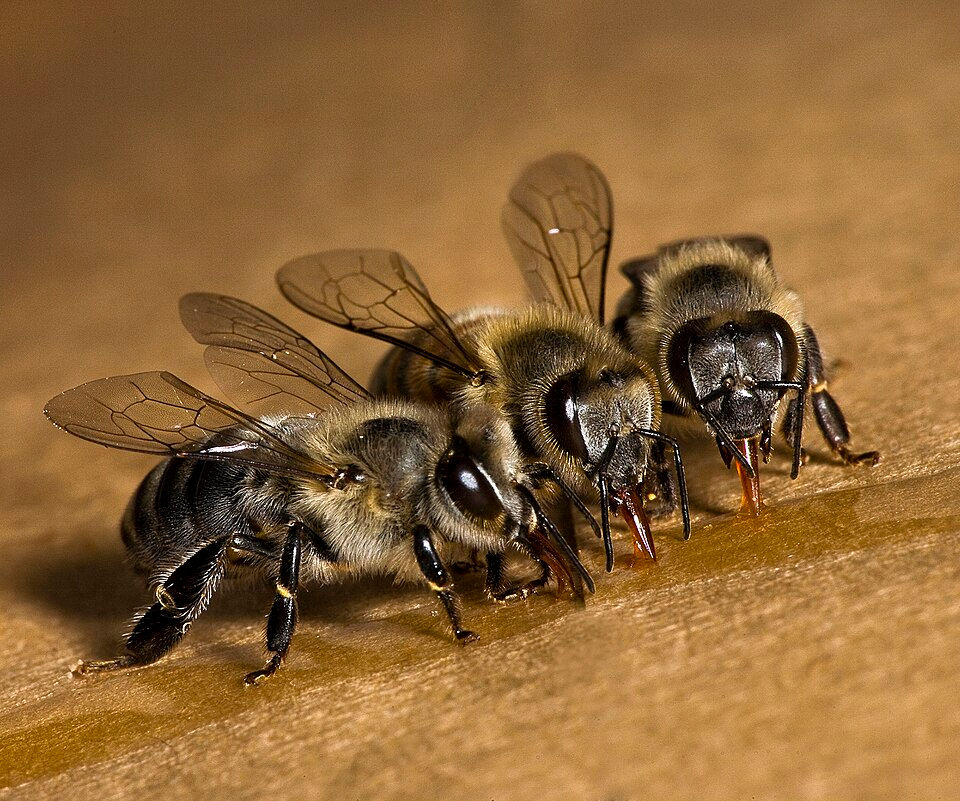
Bees and butterflies are far more than aesthetic ornaments in a landscape—they are the unsung champions of living ecosystems. Inviting them into your garden is equivalent to opening a direct line of vitality to nature's core.
Why Are Pollinators Essential?
These organisms function as primary pollinators, driving the reproductive cycles of flowering plants:
Food Security: Statistically, one out of every three bites of food we consume relies directly on insect pollination. The formation of fruits, vegetables, seeds, and nuts depends heavily on effective pollen transfer.
Biodiversity Anchors: By enabling the reproduction of wild flora, pollinators initiate complex food webs and shelter networks for birds, mammals, and beneficial insects.
Environmental Indicators: Butterflies are exceptionally sensitive to microclimate shifts and environmental pollutants; their active presence serves as a living biological indicator of a clean, balanced garden ecosystem.

5 Golden Rules for Attracting Pollinators
Transforming your garden into a top-tier sanctuary for flying pollinators is straightforward when following these permaculture principles:
1. Select Native, Color-Rich Botanical Species
Pollinators respond strongly to familiar regional flora and specific color spectra:
Color Preferences: Bees exhibit a strong preference for blue, purple, and yellow blossoms. Butterflies are drawn toward warm, vibrant hues like red, orange, and deep pink.
Key Plant Selections: Lavender, rosemary, thyme, coneflowers (Echinacea), and chamomiles serve as high-yield nectar and pollen stations for both groups.
2. Eliminate Synthetic Chemical Pesticides
Synthetic chemical insecticides and systemic pesticides are fatal to beneficial pollinators. To manage unwanted pests, utilize ecological controls such as mild horticultural potassium soap solutions or encourage natural predators like ladybugs and lacewings.
3. Design Shallow Pollinator Watering Stations
Flight consumes significant energy! Provide accessible hydration sources designed specifically for small insects:
Pro Tip: Fill a shallow dish with water and pack it with clean gravel, river pebbles, or glass marbles. This creates stable landing platforms that allow bees and butterflies to drink safely without the risk of drowning.
4. Ensure Continuous Seasonal Bloom Cycles
Select a succession of plant varieties that flower sequentially from early spring through late autumn. Staggering bloom periods ensures a dependable nectar and pollen supply across all active seasons.
5. Build Wild Micro-Habitats & Insect Hotels
Leave a secluded corner of the garden slightly unkept. Stacks of dry branches, hollow reed stems, loose stone piles, and bare patches of undisturbed soil provide crucial nesting sites for solitary bees and overwintering habitats for caterpillars. Installing dedicated Insect Hotels is also an exceptional way to boost structural diversity.


Comments