


How to Create a Bird-Friendly Garden?
Creating an Avian Sanctuary: Designing a Wildlife-Friendly Bird Habitat
Transforming your garden into a haven for wild birds is a rewarding permaculture practice. Attracting birds relies on fulfilling three fundamental ecological needs: safe shelter, fresh water, and diverse food sources.
Part 1: The Foundations of a Bird-Friendly Garden
1. Establishing a Diverse Buffet
Birds appreciate accessible food sources. Offering a varied menu attracts a wider spectrum of local species:
Seed Mixes: Unsilted sunflower seeds, millet, cracked corn, and wheat are universally favored by songbirds.
Fresh Fruit & Sugar Solutions: Suspending halved oranges or apples from tree limbs attracts thrushes, tits, and starlings. Shallow nectar feeders lure nectar-feeding species.
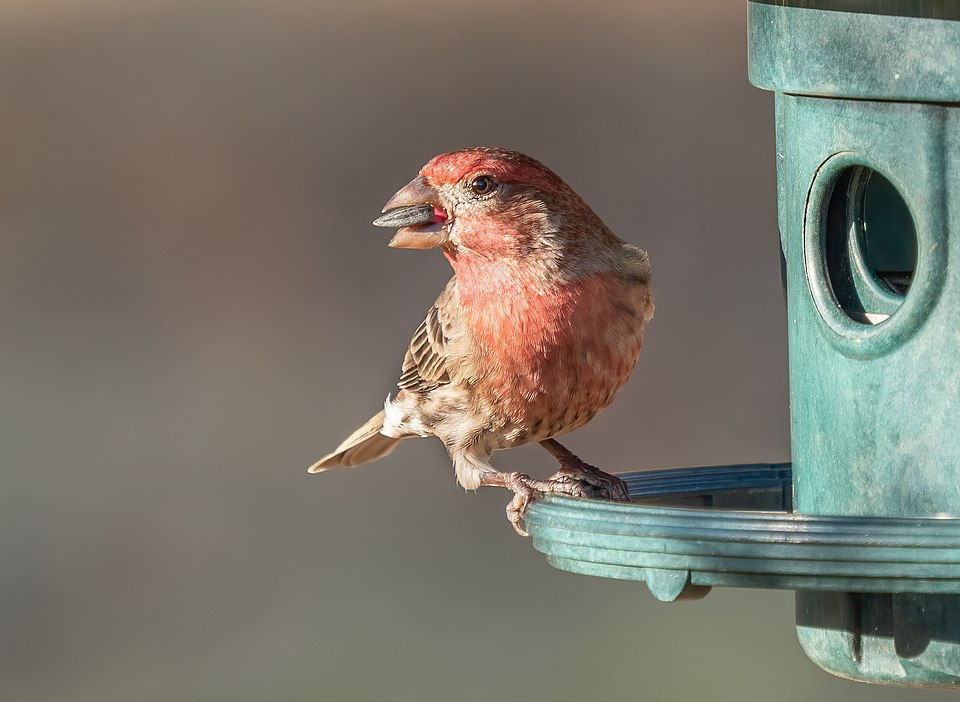
Feeder Types: Combine elevated tube feeders suspended from branches with low tray/platform feeders near ground level, catering to both canopy and ground-foraging species.
2. Water Is Life: Designing Bird Baths
A clean water source can be even more alluring than food. Birds require water for both hydration and feather maintenance.
Shallow Basins: Keep water basins shallow—ideal depths range between 3 to 5 cm.
Maintenance: Refresh the water regularly and scrub the basin to prevent algae build-up and bacterial accumulation.
Acoustic Attraction: Incorporate a small dripper or solar-powered fountain; the sound of moving water acts as a beacon for passing flocks.

3. Habitat Structure & Safe Shelter
Birds avoid exposed locations where they feel vulnerable to predators.
Protective Canopy: Native shrubs and dense-leaved trees provide essential escape cover from predators.
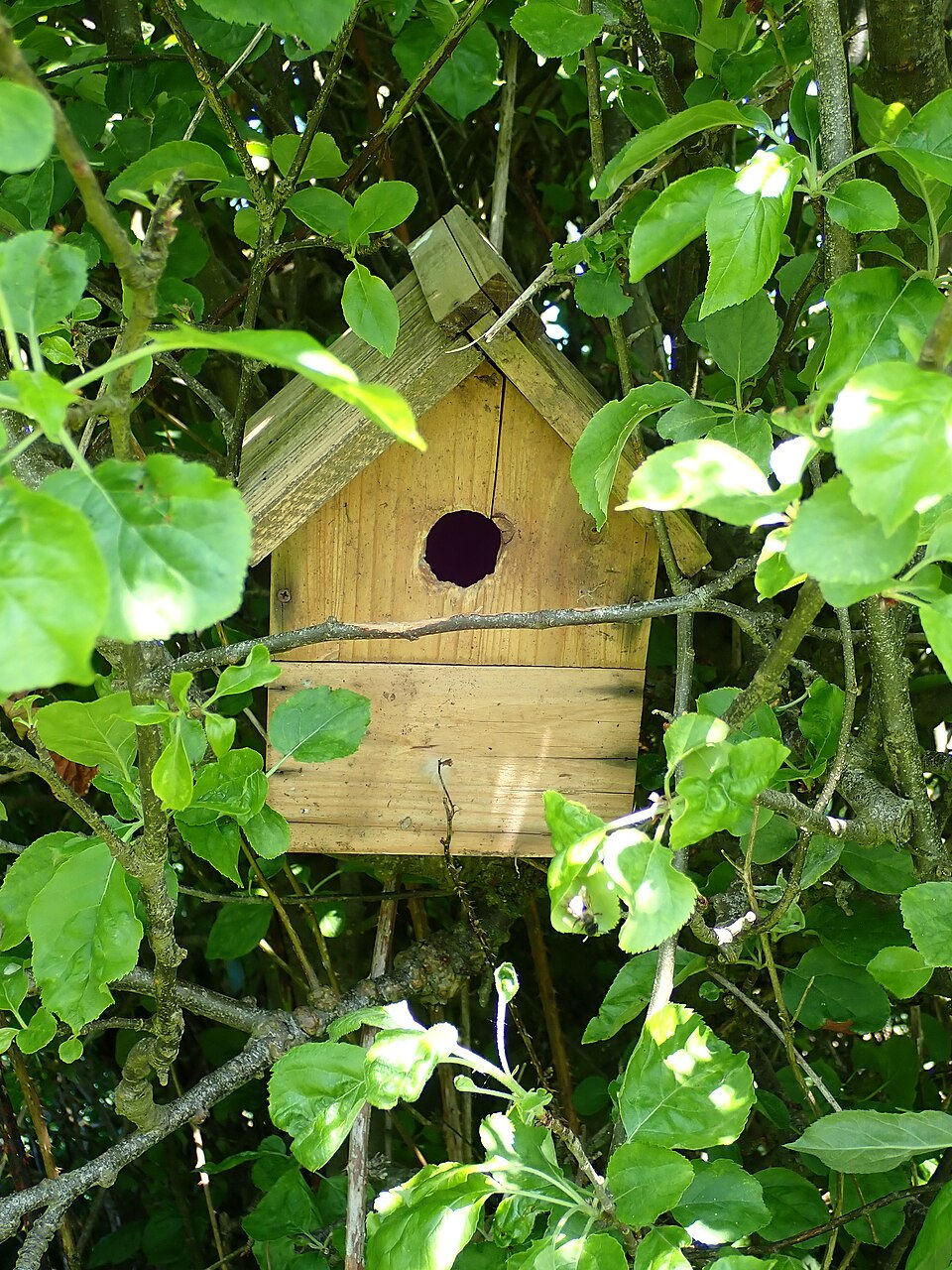
Nesting Boxes: Install birdhouses in quiet, sheltered corners of the garden, elevated well above ground level.
Vertical Layering: Establishing multi-tiered vegetation (ground covers, low shrubs, medium understory, and mature canopy trees) creates ecological niches for various bird species.
4. Safety & Threat Mitigation
Predator Protection: Position feeders and bird baths within clear line-of-sight of potential threats, but close enough to dense brush so birds can quickly retreat to cover if threatened by cats or raptors.
Window Collision Prevention: Apply subtle window decals or UV-reflecting stickers to large glass panes to make them visible to flying birds.
Tip: Birds may take several weeks to discover and trust a new feeding station. Be patient—once your garden becomes part of their regular foraging circuit, they will visit consistently.

Part 2: Advanced Habitat Design & Ecosystem Integration
To elevate your garden from a temporary feeding stop into a fully functioning ecosystem, design for every stage of the avian lifecycle: foraging, nesting, roosting, and predator avoidance.
1. Transition to Native Flora
Indigenous plants provide the ultimate foraging habitat for native bird populations.
Seed-Bearing Perennials: Leave seed heads intact on plants like sunflowers, coneflowers (Echinacea), and marigolds throughout autumn and winter. Birds rely heavily on these dried seed heads during cold months.
Fruiting Berry Shrubs: Plant native berry producers like rosehips, firethorn (Pyracantha), barberry (Berberis), or wild strawberries to supply natural vitamins.
Nectar Sources: Tubular blossoms like honeysuckle supply rich energy reserves for specialized feeders.

2. Cultivating an Insect Buffet
Most bird species—especially during the chick-rearing season—require high-protein insect diets rather than seeds alone.
Eliminate Synthetic Pesticides: Chemical insecticides destroy the primary food web supporting birds and risk secondary poisoning.
Leaf Litter Zones: Designate an undisturbed area for fallen leaves. The moist, decomposing layer beneath leaf litter supports earthworms, beetles, and centipedes—a favorite foraging spot for blackbirds and thrushes.
3. Incorporating Deadwood & Snags
A perfectly manicured, hyper-sterilized garden functions as an ecological desert for wildlife.
Log & Brush Piles: Stack fallen branches, logs, and prunings in a quiet corner. These piles harbor insects while offering roosting cover for small, secretive wrens and sparrows.
Standing Deadwood (Snags): If you have a dead or dying tree that poses no safety hazard, leave it standing. Standing snags provide prime foraging and nesting cavities for woodpeckers and nuthatches.
4. Nesting Material Stations
Sourcing nesting materials requires significant energy during spring breeding. Assist nesting pairs by hanging a small mesh pouch stocked with:
Dry grasses and fine twigs.
Untreated pet fur or raw wool.
Natural cotton fiber and unbleached twine.
5. Designing Dust Bathing Zones
In addition to bathing in water, many bird species take dust baths to maintain feather health, absorb excess oils, and dislodge parasites.
Loosen topsoil in a sunny, protected corner or create a shallow basin filled with a fine sand and dry soil mixture. Watching flocks of sparrows commune for group dust baths is an exceptional addition to a living permaculture garden.


Comments