


Intensely Scented Tropical Shrub: Arabian Jasmine (Jasminum sambac)
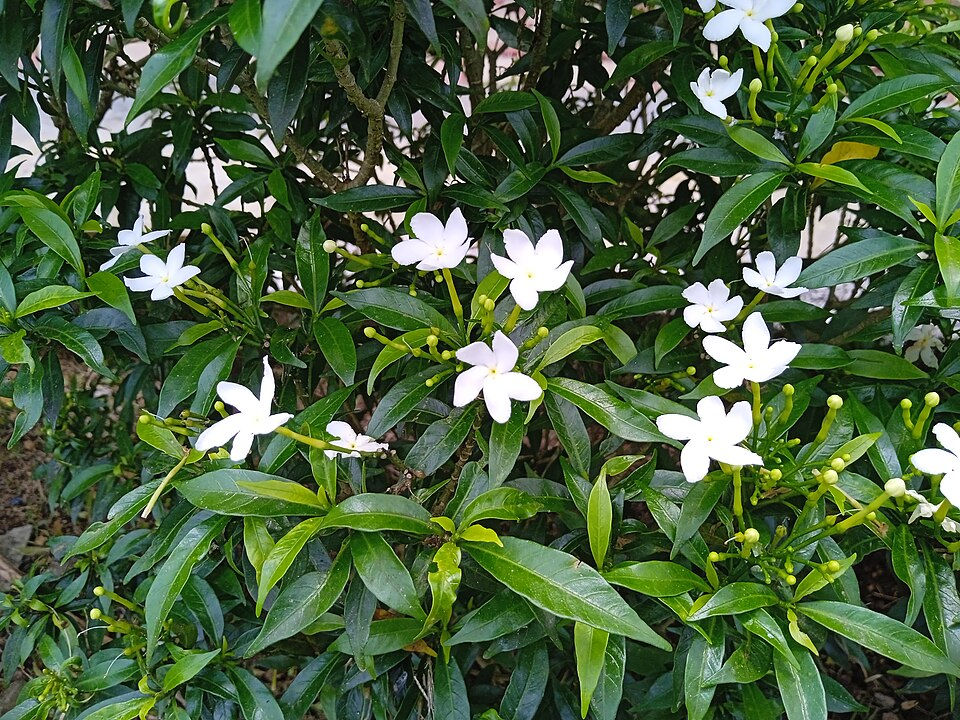
An iconic, heat-loving evergreen woody shrub or scrambling vine world-famous for its intensely sweet, intoxicating fragrance, pure white waxy blossoms, and cultural significance in scented teas, essential oils, and floral garlands across tropical and subtropical microclimates.
Alternative Names: Arabian Jasmine, Sambac Jasmine, Tuscan Jasmine, Sampaguita, Jasmin d'Arabie (French), Arabischer Jasmin (German), Jazmín del Arabia / Sampaguita (Spanish), Arap Yasemini / Katmerli Yasemin / Ful Yasemin (Turkish)
Introduction
Botanical Name: Jasminum sambac (Family Oleaceae) — a true jasmine species closely related to common white jasmine (Jasminum officinale) and wild yellow jasmine (Jasminum fruticans).
Native Habitat: Native to Tropical Asia (originating in South and Southeast Asia, including India and the Philippines). Naturally inhabits warm, humid tropical forest margins, riverbanks, and sunny thickets.
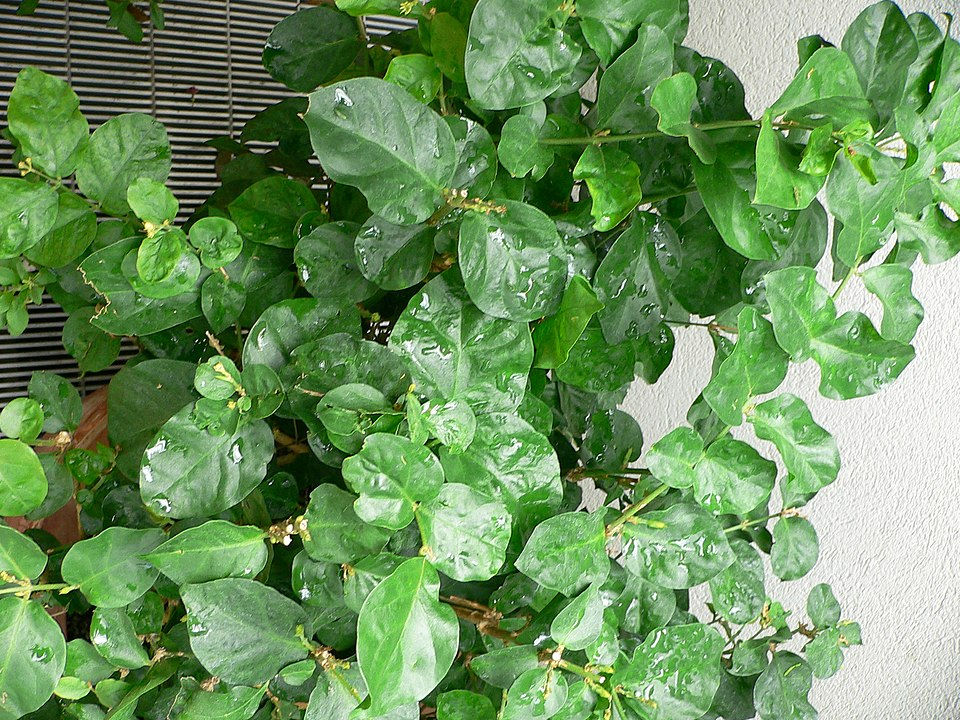
Characteristics: A bushy, evergreen sprawling shrub or weak twining vine reaching 1 to 3 meters in height with an arching habit. Produces broad, smooth, ovate-to-elliptic deep green leaves (4 to 12 cm long) with prominent venation, arranged oppositely or in whorls of three on fine downy stems. From late spring through autumn (and year-round in frost-free tropical zones), it produces clusters of 3 to 12 highly fragrant, waxy, pure white flowers (2 to 3 cm wide). Blossoms open in the late afternoon/evening and gradually fade to pink or pale purple as they age over 24 to 36 hours. Popular cultivars include 'Maid of Orleans' (single-flowered), 'Grand Duke of Tuscany' (double-flowered rose-like blooms), and 'Belle of India'.
Pros & Cons
Pros
World-Class Intense Fragrance: Produces one of the sweetest, most powerful aromatic profiles in the plant kingdom—the essential oil foundation of traditional jasmine green tea and high-end perfumery.
Continuous Warm-Season Bloom: Flowers heavily and repeatedly from spring to autumn, filling outdoor living areas, patios, and balconies with evening fragrance.
Excellent Container Specimen: Adapts exceptionally well to potting culture, making it easy to grow as a sun-room or indoor houseplant in cold winter zones.
Cultural & Culinary Heritage: Non-toxic flowers are widely harvested for infusing teas, crafting essential oils, making floral garlands, and natural aromatics.
Heat & Humidity Loving: Thrives in intense summer heat and high humidity where temperate vines often wilt or scorch.
Cons
Strict Intolerance to Freezing: Extremely frost-sensitive (collapses when temperatures drop near or below 0°C / 32°F); must be overwintered indoors in cold climates.
Moderate Water & Fertilizer Needs: Requires consistent baseline soil moisture and regular feeding to maintain heavy blooming, unlike drought-proof native jasmines.
Susceptible to Spider Mites & Mealybugs Indoors: Dry indoor winter heating air can attract common houseplant pests if humidity is not maintained.
Field Performance & Care Profile
Light Requirement: Full sun to bright indirect light (4 to 8+ hours of direct sunlight daily). Maximum flowering density and fragrance output require direct solar exposure.
Cold Hardiness: Tender tropical/subtropical perennial (USDA Hardiness Zones 9a–11b outdoor perennial; Zones 3a–8b indoor/container specimen). Foliage damage occurs at 2°C to 4°C (35°F–40°F); roots fail under hard frost (below 0°C).
Heat Tolerance: High to Exceptional. Thrives in summer temperatures from 30°C to 40°C (86°F to 104°F) with adequate soil moisture and ambient humidity.
Soil Requirement: Prefers light, fertile, rich, fast-draining potting or garden soils high in organic matter and perlite/peat (pH 5.5 to 6.5, slightly acidic). Intolerant of heavy, alkaline, waterlogged soils.
Root Structure: Fibrous, spreading root system with semi-woody central root crowns.
Height & Spread: Grows 1 to 3 meters tall as a shrub/vine with a spread of 1 to 2 meters depending on pruning and training.
Watering: Moderate. Requires consistent soil moisture during active spring and summer growth. Allow the top 2–3 cm of soil to dry out slightly between waterings, but never let the root ball dry out completely.
Regional Adaptability:
North America: Outdoor perennial landscape shrub in South Florida, Hawaii, and Southern California (Zones 10–11); premier patio container and greenhouse specimen across temperate US regions (Zones 3–9).
Europe & Middle East: Popular conservatory, terrace container, and Mediterranean garden specimen in frost-free coastal pockets (Southern Mediterranean, Aegean, and Levant).
Lifespan: Long-lived woody perennial shrub/vine (can live for decades with proper winter care).
Flower Color: Pure waxy white, aging to soft blush pink/purple.
Blooming Period: Late spring to late autumn (May to November in warm zones; year-round in warm tropical conditions).
Foliage Status: Broadleaf evergreen.
Difficulty Level: Easy to Moderate (straightforward care, but requires winter protection in cold climates).
Propagation Methods
Semi-Hardwood Stem Cuttings (Primary Method): Take 10–15 cm tip cuttings from semi-firm new growth in early to mid-summer. Remove lower leaves, apply rooting hormone, and insert into a moist perlite-peat mix. Place under high humidity at 22°C–26°C (72°F–79°F); roots establish within 3 to 5 weeks.
Air Layering / Ground Layering: Bend a flexible lower branch to touch moist potting soil, nick the bark near a stem node, secure with a wire staple, and cover with topsoil. Detach the rooted clone once strong roots develop in 6 to 8 weeks.
Pro Care Tips & Secrets
Prune Heavily in Late Winter / Early Spring: Jasminum sambac blooms exclusively on new terminal growth. Pruning stems back by one-third to one-half before spring growth begins forces aggressive lateral branching, resulting in a significantly denser canopy and dozens of new flowering tips.
Boost Bloom Production with Potassium-Rich Organic Feeding: Apply a balanced organic fertilizer high in potassium and phosphorus (such as diluted wood ash tea, kelp meal, or fermented fruit/compost tea) every 2 to 3 weeks during summer. Avoid excess nitrogen, which encourages lush leafy growth at the expense of flower buds.
Overwinter Indoors with Bright Light & Reduced Moisture: Bring potted specimens indoors before outdoor temperatures drop below 10°C (50°F). Place in your brightest sunny window, reduce watering frequency (allowing the top 4 cm of soil to dry), and mist foliage occasionally to deter spider mites in dry winter air.
Tags: Perennial | Shrub | Container-Gardening | Fragrant | Oleaceae | Tropical-Plant | Indoor-Outdoor | Warm-Climate


Comments