


Italian Strawflower / Curry Plant (Helichrysum italicum): Golden-Flowered & Fragrant Mediterranean Dwarf Shrub


Native to the sun-drenched, rocky slopes and barren coastal margins of the Mediterranean region, Helichrysum italicum—commonly known as Immortelle, Italian Strawflower, or Curry Plant—is a prized evergreen subshrub. Celebrated for its persistent bright golden-yellow flower clusters that retain their vivid color long after drying, its silvery-grey needle-like foliage, its distinct curry-spiced aroma, and its remarkable drought resistance, it stands out as an essential species for xeric borders, rock gardens, and herbal landscape collections.
Alternative Names: Curry Plant, Immortelle, Italian Strawflower, Ölmez Otu / Altın Ot (Turkish)
Introduction
Botanical Name: Helichrysum italicum (Asteraceae / Sunflower Family) — closely related to Yarrow (Achillea), Lavender Cotton (Santolina), and Sunflower (Helianthus).
Native Habitat: Dry, gravelly, limestone-rich soils and seaside rock crevices across Southern Europe, Italy, Corsica, Croatia, and Mediterranean coastal belts.
Characteristics: A fast-growing, densely branched evergreen subshrub reaching 40 to 60 cm in height and 50 to 80 cm in width. Features fine, linear, velvety silver-grey leaves. From early summer through early autumn (June–September), stems bear dense umbrella-like clusters of tiny, intense golden-yellow flower heads. When brushed against or under warm sunlight, the foliage releases a strong curry and warm Mediterranean spice fragrance.
Pros & Cons
Pros
Everlasting Flower Structure: Harvested and dried flowers retain their brilliant yellow color and structural form for years (hence the name Immortelle).
Exceptional Drought & Lean Soil Tolerance: Performs flawlessly in rocky, gravelly, nutrient-poor, and dry soil conditions.
Striking Silver Contrast: Fine silver-grey foliage provides year-round color and textural contrast alongside green or purple-foliaged perennials.
High Medicinal & Essential Oil Value: Precious essential oil extracted from blossoms is internationally renowned for anti-aging skin care and aromatherapy.
Cons
Rot Risks in Wet, Heavy Soils: Highly susceptible to root rot in poorly drained, waterlogged, or heavily clay-rich soils.
Becomes Floppy in Shade: Loses compact structure, leans, and suffers duller foliage color when grown with insufficient sunlight.
Sensitivity to Extended Hard Freezes: Prolonged temperatures below -10°C to -12°C (10°F–14°F) without snow cover can cause top dieback.
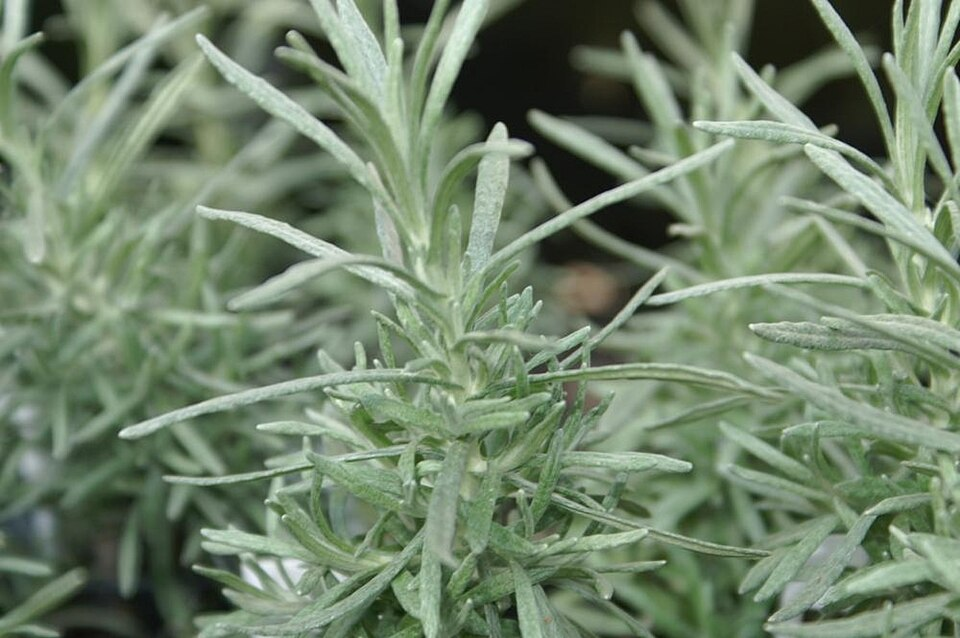
Ölmez otu-Photo by David J. Stang
Field Performance & Care Profile
Light Requirement: Full Sun (Requires a minimum of 6 hours of direct sunlight daily for intense silver foliage, essential oil synthesis, and heavy blooming).
Cold Hardiness: Moderate to High (USDA Hardiness Zones 7a–10b). Root-hardy down to -12°C (10°F); mulch base in harsh continental winter regions.
Heat & Drought Tolerance: High (Xeric). Exceptionally resistant to summer heat, intense sun, and low air humidity.
Soil Requirement: Extremely well-draining, rocky, sandy, or chalky soils low in organic fertility (pH 6.5 - 8.5). Avoid rich, wet soils.
Root Structure: Deep, tough, woody root system tailored to anchoring in dry slopes.
Height & Spread: 40 to 60 cm tall and 50 to 80 cm wide.
Watering: Very Low. Requires minimal irrigation once established; pure drought-tolerant landscape performer.
Regional Adaptability:
Coastal & Mediterranean Belts: Outstanding evergreen performer; functions as a container plant or sheltered perennial in colder interior zones.
Lifespan: Long-lived woody subshrub (10+ years).
Bloom Window: Early Summer to Early Autumn (June – September).
Difficulty Level: Very Easy (virtually maintenance-free when planted in lean, sunny, well-draining spots).
Popular Cultivars
Helichrysum italicum 'Serotinum': Selection favored for commercial essential oil distillation due to its high concentration of aromatic compounds.
Helichrysum italicum 'Nana': Compact dwarf selection growing 25–30 cm tall, making it ideal for low rockery edgings.
Helichrysum italicum 'Microphyllum': Features extra-small, dense silver leaves suited for alpine gardens.

Propagation Methods
Semi-Ripe Stem Cuttings (Primary Method): Take 8–10 cm semi-hardwood cuttings in late summer (August–September). Remove lower leaves and insert into a moist sand-perlite rooting medium under cover.
Seed Propagation: Sow seeds on the surface in early spring at 18°C–22°C (65°F–72°F); light aids germination within 1 to 2 weeks.
Pro Care Tips & Secrets
Prune Lightly After Flowering: Trim spent flower heads and lightly shape the outer foliage envelope in early autumn or early spring. Avoid cutting into old, leafless woody wood, as it does not break easily from hard stems.
Aromatic Mediterranean Pairings: Combine silver foliage and yellow blooms with English Lavender (Lavandula angustifolia), Rosemary (Rosmarinus officinalis), and Lavender Cotton (Santolina chamaecyparissus) for a classic dry herbal border.
Harvesting Everlasting Flowers: For dried arrangements, harvest flower clusters just before the individual buds open fully. Hang upside down in a shaded, well-ventilated area to dry.
Note on Culinary Usage vs. Commercial Curry Spice: Despite its common name "Curry Plant" and its distinct curry-like aroma when bruised, Helichrysum italicum is NOT the source of commercial curry powder. Culinary curry powder is a ground blend of spices including turmeric, cumin, coriander, ginger, and chili. While Helichrysum italicum leaves are occasionally bruised to infuse stews or soups with a faint herbal aroma, they possess a bitter taste and are generally removed prior to serving rather than consumed as a primary culinary spice.
Tags: Immortelle | Curry Plant | Evergreen | Silver Foliage | Drought-Tolerant | Mediterranean Garden | Aromatic Plant | Xeric Landscape | Low-Maintenance


Comments