


Shepherd's Purse (Capsella bursa-pastoris)
Resilient Edible Pioneer:
An exceptionally hardy, cosmopolitan winter annual or biennial weed celebrated for its distinct heart- or purse-shaped flat seed pods, nutrient-rich edible greens, historical herbal medicinal uses, and pioneer adaptability across disturbed soils, dry fields, and wild gardens worldwide.
Alternative Names: Shepherd's Purse, Shepherd's Heart, Pickpocket, Lady's Purse, Bourse-à-pasteur (French), Hirtentäschel (German), Bolsa de Pastor (Spanish), Çoban Çantası / Kuş Ekmek / Kuş Yemiş Otu (Turkish)
Introduction
Botanical Name: Capsella bursa-pastoris (Family Brassicaceae / Cruciferae) — closely related to wild mustard, cress, and Arabidopsis thaliana.
Native Habitat: Native to Eastern Europe and Asia Minor, but today fully naturalized globally across temperate, subtropical, and cold regions. Naturally inhabits disturbed agricultural soils, dry fields, roadsides, garden beds, and rocky waste places.
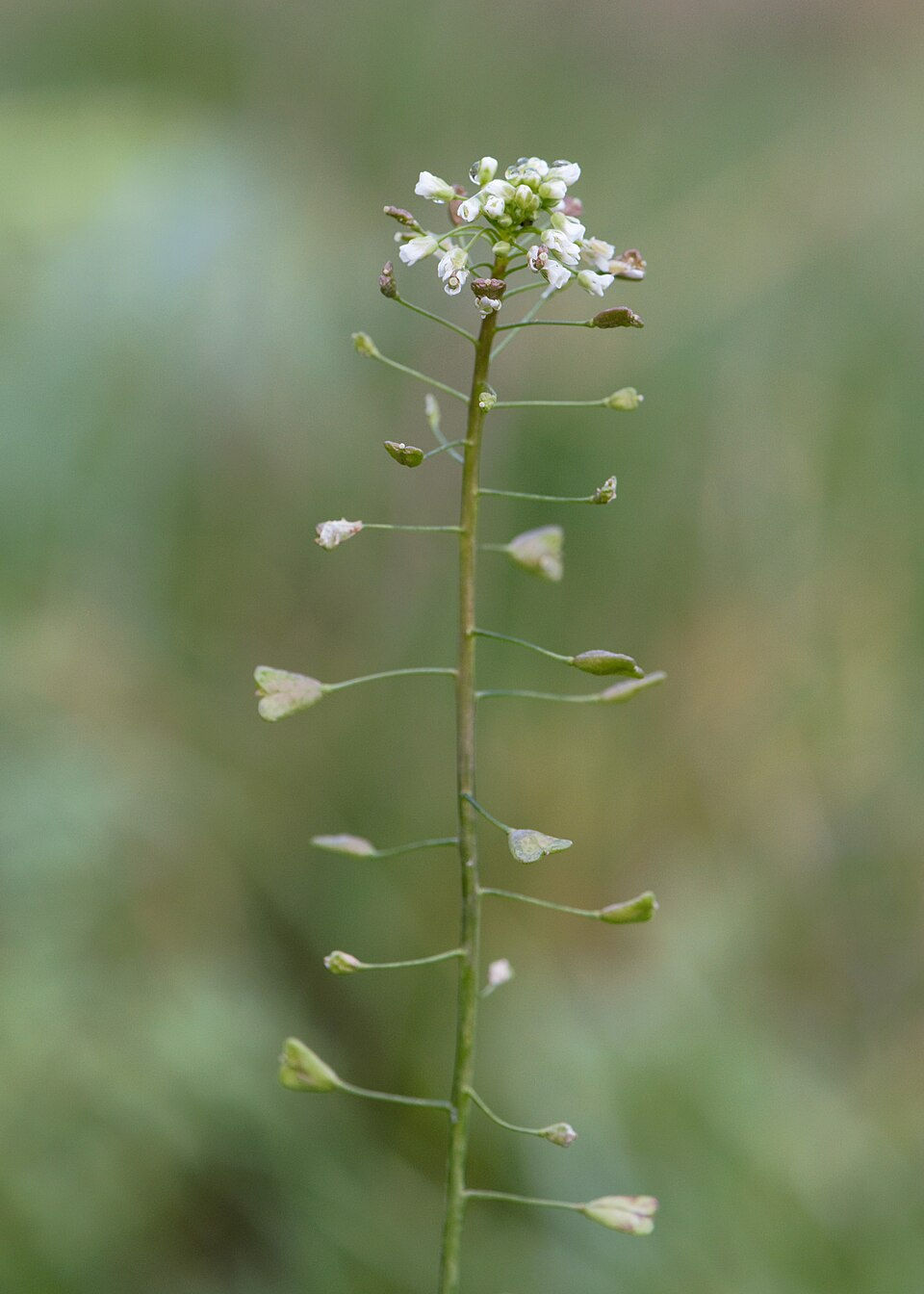
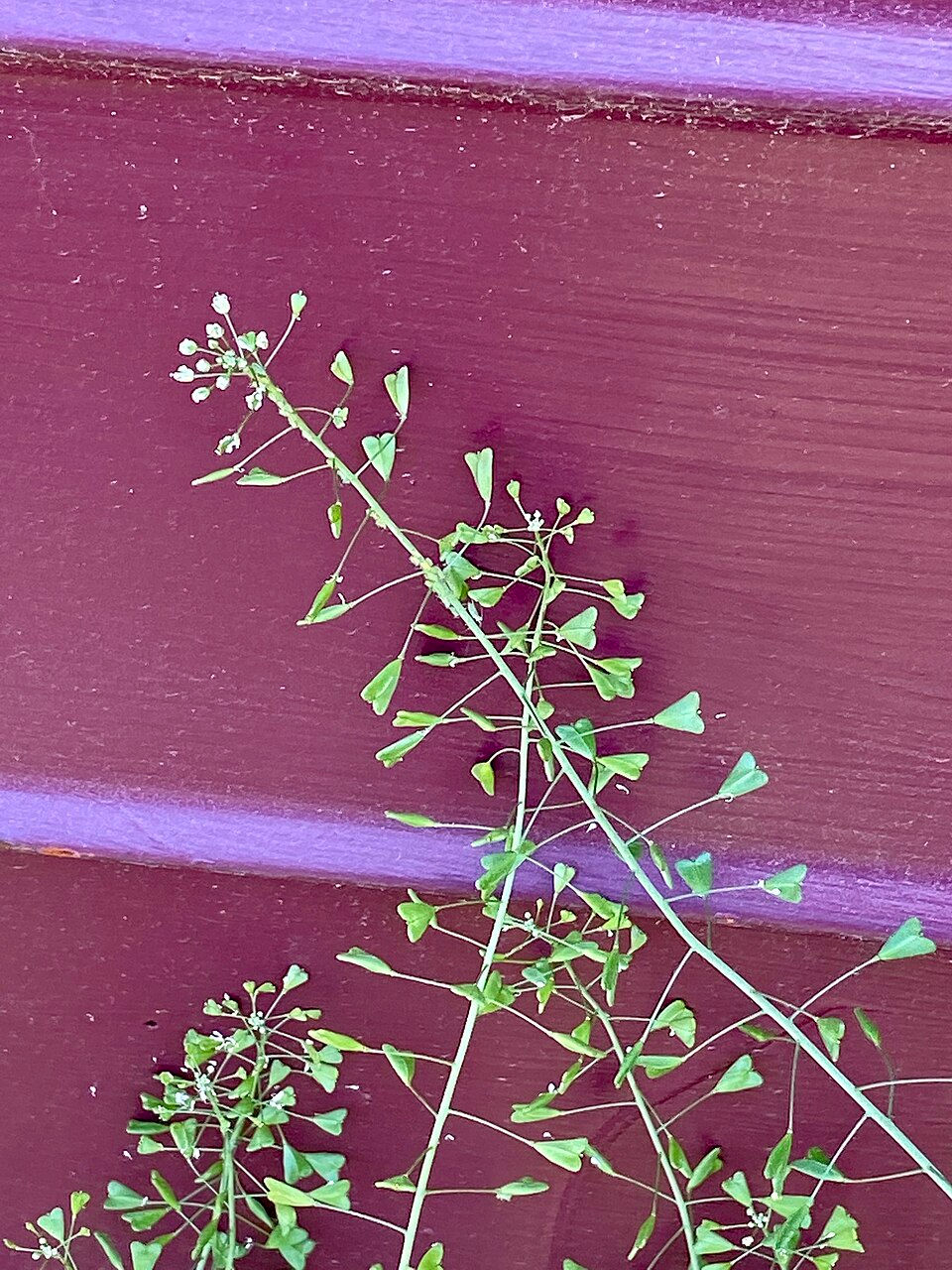
Characteristics: A small, erect, annual or biennial herb growing 10 to 50 cm tall. Starts growth as a dense basal rosette of deeply lobed, dandelion-like leaves (5 to 12 cm long). From late winter through early autumn, it sends up slender, wiry, slightly hairy flowering stems topped with tiny, 4-petaled white blossoms (2 to 4 mm wide). As flowers fade, they quickly produce the plant's most iconic feature: flat, triangular to heart-shaped seed pods (silicles, 4 to 9 mm long) resembling old-fashioned leather pouches carried by shepherds.
Pros & Cons
Pros
Nutrient-Dense Edible Wild Green: Young basal leaves harvested before flowering have a pleasant, slightly peppery mustard flavor, packed with vitamins A, C, K, calcium, and antioxidants.
Exceptional Environmental Resilience: Thrives effortlessly in nutrient-poor, dry, compacted, or heavy soils where delicate ornamental plants fail.
Medicinal & Herbal History: Widely documented in traditional European and Asian medicine for its natural astringent and hemostatic (blood-clotting support) properties.
Ecosystem Pioneer & Dynamic Accumulator: Fast growth cycle taproots help break up compacted topsoil and cycle trace minerals in disturbed soils.
Self-Sustaining Wild Pollinator Resource: Provides an early-season nectar and pollen source for tiny solitary bees, hoverflies, and beneficial micro-insects.
Cons
Prolific Self-Seeder: A single plant can produce several thousand seeds per season; can become persistent in cultivated vegetable plots or manicured lawns.
Unobtrusive / Weedy Appearance: Lacks dramatic floral impact compared to traditional flowering perennials; strictly a wild, functional, or pioneer plant.
Short Lifecycle: Dries up and sets seed rapidly in hot, dry mid-summer weather, requiring removal if neatness is preferred.
Field Performance & Care Profile
Light Requirement: Full sun to partial shade (3 to 6+ hours of light daily). Highly adaptable to varying light conditions.
Cold Hardiness: Extremely cold-hardy annual/biennial (USDA Hardiness Zones 2a–11b). Overwinters easily as a basal rosette under snow cover and deep frosts down to -30°C (-22°F).
Heat & Drought Tolerance: High. Can complete its lifecycle in dry spring conditions, but goes dormant/dries up under prolonged extreme summer drought.
Soil Requirement: Extremely unpicky. Performs well in sandy loam, rocky gravel, poor clay, and compacted soils across a broad pH range (5.0 to 8.0).
Root Structure: Slender, tough taproot system that penetrates tight soils.
Height & Spread: Basal rosette spreads 10 to 20 cm wide; flowering stem reaches 15 to 50 cm in height.
Watering: Very Low. Relies entirely on ambient rainfall. Requires zero supplemental irrigation in natural wild or xeriscaped settings.
Regional Adaptability:
Global / Mediterranean / Anatolia: Spontaneous pioneer weed in meadows, olive groves, vineyard margins, dry fields, and disturbed urban soil nationwide.
Lifespan: Annual or overwintering biennial.
Flower Color: Tiny pure white 4-petaled blossoms.
Blooming Period: Early spring to late autumn (March to October; year-round in mild winter climates).
Foliage Status: Herbaceous rosette.
Difficulty Level: Extremely Easy (grows effortlessly without human intervention).

Propagation Methods
Direct Seed Sowing: Scatter seeds onto bare or lightly raked soil in early spring or autumn. Seeds require light to germinate; lightly press into topsoil without burying deeply. Germinates quickly within 5 to 10 days at 10°C–20°C (50°F–68°F).
Natural Self-Seeding: Once established, seed pods rupture when dry, spreading seeds via wind and soil contact for perpetual seasonal re-emergence.
Pro Care Tips & Secrets
Harvest Young Rosettes for Culinary Use: Gather basal leaves in late winter or early spring before the central flower stalk pushes up. Add raw to wild salads, fry with garlic and olive oil, or use in traditional herb pies (otlu börek) alongside wild dandelion and sorrel.
Control Spread by Deadheading Before Pods Dry: To keep Capsella bursa-pastoris from populating adjacent garden beds, trim flowering stalks just as the heart-shaped pods form green, before they dry out and split open to release seeds.
Utilize as a Natural Indicator Plant: High density of shepherd's purse on uncultivated land naturally signals disturbed or recently exposed topsoil with moderate nitrogen levels.
Tags: Annual | Wild-Edible | Brassicaceae | Drought-Tolerant | Cold-Hardy | Pioneer-Plant | Medicinal-Herb | Low-Maintenance


Comments