


Silver Dollar Tree (Eucalyptus cinerea): Aromatic Silver-Blue Architectural Foliage

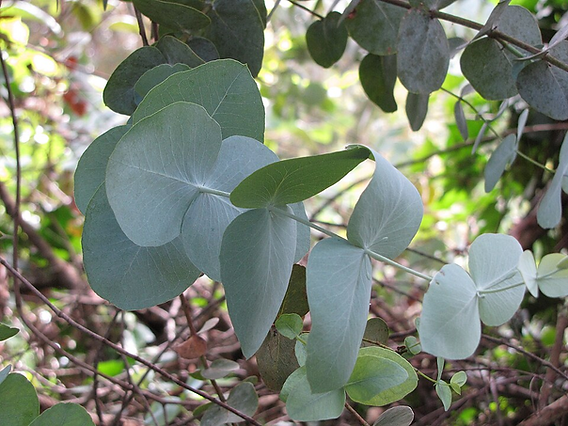
Native to the cool, rocky hillsides and dry woodlands of Southeastern Australia (principally New South Wales and Victoria), Eucalyptus cinerea—commonly known as the Silver Dollar Tree or Argyle Apple—is a fast-growing, highly ornamental broadleaf evergreen tree or large shrub. Celebrated for its unique, powdery silver-blue juvenile leaves, refreshing eucalyptus aroma, high drought tolerance, and immense popularity in floral design, it serves as a striking focal point in modern water-wise and Mediterranean landscapes.
Alternative Names: Silver Dollar Tree, Argyle Apple, Mealy Stringybark, Silver Dollar Gum, Gümüşi Okaliptüs (Turkish)
Introduction
Botanical Name: Eucalyptus cinerea (Myrtaceae / Myrtle Family) — closely related to bottlebrush (Callistemon), myrtle (Myrtus), and tea tree (Leptospermum).
Native Habitat: Southeastern Australia (New South Wales, Victoria). Naturally inhabits poor, sandy, gravelly, and well-drained tableland soils, adapting exceptionally well to exposed sites, poor fertility, and warm summer conditions.
Characteristics: A vigorous, upright evergreen tree growing 8 to 15 meters tall if unpruned, but frequently maintained as a 2 to 4-meter multi-stemmed shrub in garden settings. Displays dimorphic foliage: young juvenile leaves are rounded, coin-shaped, stem-clasping, and covered in a waxy silver-blue glaucous coating. As the tree matures, adult leaves become lance-shaped and dull grey-green. In late spring and early summer, small clusters of fluffy cream-white flowers open along the branch axils.
Pros & Cons
Pros
Striking Silver-Blue Color Contrast: Provides unmatched texture and cool silver-blue coloration that elevates surrounding green and purple garden foliage.
Aromatic Foliage: Crushed leaves release an intense, fresh eucalyptus essential oil fragrance.
High Cut-Flower Value: Stems hold their silver-blue color and structural shape for weeks in fresh or dried floral arrangements.
Rapid Growth & High Drought Resistance: Establishes quickly and copes effortlessly with hot, dry summer conditions once deep roots settle.
Cons
Vigorous Growth Rate: Can quickly outgrow small garden spaces if not routinely pruned or coppiced.
Heavy Root Competition: Deep, thirsty root systems can outcompete smaller, delicate companion plants for soil moisture and nutrients.
Frost Sensitivity at Extremes: Sustains foliage and stem damage during prolonged freezes below -10°C to -12°C (10°F–14°F).

Silver doller plant https://commons.wikimedia.org/wiki/User:Rameshng
Field Performance & Care Profile
Light Requirement: Full Sun (Requires 6+ hours of direct daily sunlight to achieve maximum silver-blue leaf intensity and strong branching).
Cold Hardiness: Moderate to High (USDA Hardiness Zones 8a–11b). Hardy down to -10°C (14°F). Resprouts vigorously from the lignotuber/base if top growth suffers freeze damage.
Heat & Drought Tolerance: High (Xeric). Thrives in hot, dry summer climates with minimal water needs once established.
Soil Requirement: Sharp drainage is essential. Prefers acidic to neutral sandy, gravelly, or loam soils (pH 5.5 - 7.0). Dislikes waterlogged clay or excessively alkaline/calcareous soils.
Root Structure: Deep taproot combined with a wide, soil-binding woody root network.
Height & Spread: 8 to 15 meters tall as a full tree; easily maintained at 2 to 4 meters tall and 2 to 3 meters wide via annual pruning.
Watering: Low to Moderate. Water regularly during the first growing season; once established, supplemental irrigation is needed only during extreme droughts.
Regional Adaptability:
Mediterranean & Coastal Belts: Outstanding performer across California, the Mediterranean Basin, South Africa, and coastal Australia.
Cool Temperate Zones: Grown successfully in sheltered sunny borders or cultivated in large patio containers.
Lifespan: Long-lived woody evergreen tree (50+ years).
Flower Color: Creamy white.
Bloom Period: Late Spring to Early Summer (May – July).
Difficulty Level: Very Easy (low-maintenance under full sun and fast-draining soil).

Populer Kültür Çeşitleri (Cultivars)
Eucalyptus cinerea 'Silver Dollar': The iconic landscape selection, prized for retaining its desirable rounded, silver-blue juvenile leaves for extended periods.
Eucalyptus cinerea 'Pendula': A distinct weeping selection featuring arching branches that cascade downwards gracefully.
Propagation Methods
Seed Propagation (Primary Method): Sow fine seeds in early spring on the surface of a sandy, well-draining peat-perlite mix. Maintain temperatures at 20–22°C (68–72°F); seeds germinate within 2 to 3 weeks. (Cuttings root with great difficulty, making seed sowing the standard propagation method).
Pro Care Tips & Secrets
Coppice Annually for Round Silver Leaves: If you prefer the coin-shaped juvenile leaves used in floral design, cut the plant back hard to 20–30 cm above the ground in early spring every 1–2 years. This forces a flush of fresh, silver-blue rounded stems from the base.
Avoid Waterlogging at the Crown: Plant on a slight mound or slope to ensure water drains away from the root crown during heavy winter rains.
Pair with Dark Purple & Burgundy Shrubs: Create high-contrast visual interest by placing the silver-blue foliage of Eucalyptus cinerea alongside dark purple companions like Physocarpus opulifolius 'Diabolo', Berberis thunbergii, or Loropetalum chinense.
Tags: Tree | Evergreen | Mediterranean Garden | Drought-Tolerant | Silver Foliage | Cut-Flower | Fragrant Plant | Low-Maintenance


Comments