


Sky-Blue Scrambling Shrub: Cape Leadwort (Plumbago auriculata)

An exceptionally versatile, heat-loving evergreen to semi-evergreen scrambling shrub celebrated for its rare sky-blue blossoms, endless summer bloom cycle, and outstanding adaptability for hedging, slope coverage, trellis training, and container landscaping across Mediterranean and warm-temperate microclimates.
Alternative Names: Cape Leadwort, Blue Plumbago, Cape Plumbago, Sky Flower, Dentelaire du Cap (French), Kap-Bleiwurz (German), Plumbago del Cabo / Celestina (Spanish), Mavi Yasemin / Kurşun Otu / Mavi Çalı (Turkish)
Introduction
Botanical Name: Plumbago auriculata (syn. Plumbago capensis, Family Plumbaginaceae) — closely related to leadwort (Ceratostigma) and sea lavender (Limonium).
Native Habitat: Native to South Africa (primarily the Eastern Cape and KwaZulu-Natal). Naturally inhabits subtropical river valleys, dry thickets, sunny scrublands, and rocky hillsides.
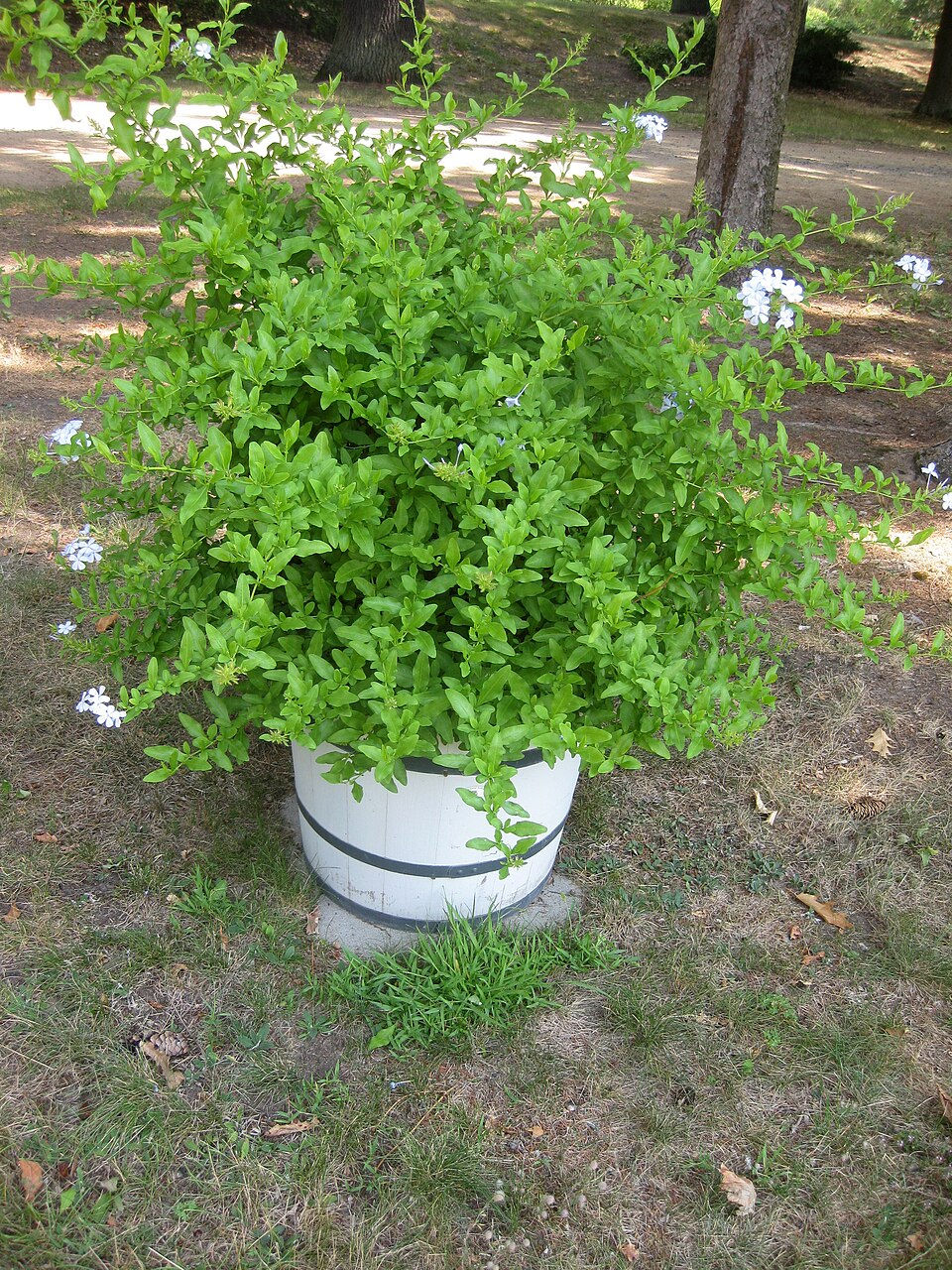
Characteristics: A fast-growing, mounding, scrambling evergreen shrub growing 1.5 to 3 meters tall (and up to 4 to 5 meters when trained as a climber or supported against a wall). Produces arching, thin, light green stems clad in thin, spatulate to oblong bright green leaves (3 to 7 cm long) with small ear-like stipules at the base. From late spring through late autumn (and year-round in frost-free regions), it is smothered in terminal, phlox-like clusters of 5-petaled, electric sky-blue flowers (2 to 2.5 cm wide). The tubular calyces surrounding the flowers are coated in sticky, glandular hairs that readily cling to surfaces and clothes.
Pros & Cons
Pros
Rare Electric Sky-Blue Floral Color: Delivers a cool blue hue that is exceptionally rare among heat-tolerant summer-blooming shrubs.
Prolific & Continuous Blooming: Flowers relentlessly from late spring until the first heavy autumn frost, producing hundreds of floral clusters per plant.
Exceptional Heat & Drought Tolerance: Performs effortlessly in baking summer sun, urban heat islands, and poor soils once root systems mature.
Versatile Landscape Habits: Functions as an arching standalone shrub, a informal flowering hedge, a cascading slope cover, or a trained trellis climber.
Pest, Deer, & Disease Resistant: Tough foliage and glandular stems deter deer, rabbits, and most common garden pests.
Cons
Tender to Sustained Hard Freezes: Active top growth suffers damage when temperatures dip below -3°C (26°F); hard frosts kill stems back to the ground.
Flop & Scramble Tendency: Lacks self-attaching tendrils or holdfasts; requires manual tying or sturdy support structures to grow vertically rather than flopping outward.
Sticky Calyces & Flower Litter: Spent floral clusters are sticky and adhere to gardening gloves, pets, and clothing, requiring clean-up along paved walkways.

Field Performance & Care Profile
Light Requirement: Full sun to light partial shade (6+ hours of direct sunlight daily). Full sun exposure yields the most vibrant blue flowers and tightest canopy density.
Cold Hardiness: Moderately cold-hardy tender perennial/shrub (USDA Hardiness Zones 8b–11b outdoor perennial; Zones 3a–8a indoor/container specimen). Established root crowns survive winter drops down to -7°C (20°F), quickly re-sprouting from the roots in spring even if top growth freezes.
Heat & Drought Tolerance: High to Exceptional. Handles summer heat above 38°C (100°F) and dry soil stretches with minimal stress.
Soil Requirement: Highly adaptable. Prefers well-draining sandy loam, clay loam, or rocky soils across a wide pH range (5.5 to 7.8). Tolerates lean, low-nutrient soils.
Root Structure: Deep woody central root system accompanied by spreading lateral root suckers.
Height & Spread: Grows 1.5 to 3 meters tall (up to 4–5 meters when supported vertically) with a horizontal spread of 2 to 3 meters.
Watering: Low to Moderate. Requires regular baseline watering during its first season. Once established, it is remarkably drought-tolerant; allow the top 5 cm of soil to dry completely between waterings.
Regional Adaptability:
North America: Widespread landscape fixture across California, the Southwest, Texas, and Florida (USDA Zones 8b–11); grown as a large summer container crop in northern zones.
Europe & Middle East: Extremely popular across Mediterranean Europe, the Aegean, Anatolia, and the Levant along terrace walls, coastal gardens, and sunny courtyards.
Lifespan: Long-lived woody perennial shrub (20+ years).
Flower Color: Sky-blue to powder-blue (pure white forms like 'Alba' and deep cobalt-blue cultivars like 'Royal Cape' also exist).
Blooming Period: Late spring to late autumn (May to November; year-round in frost-free subtropical climates).
Foliage Status: Broadleaf evergreen in frost-free zones; semi-evergreen or herbaceous perennial (dying back to roots) in Zone 8 winter climates.
Difficulty Level: Very Easy (low maintenance; highly rewarding).
Propagation Methods
Semi-Hardwood Stem Cuttings (Primary Method): Take 10–15 cm tip cuttings in mid-to-late summer from non-flowering shoots. Dip in rooting hormone and plant into a moist perlite-sand mix. Roots establish in 3 to 4 weeks.
Root Sucker / Clump Division: Sever naturally occurring root suckers from around the outer base of an established bush in early spring, keeping attached roots intact, and transplant directly.
Ground Layering: Bend a flexible lower branch down to touch moist topsoil, nick the bark, pin with a wire staple, and cover with 3–5 cm of soil. Detach the rooted clone in autumn or spring.
Pro Care Tips & Secrets
Prune Hard in Late Winter / Early Spring: Plumbago auriculata flowers exclusively on new wood produced during the current season. Cut back overgrown or frost-damaged stems by one-half to two-thirds in late winter. Hard pruning stimulates vigorous new flowering stems and prevents the interior of the shrub from becoming woody and bare.
Deadhead or Shear After Major Bloom Waves: Lightly shear spent flower heads in mid-summer. Removing mature seed heads stops energy expenditure on sticky seeds and triggers a massive secondary bloom wave within 2 to 3 weeks.
Train as a Vertical Vine with Wire Ties: To create an eye-catching blue wall or trellis display, secure the main arching stems loosely to a wall trellis or wire mesh using soft plant ties every 30 cm, tucking in side shoots as they grow.
Tags: Perennial | Shrub | Plumbaginaceae | Drought-Tolerant | Heat-Tolerant | Slope-Stabilization | Container-Gardening | Low-Maintenance


Comments