


Taurus Mountain Conifer: Cilician Fir Tree (Abies cilicica)

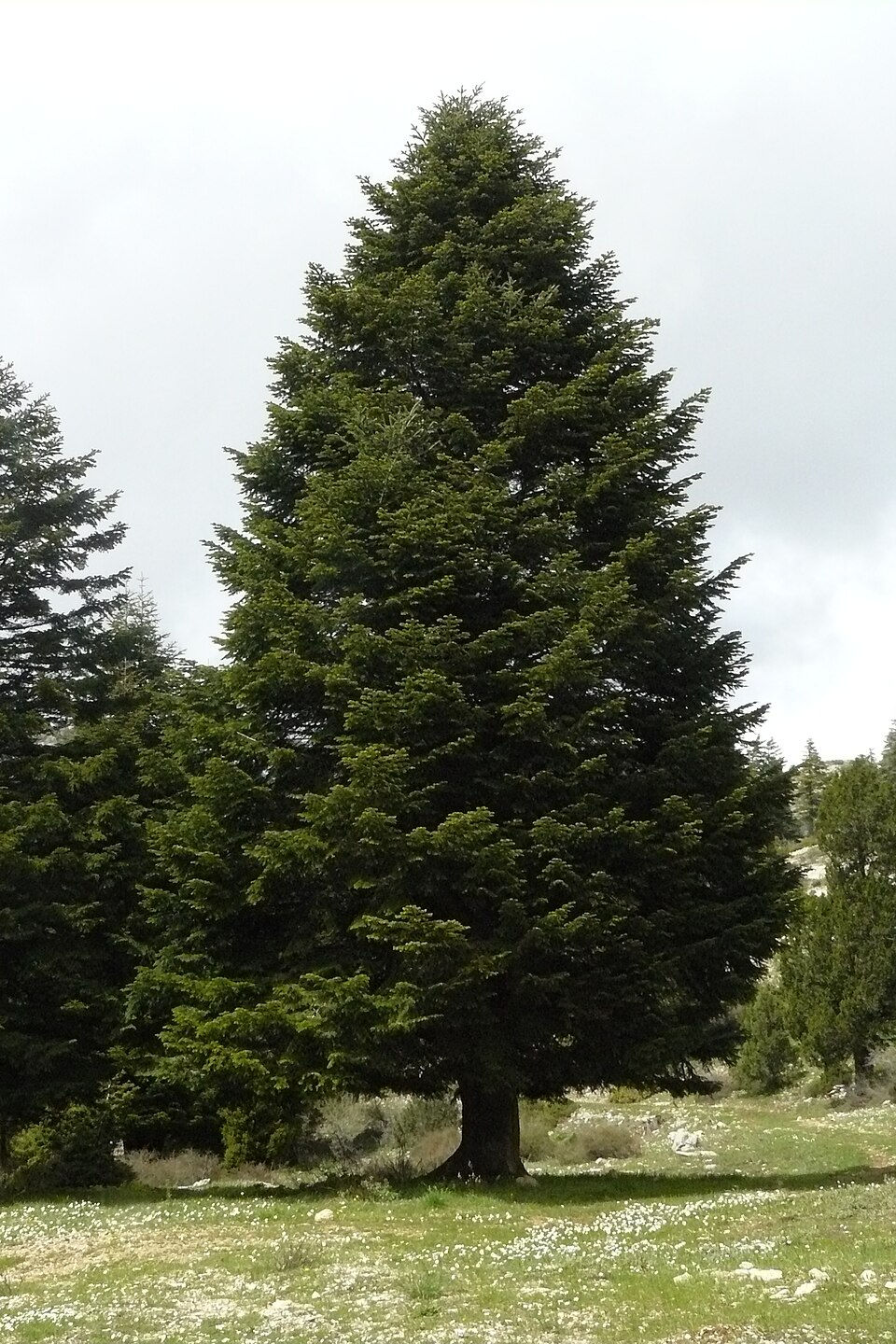
An majestic, drought-resilient evergreen mountain conifer native to the rugged limestone peaks of Anatolia and the Levant, celebrated for its narrow spire-like canopy, glossy dark green aromatic needles, high heat and lime tolerance, and exceptional historical and ecological significance.
Alternative Names: Cilician Fir, Taurus Fir, Syrian Fir, Sapin de Cilicie (French), Cilicische Tanne (German), Abeto de Cilicia (Spanish), Toros Göknarı / Lübnan Göknarı / Akdeniz Göknarı (Turkish)
Introduction
Botanical Name: Abies cilicica (Family Pinaceae) — a true fir species closely related to Nordmann fir (Abies nordmanniana) and Spanish fir (Abies pinsapo).
Native Habitat: Native to the Eastern Mediterranean, primarily along the Taurus Mountains of Southern Turkey (Anatolia), Syria, and Lebanon. Naturally inhabits steep limestone slopes, mountain gorges, and rocky ridges at elevations between 1,000 and 2,000 meters, often co-existing with the Cedar of Lebanon (Cedrus libani) and Calabrian Pine (Pinus brutia).
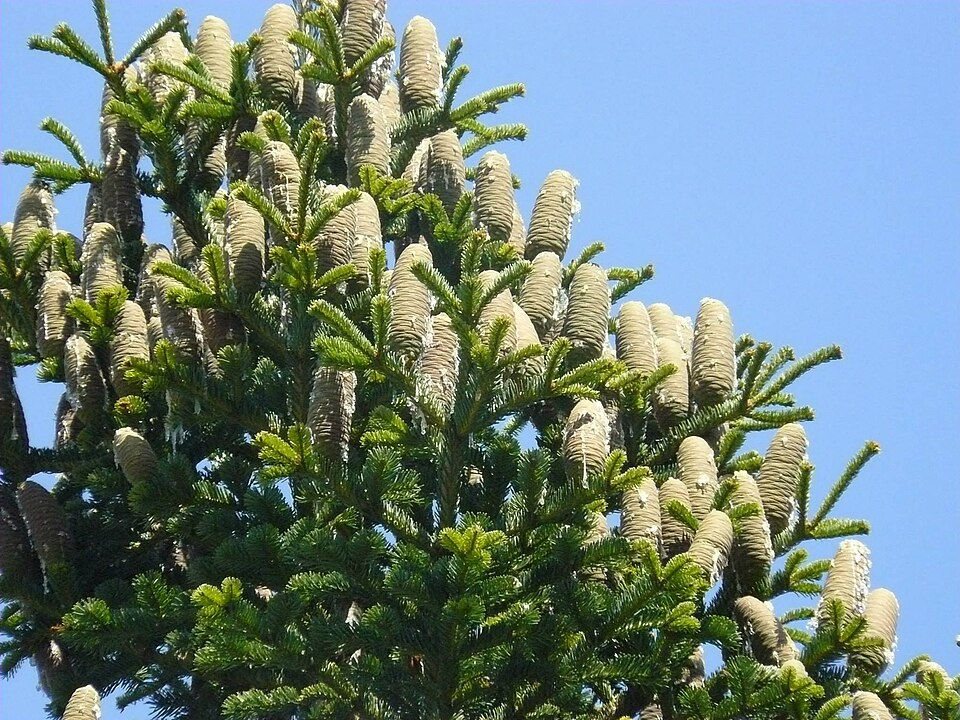
Characteristics: A medium-to-large, slow-growing evergreen conifer reaching 20 to 30 meters in height with a trunk diameter of up to 1 to 1.5 meters. Forms a narrow, rigid, strictly symmetrical conical to columnar crown. Features linear, flattened, glossy dark green needles (1.5 to 3 cm long) with two silvery-white stomatal bands on the underside, arranged tightly in a comb-like pattern along yellow-brown shoots. In late spring, mature trees produce large, erect, cylindrical seed cones (15 to 30 cm long and 5 to 6 cm wide) that turn reddish-brown at maturity and disintegrate on the branch to scatter winged seeds in autumn.
Pros & Cons
Pros
Exceptional Lime & Alkaline Soil Adaptability: Unlike many acid-loving fir species, Abies cilicica thrives in high-pH, calcareous, and rocky limestone soils.
Superior Heat & Drought Resilience: One of the most drought- and heat-tolerant true firs in the world, adapted to dry, rainless Mediterranean summers.
Stately Architectural Form: Retains a clean, formal, spire-like pyramidal silhouette that provides a striking vertical anchor in mountain and large-scale landscapes.
Extreme Wind & Cold Hardiness: Deeply rooted and structurally rigid, easily standing ground against harsh winter mountain gales and heavy snow loads.
Rich Native Ecological Value: Provides critical forest habitat, soil conservation along erosion-prone karst slopes, and aromatic resin value.
Cons
Slow Early Growth Rate: Establishes slowly during its first 3 to 5 years as it focuses energy on building a deep taproot system.
Unsuited for Saturated, Waterlogged Soils: Highly sensitive to standing water and poorly drained clay beds, which cause root rot.
Substantial Size at Maturity: Replaces significant horizontal and vertical volume; unsuited for compact urban gardens or tight residential borders.
Field Performance & Care Profile
Light Requirement: Full direct sunlight to light partial shade (6+ hours of direct sun daily). Young seedlings appreciate light shade, but mature trees demand full solar exposure for dense needle structure.
Cold Hardiness: Extremely cold-hardy conifer (USDA Hardiness Zones 5a–8b). Withstands severe mountain winter freezes down to -25°C (-13°F) without needle damage.
Heat & Drought Tolerance: High. Uniquely adapted among firs to hot summer temperatures (35°C–40°C) and extended dry spells, relying on deep root moisture reserves.
Soil Requirement: Highly adaptable to dry soils. Prefers well-draining, rocky, stony, sandy-clay, or limestone-rich soils (pH 6.5 to 8.2, neutral to highly alkaline). Intolerant of heavy, waterlogged, or compacted bog soils.
Root Structure: Deep, strong taproot accompanied by wide-anchoring lateral roots designed to lock into limestone rock crevices.
Height & Spread: Grows 20 to 30 meters tall with a narrow base spread of 4 to 7 meters.
Watering: Low to Moderate. Requires moderate baseline moisture during its first 2 seasons to anchor its taproot. Once established, it is remarkably drought-tolerant, needing virtually no supplemental summer irrigation.
Regional Adaptability:
Anatolia & Middle East: Native forest cornerstone along the Taurus mountain belt; exceptional performance across Mediterranean hinterlands, interior plateau slopes, and upland gardens.
Europe & North America: Grown in botanical collections, high-altitude parks, and Mediterranean-climate arboretums across Southern and Atlantic Europe and the Western US.
Lifespan: Very long-lived woody conifer (can live 300 to 500+ years).
Foliage / Needle Color: Glossy deep green above, silvery-cyan underneath.
Coning Period: Spring flowering; upright cones mature and disintegrate in autumn (September to November).
Foliage Status: Needleleaf evergreen.
Difficulty Level: Moderate (slow to start, but virtually maintenance-free once established in well-drained soil).

Propagation Methods
Seed Propagation (Primary Method): Collect mature cones in early autumn before they shatter on the tree. Extract seeds and cold-stratify them at 2°C–4°C for 30 to 60 days to break dormancy. Sow in well-draining, sandy-limestone substrate in spring. Germination takes 3 to 6 weeks.
Grafting: Side-veneer or apical grafting onto Abies cilicica or Abies nordmanniana rootstocks in late winter for specific selected forms or conservation cloning.
Pro Care Tips & Secrets
Ensure Flawless Deep Drainage at Planting: When planting Abies cilicica, avoid rich peat-heavy mixes that hold stagnant water. Incorporate crushed limestone, gravel, or coarse sand into the planting hole to mimic its native rocky mountain substrate.
Protect Young Seedlings from Intense Afternoon Scorch: While mature trees demand full sun, young 1-to-2-year-old saplings benefit from light dappled shade during their first summer to allow roots to establish without moisture stress.
Never Remove the Central Leader Stem: To preserve the iconic spire-like symmetry of the Cilician Fir, avoid pruning or damaging the main vertical leader shoot.
Tags: Evergreen | Conifer | Pinaceae | Cold-Hardy | Drought-Tolerant | Native-Plant | Architectural-Plant | Xeriscaping


Comments