


The Acid Chalice: Northern Highbush Blueberry (Vaccinium corymbosum)
- Athena

- Jul 7
- 6 min read
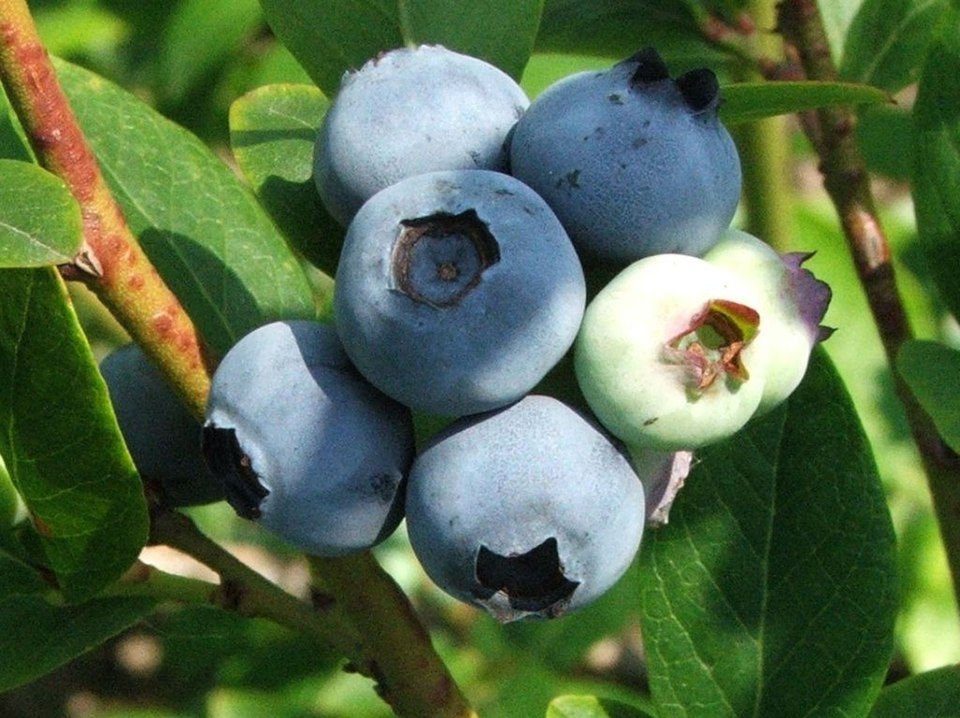
Stately, moisture-locked ericaceous mounds built for severe winter chills, dedicated peat matrices, and antioxidant-dense summer clusters.
Alternative Names: Northern Highbush Blueberry, Highbush Blueberry, Swamp Blueberry
Introduction
Botanical Name: Vaccinium corymbosum (Family Ericaceae)
Native Habitat: Native extensively across the acidic bogs, damp pine barrens, moist woodland margins, and low-lying swamps of eastern and northern North America. It evolved in highly specialized, saturated ecosystems characterized by an abundance of decaying organic matter, high water tables, and a near-complete absence of limestone or calcium carbonate. This distinct evolutionary history hardwires its absolute, uncompromised dependency on highly acidic soils and a symbiotic relationship with ericoid mycorrhizal fungi to absorb nutrients.
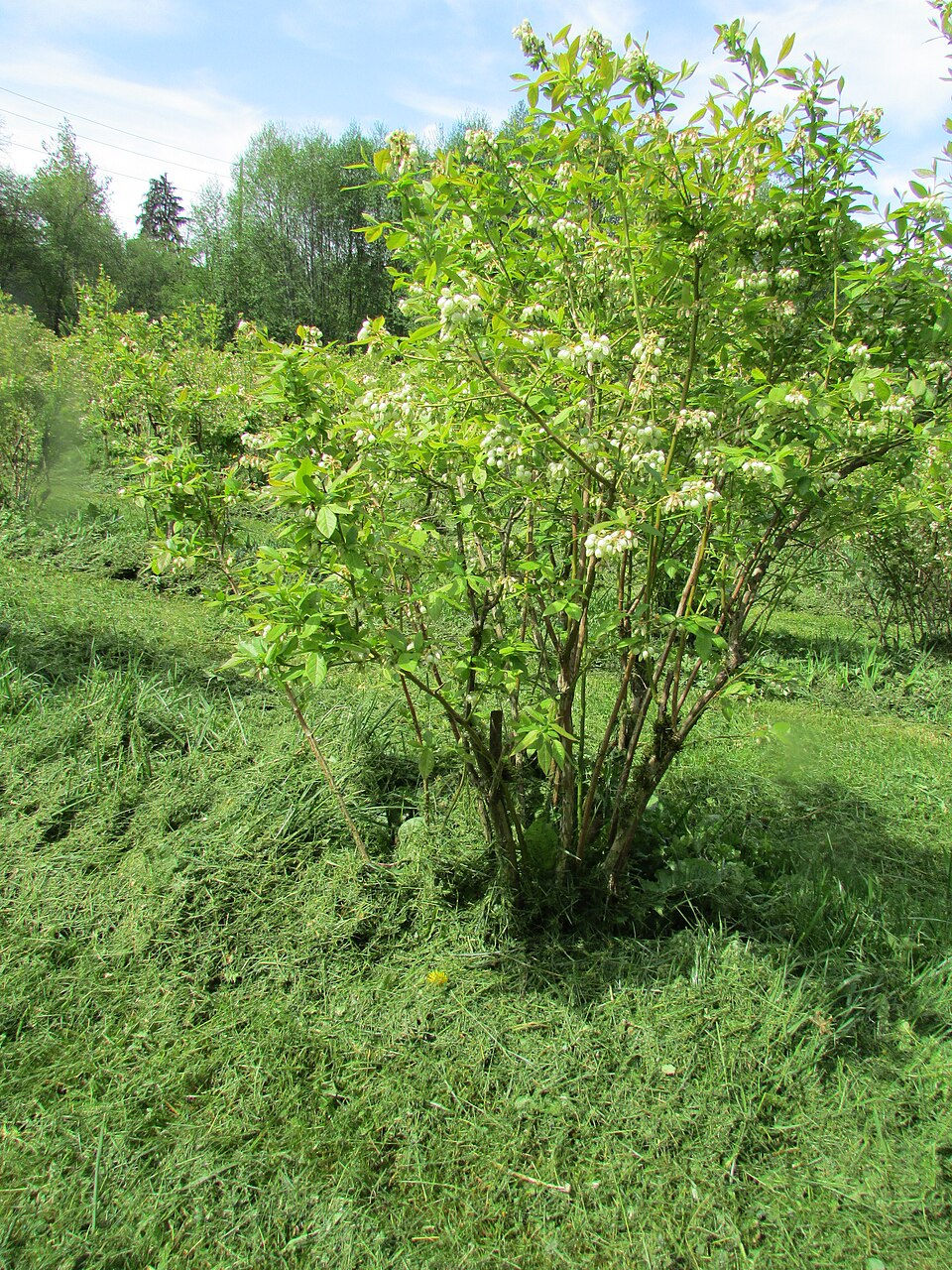
Characteristics: This is a robust, erect, multi-stemmed deciduous shrub that develops a dense, rounded, and structurally elegant architectural presence in the landscape. It features a flaky, reddish-brown bark that twists beautifully on mature, productive canes. The alternate, ovate leaves are a clean, glossy dark green throughout the growing season. In mid-spring, alongside the emerging foliage, the branches are heavily hung with dense, drooping clusters of cylindrical, inverted, bell-shaped flowers that look like delicate wax lanterns. These transition into tight clusters of spherical, glaucous-blue berries covered in a silvery, waxy bloom, packed with sweet-tart juice and high concentrations of anthocyanin pigments.
Pros
Elite Nutritional Value: Yields a high-volume, premium annual crop of berries widely celebrated for their extreme antioxidant density and exceptional fresh-eating quality.
Spectacular Multi-Season Aesthetics: Delivers exceptional landscape value, shifting from waxy white spring bells to rich blue summer fruits, culminating in a fiery, jaw-dropping crimson-scarlet foliage display in autumn.
Superb Cold Resilience: Immune to severe winter freezes, utilizing deep continental chills to properly reset its flowering hormones.
Compact Non-Invasive Framework: Operates on a tight, well-behaved root crown that expands predictably without throwing out aggressive, running wild suckers.
Cons
Absolute Zero Limestone Tolerance: Fails completely and experiences rapid, fatal iron chlorosis if planted in soils containing even trace amounts of active lime or high-pH groundwater.
Extremely Vulnerable Shallow Roots: The lack of true root hairs makes the plant exceptionally sensitive to even short spells of topsoil drying or root zone compaction.
Severe Bird Friction: The ripening blue clusters are a premier target for local bird populations, demanding physical netting infrastructure to secure a successful harvest.

Field Performance & Care Profile
Light Requirement: Full sun to partial shade. It achieves its absolute tightest cane structure, most vibrant autumn foliage color, and highest fruit sugar levels when exposed to a minimum of six hours of direct, unfiltered daily solar radiation. It tolerates light afternoon shade well, especially in regions with intense summer heat waves.
Cold Hardiness: Supreme. Fully dormant wood and vegetative buds easily withstand freezing ambient temperatures down to minus 25°C to minus 32°C (minus 13°F to minus 25°F) without suffering cell wall collapse. (RHS Hardiness Rating H7 / WHZ 4a-8b). It requires a substantial winter chilling investment (800 to 1000+ hours below 7°C) to break bud dormancy.
Heat Tolerance: Moderate. It struggles significantly in dry, baking, low-humidity air. While it handles summer air temperatures climbing up to 35°C (95°F), it demands a cool, heavily insulated root zone and consistent soil moisture to prevent its large leaves from scorching at the margins.
Soil Requirement: Highly selective and uncompromising. It demands an ultra-acidic, highly porous, organically rich, and perfectly aerated substrate with an absolute pH range of 4.5 to 5.2. It will suffer immediate nutrient lockout, leaf yellowing, and eventual death in standard neutral or alkaline limestone garden soils.
Root Structure: An exceptionally shallow, delicate, and fibrous capillary root network that completely lacks true root hairs, spreading laterally within the top 30 cm of soil and relying on high organic matter to draw moisture.
Height & Spread: Grows at a moderate rate into a substantial, multi-stemmed bush reaching 150 to 240 cm (5 to 8 feet) in vertical height, expanding horizontally into a well-behaved footprint of 120 to 180 cm (4 to 6 feet) wide.
Watering: High and continuous moisture needs. The shallow, hairless root network cannot tolerate drying out. The soil must remain continuously damp—resembling a wrung-out sponge—requiring deep, regular irrigation with collected rainwater or acidified water. Tap water rich in lime will rapidly destroy the necessary soil chemistry.
Regional Adaptability: Highly successful across Northern and Central Europe (RHS Hardiness Rating H7) and throughout the northern, Pacific Northwestern, and mid-Atlantic United States (USDA Hardiness Zones 4 through 8). It fails completely in the hot, low-chill subtropical plains or arid Mediterranean belts unless heavily modified in specialized acidic container systems.
Lifespan: Long-lived perennial fruiting asset. When established in a proper, uncompromised acidic matrix, a healthy highbush blueberry bush will maintain high structural vigor, annual cane renewal, and heavy berry production for 30 to 50+ years.
Flower Color: Delicate snow-white to pale blush pink, waxy, cylindrical bells held in drooping, elegant clusters.
Blooming Period: Mid-spring (typically peaking from late April through May depending heavily on the timing of regional winter chill breakage).
Foliage Status: Strictly deciduous. The smooth, dark green leaves provide a clean summer canopy, transform into a spectacular display of blazing orange, bronze, and crimson in October, and drop cleanly to reveal the reddish winter wood.
Difficulty Level: Advanced. It requires strict, ongoing monitoring of soil pH chemistry, dedicated water sourcing, and specific pruning tactics, making it a rewarding challenge for dedicated growers.
Propagation Methods
Softwood Cuttings (The Early Summer Clean-Clone Route): Select vigorous, current-season green shoots in early summer (June) when the stems are flexible but snap cleanly when bent. Cut 10 to 15 cm segments just below a leaf node, removing the lower foliage while keeping the top two leaves intact. Dip the base into a moderate-strength liquid rooting hormone. Insert the cuttings into a highly specialized, damp substrate composed of fifty percent sterile peat moss and fifty percent coarse perlite grit. Place the trays under bright, indirect shade beneath a clear humi-dome. Maintain high humidity and steady bottom heat (21°C to 23°C); independent root networks will lock into the peat within 6 to 8 weeks.
Mound Layering / Stooling (The Low-Stress Route): In early spring, cut a mature, healthy low-growing branch back aggressively to stimulate an explosion of fresh, flexible vegetative shoots from the base. Once these new green shoots reach 20 cm in height, build a massive, 15 cm deep mound of pure, damp peat moss and aged pine sawdust directly over the crown of the plant, burying the lower half of the shoots. Keep this mound continuously moist throughout the summer. By autumn, adventitious roots will erupt from the buried nodes of each shoot. In late winter, dismantle the mound, cut the rooted stems away from the mother crown, and pot them up individually.
Pro Care Tips & Secrets
To avoid the sudden stunted growth and pale yellow leaf blanching caused by lime-induced iron chlorosis, you must never irrigate your blueberries with standard municipal tap water or well water drawn from limestone aquifers. Hard water is packed with calcium carbonate, which acts as a chemical wedge that rapidly drives the soil pH up into neutral territory, rendering the iron in the ground completely insoluble to the hairless roots. Instead, establish a dedicated rainwater harvesting system to provide naturally pure, soft water. If rainwater runs dry during mid-summer droughts, you must actively acidify your backup water line by mixing a precise dose of organic citric acid or commercial horticultural vinegar into your irrigation tanks to keep the root matrix locked below a pH of 5.2.
If your young blueberry bushes look incredibly lush but tend to grow sparse, leggy canes that flop outward under the weight of summer storms, you must completely banish the use of quick-release synthetic garden fertilizers or composts derived from animal manures. These amendments are highly alkaline and contain nitrates that slow down the plant's unique metabolic processes. Instead, nourish the ericaceous root zone by applying a clean, slow-release elemental sulfur powder every autumn, paired with an exclusive spring feeding of ammonium sulfate or organic cottonseed meal. This selective feeding keeps the soil matrix highly acidic while stimulating tough, wiry wood that can support heavy berry clusters without splitting.
To maintain a highly productive, rejuvenated bush wrapped in massive berries rather than a tangled cage of small, woody twigs, you must execute a strict "Cane Renovation" pruning routine every winter. Highbush blueberries produce their premium, highest-quality fruit clusters on thick woody canes that are between two and five years old. Any cane that crosses into its sixth year becomes highly wrinkled, grey, and structurally inefficient, producing tiny fruits and blocking sunlight from the interior. While the bush is dormant in February, use sharp loppers to cleanly slice the oldest, greyest canes—roughly twenty percent of the total canopy—all the way down to the ground burl line. This deep cutting breaks apical dominance, forcing the crown to throw out a fresh crop of vigorous, ruby-red primocanes that will secure your harvest for the next half-decade.
Tags: Deciduous-Shrub | Acid-Lover | Moisture-Lover | Cold-Hardy | Autumn-Color | Edible-Berry


Comments