


The Ancient Anchor: Olive (Olea europaea)


Sculptural, silver-glinted evergreen icons built for blazing solar radiation, lean limestone screes, and elite drought-resilient oil yields.
Alternative Names: Olive, Common Olive, Olive Tree, Zeytin
Introduction
Botanical Name: Olea europaea (Family Oleaceae)
Native Habitat: Native to the coastal basins, rocky limestone crags, and sun-baked hillsides bordering the Mediterranean Sea, North Africa, and Western Asia. It evolved under a distinct climatic pattern of long, scorching, completely dry summers and short, mild winter windows. This environment hardwired its biological capacity to thrive in nutrient-poor, high-pH calcareous soils and survive extreme moisture deficits using specialized silver foliage adaptations.
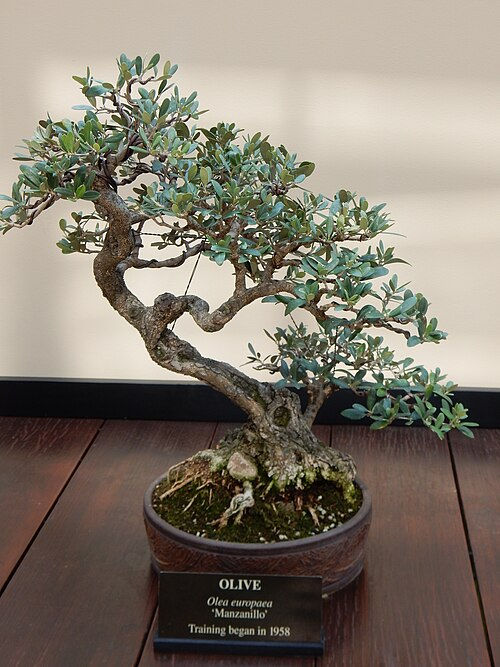
Characteristics: This is a slow-growing, multi-stemmed evergreen tree that delivers an unmatched structural and sculptural presence to the landscape. It features a short, thick trunk that becomes spectacularly gnarled, twisted, and hollowed with extreme age. The opposite, oblong, leathery leaves showcase a dark grey-green upper surface and a brilliant silver-scaled underside that reflects intense sunlight and reduces transpiration. In late spring, it pushes out dense axillary clusters of tiny, creamy-white flowers that release a light, herbaceous scent. These give way to small, green, oil-rich drupes (olives) that slowly ripen to a glossy deep purple or black by autumn.
Pros
Legendary Longevity and Structural Beauty: Becomes a permanent, living sculpture that increases in artistic and material value with every passing decade, easily living for centuries.
Elite Drought Hardiness: One of the most climate-resilient trees on earth, maintaining a dense evergreen canopy through prolonged, blisteringly dry summer spells.
Superb Calcareous Limestone Compatibility: Displays an absolute biological affinity for lean, high-pH, chalky, and stony grounds that cause nutrient lockout in other fruit trees.
High-Value Crop Yield: Produces a heavy, versatile annual harvest of olives packed with antioxidant-rich monounsaturated essential oils.
Cons
Severe Waterlogging Vulnerability: Possesses zero tolerance for heavy, compacted, poorly drained soils; standing winter water triggers rapid root asphyxiation and fatal root rot.
High Fruit Litter Friction: Dropping unharvested mature black fruits can stain fine decorative stone paths, timber decking, and gravel borders.
Late-Spring Frost Sensitivity: While the wood handles solid winter cold, a sudden sharp freeze during the late-spring flowering window can completely destroy the year's flower buds.
Field Performance & Care Profile
Light Requirement: Absolute full, unrestricted sun. It demands a minimum of six to eight hours of direct, unfiltered daily solar radiation. Any amount of sustained shade or overhead canopy crowding causes sparse, leggy branching, leaf drop, and completely halts flower bud formation.
Cold Hardiness: Moderately hardy perennial timber. It handles short, sharp temperature drops down to minus 10°C to minus 12°C (14°F to 10°F) flawlessly when fully dormant. Sustained, severe continental freezes crossing below minus 15°C (5°F) will cause bark splitting, leaf scorch, and major canopy dieback.
Heat Tolerance: Supreme. Shrugs off intense, baking ambient air temperatures climbing up to 40°C to 45°C (104°F to 113°F) with absolute ease, continuing to expand its fruit without showing signs of stress.
Soil Requirement: Thrives effortlessly in poor, sandy, gravelly, or chalky mineral mediums. It exhibits a stellar affinity for alkaline limestone soils with a high pH range of 6.5 to 8.5, demanding sharp internal drainage above all else.
Root Structure: A wide-spreading, highly shallow, and aggressive capillary root network concentrated in the top 60 cm of soil, supported by a broad, woody root crown (burl) that allows it to capture light summer rainfall instantly.
Height & Spread: Grows slowly to a mature height of 600 to 900 cm (20 to 30 feet), expanding horizontally into a beautifully rounded, open canopy footprint of 450 to 750 cm (15 to 25 feet) wide. It can be easily trained much lower via structural pruning.
Watering: Low water needs. Newly planted specimens require deep weekly watering for the first two seasons to establish their root radius. Once established, they survive perfectly on natural rainfall alone. A single deep soaking during the mid-summer fruit-swelling window significantly enhances flesh size and prevents fruit shriveling.
Regional Adaptability: Highly successful across Southern Europe (Mediterranean Basin, RHS Hardiness Rating H4) and the southwestern United States (USDA Hardiness Zones 8 through 11). It fails to persist or set fruit in high-humidity tropical or severe sub-zero continental zones.
Lifespan: Centuries-grade tree asset. Individual specimens regularly maintain high vigor, canopy renewal, and fruit production for 100 to 500+ years if positioned in free-draining ground.
Flower Color: Small, inconspicuous cream-white to pale ivory blossoms held in short axillary panicles.
Blooming Period: Late spring to early summer (typically peaking heavily from May through June depending on regional spring warming trends).
Foliage Status: Strictly evergreen. The silver-backed, leathery grey-green leaves remain active, constant, and visually dominant throughout all twelve months of the year.
Difficulty Level: Beginner. It is exceptionally self-sufficient, requiring only basic seasonal pruning and sharp drainage to thrive for generations.
Propagation Methods
Semi-Hardwood Stem Cuttings (The Practical Multiplication Route): This is the most popular method for clonal production of specific cultivars (such as 'Ayvalık', 'Gemlik', or 'Frantoio'). In late summer, select strong, straight semi-hardwood shoots from the current season's growth. Cut 15 to 20 cm segments cleanly just below a leaf node, ensuring the cutting is roughly pencil-thick. Strip away the lower leaves, leaving only the top 2 pairs. Dip the wounded base into a high-concentration liquid rooting hormone. Insert the cuttings into a damp, sterile substrate of seventy percent perlite and thirty percent peat sand. Keep the trays under bright, filtered shade with constant bottom heat (22°C to 24°C) and high humidity; strong root systems will lock in within 6 to 8 weeks.
Trunk Suckers or Ovuli Extraction (The Traditional Fast Route): Look closely at the base of a mature, ancient olive tree trunk. The tree naturally builds thick, woody, swollen knobs called ovuli (brognes) near the soil line that are packed with latent buds and initial root nodes. In early spring, use a sharp, heavy chisel to cleanly slice away a piece of this woody growth containing active bark and a few basal shoots. Plant this chunk directly into a deep pot filled with clean limestone sand and fine gravel. The stored starches inside the wood will rapidly push out heavy feeder roots, creating a robust, independent tree matching the parent clone.

Pro Care Tips & Secrets
To prevent your olive tree from falling victim to destructive fungal leaf diseases like Olive Peacock Spot (Spilocaea oleagina) and to maximize fruit yield, you must execute a strict "Open Center" or "Polyconic Vase" structural prune every single spring. Directly after winter frost danger passes in March, use sharp loppers to completely clear out all the vertical water sprouts, crossing branches, and crowded twigs from the internal core of the canopy. The golden rule of olive pruning is that a bird should be able to fly cleanly through the center of the tree without touching its wings. This aggressive thinning allows sunlight to penetrate deep into the interior branches and maximizes wind speed through the foliage, drying morning dew within minutes and keeping the silver leaves perfectly clean and healthy.
Never plant olive trees in deeply dug garden beds amended with rich organic composts, damp peat moss, or heavy doses of high-nitrogen animal manures. High soil fertility combined with high nitrogen levels is completely counterproductive; it triggers an explosion of soft, watery, structural growth that lacks frost resistance, makes the tree highly attractive to olive fruit flies, and drastically reduces the concentration of premium polyphenols and oils within the fruit. Keep the soil lean, gravelly, unamended, and strictly mineral-dominant. If your soil is heavy clay, plant the tree on a raised mound or a terraced limestone bank to ensure gravity drains all excess moisture away from the shallow capillary root zone.
To eliminate the frustrating phenomenon of biennial bearing—where your olive tree produces a massive, overwhelming crop of tiny fruits one year, followed by a completely empty, barren season the next—you must practice aggressive early-summer fruit thinning. In June, roughly three to four weeks after blossom drop, evaluate the green fruit clusters. If the canopy is packed with heavy green berries, use long, fine-tipped snips to cut away roughly half of the developing fruits from the outer branch tips, leaving only 3 to 4 well-spaced olives per foot of twig. This early reduction prevents the tree from completely exhausting its internal carbohydrate and starch reserves, ensuring it retains enough energy to build fresh fruiting wood for a flawless, uniform harvest the following year.
Tags: Evergreen-Tree | Drought-Resilient | Full-Sun | Alkaline-Lover | Spring-Bloom | Oil-Yield


Comments