


The Blue Fescue & Architectural Ornamental Grass: Blue Fescue (Festuca glauca)


An iconic, drought-proof evergreen ornamental grass celebrated for its spherical cushion growth habit, striking silvery-blue fine foliage, high cold hardiness, and exceptional performance in rock gardens, gravel borders, and xeriscaped landscapes.
Alternative Names: Blue Fescue, Blue Silver Fescue, Elijah Blue Grass, Fétuque Bleue (French), Blau-Schwingel (German), Cañuela Azul (Spanish), Mavi Yumak Otu / Mavi Çim / Gümüşi Yumak Otu (Turkish)
Introduction
Botanical Name: Festuca glauca (syn. Festuca ovina var. glauca, Family Poaceae) — closely related to sheep's fescue (Festuca ovina) and tall fescue (Festuca arundinacea).
Native Habitat: Native to Southern and Central Europe (primarily the Pyrenees, Alps, and dry rocky slopes of France and Italy). Naturally inhabits sun-baked mountain ledges, dry gravelly meadows, and nutrient-poor sandy soils.
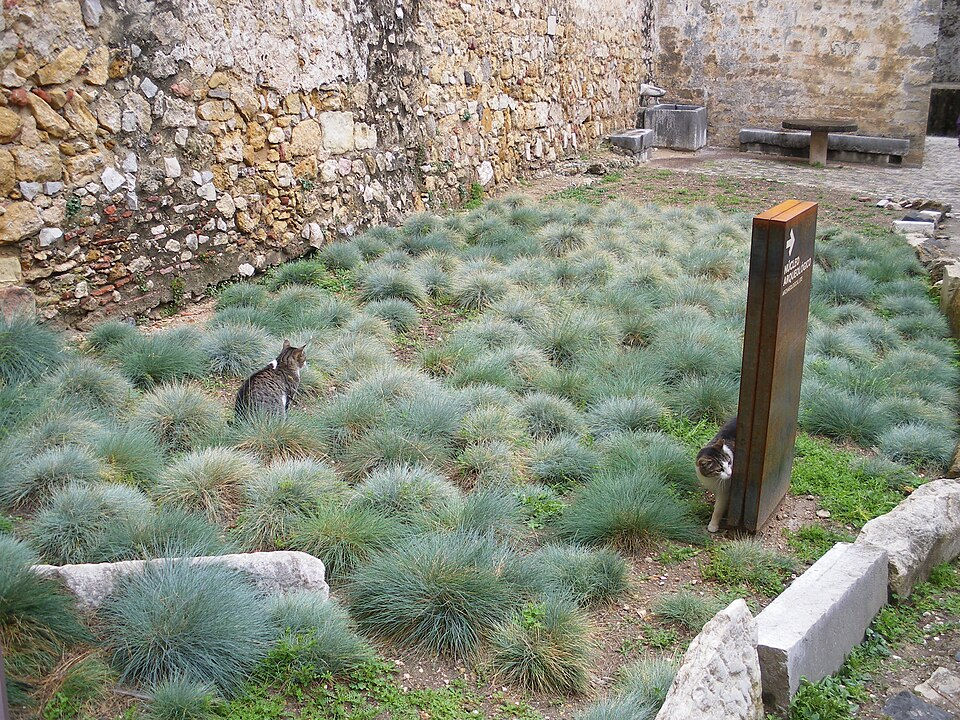
Characteristics: A low-growing, non-spreading, cool-season evergreen ornamental grass that forms neat, symmetrical, hemispherical cushions reaching 15 to 30 cm in height and spread. Produces ultra-fine, needle-like, rigid leaves (10 to 25 cm long) with a heavy natural waxy coating (epicuticular wax) that gives the foliage its signature steel-blue to silvery-cyan coloration. In early to mid-summer, it sends up light, feathery flower spikes (20 to 40 cm tall) that emerge with a blue-green tint and mature into tan, straw-colored seed heads.
Pros & Cons
Pros
Striking Architectural Blue Color: Delivers a cool silvery-blue accent that creates exceptional color contrast alongside green, purple, or dark-foliaged companion plants.
Exceptional Cold & Freeze Hardiness: Highly resilient to severe ground freezes and extreme winter conditions without losing its structural form.
High Drought & Poor-Soil Resistance: Engineered for low-water gardens; thrives in dry, gravelly, rocky, and low-nutrient soils once established.
Strict Non-Invasive Clump Habit: Forms tight, discrete mounds rather than spreading via aggressive underground rhizomes, making it perfect for structured borders and geometric patterns.
Low Maintenance & Pest Resilience: Naturally resistant to deer, rabbits, urban pollution, and common garden pests.
Cons
Center Dieback in Aging Clumps: The center of the mound tends to die out and turn brown after 2 to 3 years if not regularly divided.
Sensitivity to Heavy, Wet Soils: Highly susceptible to crown rot and fungal diseases in poorly drained, waterlogged, or heavily clay-packed soils.
Loss of Blue Pigmentation in Deep Shade: Shady conditions cause the foliage to turn dull green and lose its compact, spherical density.
Field Performance & Care Profile
Light Requirement: Full direct sunlight (6+ hours daily). Maximum solar radiation induces the thickest waxy epicuticular layer, producing the most intense steel-blue coloration.
Cold Hardiness: Exceptionally cold-hardy perennial grass (USDA Hardiness Zones 4a–9b). Roots and foliage easily withstand winter drop down to -30°C (-22°F).
Heat & Drought Tolerance: High. Retains its blue tone through hot summers up to 35°C–38°C (95°F–100°F) provided soils remain well-drained and non-soggy.
Soil Requirement: Prefers light, lean, gritty, fast-draining sandy or gravelly soils (pH 6.0 to 7.5). Severely intolerant of wet, boggy, or heavy clay soils with poor drainage.
Root Structure: Dense, shallow, fibrous root system held tightly within a compact central crown.
Height & Spread: Grows 15 to 30 cm tall ( foliage mound) with a matching spread of 20 to 35 cm (flower spikes reach up to 40 cm).
Watering: Low. Categorized in the Low Water Group. Needs basic baseline moisture to establish during its first 8–12 weeks, after which it requires very little supplemental summer irrigation. Allow soil to dry out completely between waterings.
Regional Adaptability:
North America: Extremely popular landscape choice across dry Western states, Midwest rock gardens, and temperate coastal regions (USDA Zones 4–9).
Europe & Middle East: Widespread across Mediterranean, Central, and Atlantic Europe in gravel borders, modern urban planters, and dry steppe gardens.
Lifespan: Herbaceous evergreen perennial (short-lived unless rejuvenated every 2 to 3 years via division).
Flower Color: Light blue-green emerging spikes, maturing to straw-yellow/tan.
Blooming Period: Early to mid-summer (June to July).
Foliage Status: Evergreen to semi-evergreen (retains blue color through mild-to-moderate winters; brown tips can be combed out in early spring).
Difficulty Level: Very Easy (provided drainage is fast and full sun is supplied).

Propagation Methods
Clump Division (Primary & Best Method): Dig up established 2-to-3-year-old mounds in early spring or early autumn. Slice the crown into 2 to 4 healthy sections using a sharp spade, discarding any dead center portions, and replant directly into well-draining soil.
Seed Sowing: Sow seeds on the surface of a light seed-starting mix in early spring. Keep lightly moist at 18°C–22°C (64°F–72°F); seedlings emerge in 7 to 14 days (note: seed-grown plants exhibit slight variation in blue color intensity).
Pro Care Tips & Secrets
Divide Every 2 to 3 Years to Prevent Center Rot: To keep Festuca glauca looking young, spherical, and vibrant blue, lift and divide the clumps every 2 to 3 spring seasons. Removing the dead central core rejuvenates fresh shoot growth from the outer rim.
Perform Early Spring "Combing" Instead of Shearing to Ground: Avoid cutting the entire mound down to ground level in winter. In early spring, simply comb through the foliage with gloved hands or a small hand rake to strip out dead winter blades, then lightly trim only dry foliage tips.
Maximize Blue Intensity with Lean, Unfertilized Gravel: Avoid applying high-nitrogen synthetic fertilizers or rich organic compost around Festuca glauca. Lean, low-nutrient soils and bright sunlight trigger higher wax production, turning the leaves intensely silvery-blue rather than soft green.
Tags: Perennial | Ornamental-Grass | Poaceae | Drought-Tolerant | Cold-Hardy | Rock-Garden | Low-Maintenance | Xeriscaping


Comments