


The C4 Biomass Engine: Corn / Maize (Zea mays)

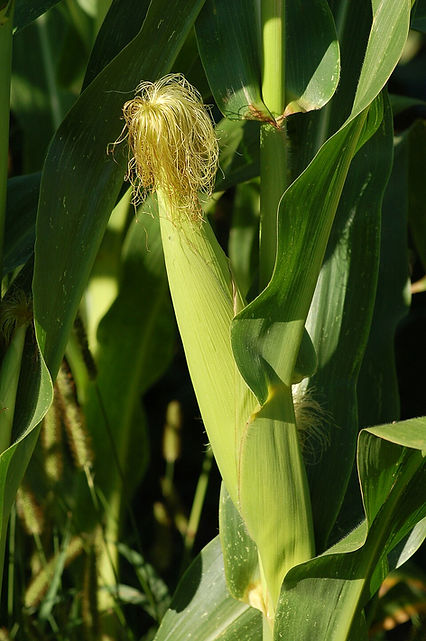
Monumental, hyper-efficient C4 annual grasses engineered for explosive biomass accumulation, massive atmospheric carbon capture, deep heavy-feeding root networks, and an abundant summer harvest of sugar- or starch-rich cobs.
Alternative Names: Corn, Maize, Indian Corn, Sweet Corn, Field Corn
Introduction
Botanical Name: Zea mays (Family Poaceae)
Native Habitat: Originally domesticated in the tropical river valleys of southwestern Mexico (specifically the Balsas River basin) over 9,000 years ago from its wild grass ancestor, teosinte (Zea mays subsp. parviglumis). It evolved in warm, sunny, seasonally dry tropical environments characterized by intense solar radiation and high ambient temperatures. Through thousands of years of selective indigenous breeding, it transformed into a high-yielding crop completely dependent on human intervention for seed dispersal, possessing a specialized C4 photosynthetic pathway that processes water and sunlight with maximum metabolic efficiency.
Characteristics: This is an erect, massive, fast-growing annual grass featuring a thick, solid, pith-filled central culm (stem) that reaches heights of 1.5 to 4.0+ meters. The leaves are large, alternate, lanceolate, 50 to 100 cm long, with wavy margins, prominent midribs, and clasping sheaths that wrap around the stem nodes. The plant is monoecious, bearing separate male and female inflorescences on the same individual: the male flowers form a terminal branched tassel at the top of the culm that sheds airborne pollen, while the female flowers form compact lateral spikes (cobs or ears) encased in protective husks along the leaf axils. Long, thread-like styles (silks) emerge from the top of the husk to catch falling pollen. The fruit is a specialized dry seed called a caryopsis (kernel), arranged in precise parallel rows along a central woody cob.
Pros
Elite C4 Photosynthetic Efficiency: Possesses an advanced C4 carbon-fixation pathway, allowing the crop to convert high heat units and solar radiation into massive vegetative biomass faster than standard plants.
Massive Caloric & Biomass Return: Produces exceptional structural carbon volume and heavy calorie-dense yields per unit area for food, livestock feed, and soil organic matter building.
Ideal Living Scaffold & Trellis: Serves as the structural anchor in historical multi-cropping systems (like the "Three Sisters"), providing physical support for climbing legumes.
Wide Culinary & Industrial Range: Highly versatile genetic profiles spanning ultra-sweet fresh culinary sweet corns, starch-heavy dent/flint field corns, flour corns, and popping corns.
Cons
Heavy Nutrient Demander: Drains soil nitrogen, phosphorus, and zinc reserves aggressively during its vegetative sprint, requiring substantial fertility inputs.
High Pollination Vulnerability: Wind-pollinated species requiring block planting arrangements; isolated single rows suffer from poor pollination, leading to empty cobs with missing kernels.
Shallow Wind-Lodging Risk: Fast-growing top-heavy stems are susceptible to root-lodging (toppling over) during summer rainstorms if brace roots are poorly anchored.

Field Performance & Care Profile
Light Requirement: Absolute full, unshaded sun. Demands a minimum of 8 to 10 hours of direct, high-intensity daily solar exposure. Full sun is mandatory to power its high-temperature C4 photosynthetic machinery.
Cold Hardiness: Extremely frost-tender. The plant has zero cold resilience; growth stalls below 10°C (50°F), and a single light spring or autumn frost at 0°C (32°F) ruptures the leaf tissue and destroys the crop. (WHZ 2a-11b).
Heat Tolerance: High for vegetative growth, but narrow for pollination success. Thrives in temperatures between 25°C and 33°C (77°F to 91°F). If ambient air temperatures exceed 35°C (95°F) during the pollen-shed window, pollen grains desiccate and lose viability within minutes.
Soil Requirement: Demands deep, fertile, highly porous loams or rich alluvial soils loaded with abundant organic matter. Performs best within a pH range of 5.8 to 7.0, requiring high internal drainage combined with high moisture-holding capacity.
Root Structure: Develops a two-tier root system: a primary fibrous root network expanding in the top 30 to 60 cm of soil to mine nutrients, paired with a visible ring of aerial brace roots emerging from the lower stem nodes to anchor the heavy stalk against winds.
Height & Spread: Dwarf sweet varieties grow 1.2 to 1.8 meters tall; standard sweet and giant field varieties reach 2.5 to 4.0+ meters high, spaced 25 to 35 cm apart in rows.
Watering: High water demands, especially during the critical tassel-and-silk window. Requires steady soil moisture. Water stress during silk emergence causes delayed silking, resulting in unpollinated cobs.
Regional Adaptability: Elite performer across warm Mediterranean alluvial plains, hot continental agricultural basins, and sun-drenched river valleys with reliable summer irrigation.
Lifespan: Cultivated strictly as a fast-growing, warm-season annual crop.
Flower Color: Male tassels range from creamy yellow to greenish-purple; female silks range from pale green to translucent pink or dark crimson.
Blooming Period: Mid to late summer (tasseling occurs 50 to 75 days after germination depending on cultivar maturity groups).
Foliage Status: Annual deciduous. Stems and leaves naturally dry to a pale golden-straw color as the kernels reach final maturity.
Difficulty Level: Beginner to Moderate. Easy to germinate, but demands adequate soil fertility, block-spacing discipline, and precise watering during flowering.

Propagation Methods
Direct-Sowing in Field Blocks (The Gold Standard): Because corn develops an early primary root system that suffers severe transplant shock and stunting when root-bound, direct-sowing into permanent outdoor beds yields the sturdiest, highest-yielding plants. Wait until spring soil temperatures reach a reliable minimum of 15°C (59°F)—or 18°C (64°F) for super-sweet (sh2) varieties. Sow seeds at a depth of 3.0 to 5.0 cm, spaced 20 to 30 cm apart. Always plant in dense grid blocks (e.g., 4x4 rows) rather than one long single row to maximize wind-borne pollen capture. Germination occurs within 5 to 10 days under warm moisture conditions.
Early Indoor Biodegradable Cell Modules: If starting early in short-season cold zones, sow individual seeds into deep, biodegradable paper or peat pots 3 weeks before the last expected frost date. Maintain soil temperature at 22°C to 25°C (72°F to 77°F). Transplant the entire pot into the garden flush with the soil line before roots coil or penetrate the base, minimizing root disturbance.
Pro Care Tips & Secrets
To prevent "Blank Cob Syndrome"—where harvested ears feature scattered, underdeveloped, or missing kernels due to poor pollination—you must enforce the "Block Grid Planting & Manual Tassel-Shaking" technique. Never sow corn in a single long border line along a fence, as wind will blow airborne pollen away from the female silks. Plant corn in square or rectangular blocks at least 4 rows wide. During peak morning hours (between 8:00 AM and 11:00 AM) when male tassels open and release yellow pollen dust, physically walk through the block and gently tap or shake the main stalks. This manual agitation creates a dense cloud of falling pollen directly over the sticky female silks below, guaranteeing complete kernel fertilization across the entire cob.
To eliminate the risk of wind-lodging during severe late-summer storms while delivering a massive boost of nitrogen directly to the feeding roots, execute the "Side-Dress Nitrogen & Base Hilling Protocol." When stalks reach knee-height (30 to 45 cm), apply a high-nitrogen organic fertilizer (such as blood meal, feathered meal, or well-rotted poultry manure) along the base of the rows. Immediately use a hoe to draw surrounding topsoil up against the stalks, creating a 10 to 15 cm high soil mound (hill) covering the lower nodes. This mounded soil stimulates the rapid growth of thick aerial brace roots, anchoring the tall stalk into the ground while placing nitrogen directly where new feeder roots can absorb it.
To determine the exact, perfect day for harvesting sweet corn at its peak sugar concentration before the natural enzymes convert sugars into bland, pasty starch, use the "Silk Drying & Milk-Stage Thumbnail Test." Watch the silks emerging from the top of the ear: when they turn completely dark brown, dry, and brittle, but the husk remains tight and bright green, carefully peel back a small section of the husk to expose the tip kernels. Puncture a fully rounded kernel with your thumbnail. If the fluid that squirts out is clear, the corn is under-ripe; if the fluid is thick and white/milky, it is at absolute peak sweetness and quality—harvest immediately. If the fluid is solid or pasty, the crop has passed its peak and converted its sugars to starch.
Tags: Annual-Grain | C4-Biomass | Full-Sun | Heavy-Feeder | Summer-Harvest | Wind-Pollinated


Comments