


The Mountain Sentinel: European Black Pine (Pinus nigra)


Rugged, deep-rooted evergreen conifers engineered for frosty high-altitude limestone ridges, severe continental winds, and heavy, alkaline clay soils.
Alternative Names: European Black Pine, Austrian Pine, Crimean Pine
Introduction
Botanical Name: Pinus nigra (Family Pinaceae)
Native Habitat: Widely distributed across Southern and Central Europe, extending into the Mediterranean mountains, North Africa, and the high-elevation Anatolian plateaus of Turkey. It is a highly specialized montane species that thrives on exposed, wind-swept ridges and steep mountain slopes between 600 and 2,000 meters. Its evolutionary background hardwires an absolute reliance on high-intensity sunlight, an incredible capacity to withstand severe continental winter freezes, and a deep, aggressive root architecture engineered to anchor into heavy, hard-packed limestone soils and rocky crags.
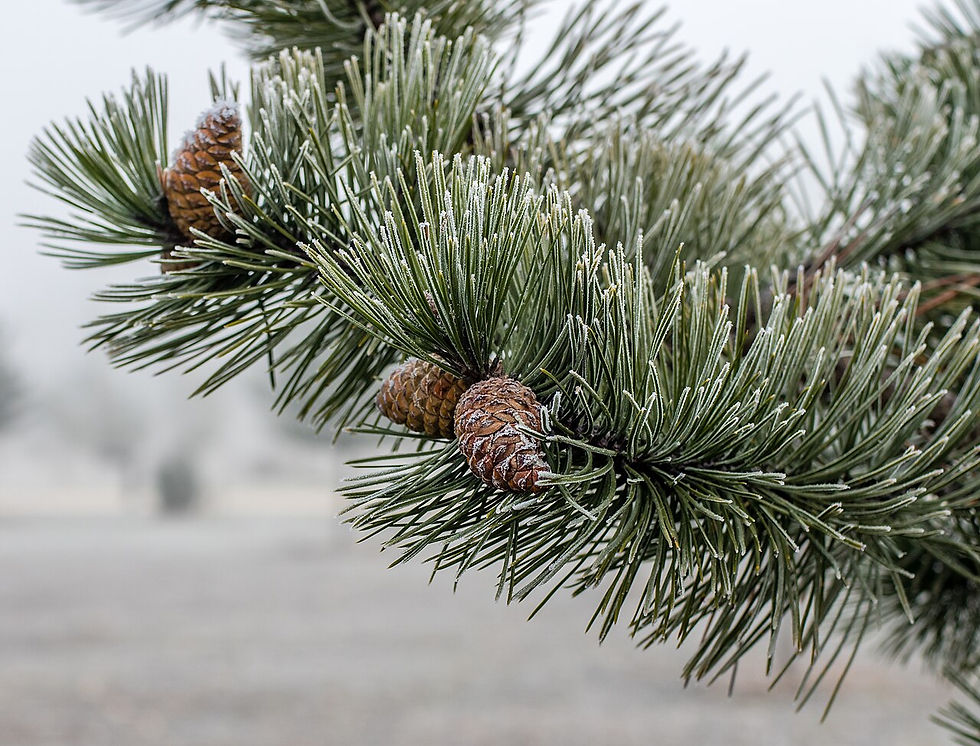
Characteristics: This is a large, imposing, long-lived coniferous evergreen tree capable of reaching heights of 20 to 55 meters. In youth, it maintains a dense, symmetrical, conical shape, which gradually develops into a broad, flat-topped, spreading crown with heavy, irregular branches as it ages. The trunk is exceptionally straight and covered in thick, deeply furrowed, dark grey to charcoal-black bark that breaks into prominent plates, providing striking winter interest. The needles are borne in pairs, measures 8 to 16 cm long, and are dark green, stiff, sharp-pointed, and slightly curved. The ovoid, woody cones sit horizontally along the branches, maturing from green to a shiny, light yellow-brown color after two years.
Pros
Outstanding Continental Cold Resilience: Easily handles severe winter freezes, heavy snow packing, and sub-zero frost cycles without needle burn.
Exceptional Heavy Clay Adaptability: Breaks through tough, compacted, high-lime calcareous clays far better than most other large pine species.
Superb Urban and Windbreak Utility: Displays remarkable resistance to urban air pollution, road salt spray, and severe, drying continental winds.
Strong Structural Timber Profile: Produces dense, highly resinous, durable heartwood that resists mechanical stress and environmental decay.
Cons
High Vulnerability to Diplodia Tip Blight: Can suffer severe needle drop and dieback from the fungal pathogen Diplodia sapinea if grown in low-airflow, humid lowland sites.
Dense Needle-Litter Suppression: Drops a thick, acidic, slow-decomposing blanket of needles that chemically and physically suppresses low groundcovers directly under its canopy.
Strict Shade Intolerance: Seedlings will quickly stall, weaken, and die if shaded out by a closed forest canopy or nearby buildings.
Field Performance & Care Profile
Light Requirement: Absolute full, unshaded sun. It demands maximum daily solar exposure from seedling stage to old age. Structural shade causes rapid inner branch death and structural thinning.
Cold Hardiness: Outstandingly cold-hardy. The tree easily handles sub-zero winter drops down to minus 25°C to minus 30°C (-13°F to -22°F), requiring a cold winter rest period to maintain long-term vigor. (RHS Hardiness Rating H7 / WHZ 4a-8b).
Heat Tolerance: High. Thrives through intense, dry summer heatwaves climbing up to 38°C (100°F), provided its roots are anchored in a deep soil matrix.
Soil Requirement: Remarkably non-fussy. Thrives in poor gravels, sandy soils, thin rocky crags, and heavy, compacted alkaline clays. It tolerates a wide pH range from 6.0 to 8.5, performing exceptionally well on high-lime limestone soils.
Root Structure: Develops a powerful, deep central taproot in youth, supported by a broad, aggressive network of lateral structural roots that anchor the tree firmly against high mountain winds.
Height & Spread: Grows 20 to 55 meters (65 to 180 feet) in vertical height, developing a mature canopy spread of 8 to 12 meters.
Watering: Very low water needs once established. Requires regular deep watering only during its first two summers in the ground to establish its deep root system. Once anchored, it relies entirely on natural winter snowmelt and rainfall, requiring zero summer irrigation.
Regional Adaptability: Exceptionally successful in high-altitude inland regions, continental transition zones, and wind-swept mountain steps. It is a premier choice for large-scale reforestation, industrial shelterbelts, and soil erosion control on steep slopes.
Lifespan: Long-lived woody perennial, with healthy specimens frequently reaching ages between 200 and 500 years.
Cone/Flower Color: Small, cylindrical yellow male pollen cones; large, ovoid glossy yellow-brown female seed cones.
Blooming Period: Late spring (pollen dispersal typically occurs from May through June). Cones take 2 full years to fully mature.
Foliage Status: Evergreen. The needle clusters remain vibrant dark green year-round, naturally shedding older inner needles quietly every 3 to 4 years in autumn.
Difficulty Level: Beginner. An incredibly self-sufficient tree once planted correctly, requiring zero ongoing pruning, structural shaping, or chemical inputs.
Propagation Methods
Late-Autumn Cold-Stratified Seeding (The Mass Production Route): Collect mature, intact brown cones in late autumn before they shed their seeds. Place the cones in a warm, dry room until the woody scales flex open, allowing you to shake out the winged seeds. Rub the seeds lightly in a dry cloth to remove the wings, and soak them in water for 24 hours. Mix the seeds into damp sand or vermiculite, place them in a sealed bag, and store them in the refrigerator at 2°C to 4°C (35°F to 39°F) for 30 to 60 days to break embryo dormancy. In early spring, sow the stratified seeds 1 cm deep into deep, narrow tree pots filled with a sharp sand-and-peat mix. Deep containers are mandatory to prevent taproot coiling. Seedlings emerge within 2 to 3 weeks.
Late-Winter Side-Veneer Grafting (Elite Cultivar Propagation): To multiply selected ornamental, dwarf, or columnar varieties, execute a side-veneer graft in late winter (February). Use vigorous 2-year-old container-grown Pinus nigra or Pinus sylvestris seedlings as the rootstock. Select healthy, dormant scion wood from the upper, sun-drenched branches of the parent tree. Make a clean, downward, angled slice along the side of the rootstock stem, match the cambium layers precisely, and bind the joint tightly with grafting tape. Place the grafts in a high-humidity, cool environment until the union calluses over completely in spring.

Pro Care Tips & Secrets
To completely prevent the devastating invasion of Pine Processionary Moth (Thaumetopoea pityocampa) caterpillars without using broad-spectrum chemical insecticides that disrupt your garden's ecological balance, you must implement the "Autumn Pheromone Interception Trap." Pinus nigra is highly targeted by these pests in continental regions. In late summer (August to September), when the adult moths emerge from the soil to mate and lay eggs in the pine canopy, hang sticky delta pheromone traps directly from the lower branches at a height of 2 meters. The female pheromone lure attracts and traps the male moths before they can fertilize the females, breaking the reproductive cycle and drastically reducing the number of silken winter nests formed in the upper canopy.
If you are establishing a windbreak or forest block of Pinus nigra in a region dominated by heavy, sticky calcareous clay and want to eliminate the risk of "Root-Rot Crown Drowning" during wet winter months, you must implement the "Raised Stone-Core Mound Plant." Do not dig a standard deep planting hole in heavy clay, which creates a water-holding "bathtub effect" that suffocates pine roots. Instead, dig a shallow dish only 20 cm deep, pile a wheelbarrow of coarse gravel and broken limestone directly into the center, and place the sapling's root ball right on top of this stone core. Build a broad, gently sloping mound of native topsoil mixed with coarse sand over the roots. This physical setup guarantees that the sensitive root crown stays perfectly drained above the winter water table, while the taproot easily pushes down through the stones into the deep clay layers.
If you are growing Pinus nigra in a landscape setting and want to completely eliminate the threat of Diplodia Tip Blight—which causes young shoots to turn brown, stunt, and die back in spring—you must practice "Lower Canopy Air-Flow Clearance." This fungal disease thrives in stagnant, humid air masses trapped beneath the lower branches. In late winter, use a sharp pruning saw to cleanly remove all lower branches up to a height of 2.5 meters from the ground, cutting directly outside the branch collar without damaging the main trunk bark. Rake up and completely burn or discard the fallen needle litter beneath the tree, as the fungus overwinters on old needles and cones. Opening the lower canopy allows drying winds to sweep through the zone, dropping humidity levels below the threshold required for fungal spore germination.
Tags: Coniferous-Tree | Drought-Resilient | Full-Sun | Windbreak-Asset | Clay-Soil-Hardy | Evergreen


Comments