


The Nitrogen Indicator & Wild Spinach: Common Lambsquarters (Chenopodium album)


A fast-growing, mineral-dense annual pioneer plant prized across regenerative agriculture as a soil-building living green manure, living shade canopy, nutrient-dense wild leaf vegetable, and key biological indicator of high nitrogen reserves in topsoil.
Alternative Names: Lambsquarters, White Goosefoot, Fat-Hen, Wild Spinach, Pigweed, Anserine (French), Weißer Gänsefuß (German), Cenizo (Spanish), Sirken / Yaban Ispanağı / Ak Kazayağı / Unluca (Turkish)
Introduction
Botanical Name: Chenopodium album (Family Amaranthaceae / Subfamily Chenopodioideae)
Native Habitat: Native across Eurasia, including deep historical distribution throughout Anatolia, the Mediterranean basin, and the Silk Road agricultural corridors. It rapidly colonizes nutrient-rich disturbed soils, abandoned farm beds, compost piles, field margins, and alluvial floodplains. As a natural pioneer annual, it specializes in covering exposed, bare soil, preventing nitrogen leaching and protecting the topsoil biology from direct solar radiation.
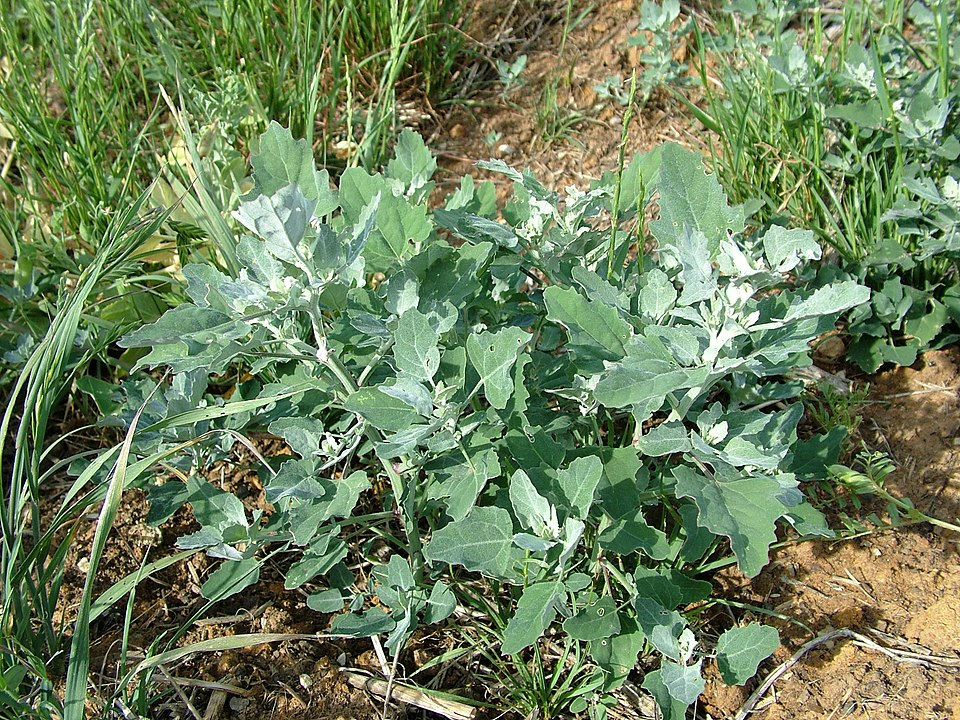
Characteristics: A vigorous, erect, warm-season annual herb growing from 0.5 to 2 meters tall. Leaves are alternate, variable in shape (from rhombic-ovate to lanceolate) with shallowly toothed or wavy margins. A signature identification feature is the fine, powdery, white mealy coating (farina) covering young shoots and the undersides of leaves, which repels water and protects against heat. In summer, it produces small, dense, greenish-white panicles of apetalous flowers, followed by thousands of tiny, shiny black, mineral-rich seeds enclosed in thin husks. It forms a deep, fibrous taproot system capable of drawing up moisture and dissolved nutrients from the subsoil.
Pros & Cons
Pros
Nutritional Powerhouse: Outperforms cultivated spinach in nutritional density—exceptionally rich in Vitamin A, Vitamin C, Calcium, Iron, Magnesium, Potassium, and plant protein.
Nitrogen & Mineral Bio-Indicator: Acts as a direct biological indicator of high soil nitrogen and active organic matter decomposition.
Biological Topsoil Shield: Rapidly produces dense leafy green biomass over bare summer soil, preventing topsoil erosion, weed proliferation, and moisture evaporation.
Dynamic Mineral Accumulator: Mines calcium, potassium, and trace minerals from deeper soil layers, returning them to the topsoil layer when chopped as mulch.
Cons
Prolific Prolific Seed Production: A single large plant can produce 50,000 to 100,000 seeds that remain viable in the soil bank for up to 30 years if allowed to mature fully.
Oxalate & Nitrate Accumulator: Contains oxalic acid and can accumulate high nitrates in heavily over-fertilized soils; raw consumption should be moderate, though cooking/blanching neutralizes oxalates.
Seasonal Competition: Can outcompete young, small crop seedlings during early spring if left unmanaged in crop rows.
Field Performance & Care Profile
Light Requirement: Full sun to light partial shade (6 to 8+ hours of direct sunlight for maximum biomass).
Cold Hardiness: Warm-season annual. Frost-sensitive foliage dies back with hard winter freezes, but seeds overwinter effortlessly in freezes down to -25°C (-13°F).
Heat Tolerance: High. Thrives during hot summer months (30°C to 40°C) with minimal water requirements once rooted.
Soil Requirement: Highly adaptable; performs best in fertile, moist, nitrogen-rich loams, but survives easily in heavy clay or sandy soils (pH 5.2 to 8.2).
Root Structure: Fleshy, branching taproot with extensive fine lateral roots.
Height & Spread: Grows 0.5 to 2.0 meters tall with a lateral spread of 0.3 to 0.8 meters depending on soil fertility.
Watering: Low. Categorized in the Green/Yellow Group on the Water Scorecard. Uses deep subsoil moisture; requires zero supplemental irrigation in most Anatolian regions.
Regional Adaptability: Native Anatolian wild herb, summer living canopy, chop-and-drop green manure, and wild culinary leafy green (Sirken Yemeği).
Lifespan: Warm-season summer annual (germinates in spring, sets seed in late summer/autumn, completes cycle in 120–150 days).
Flower Color: Inconspicuous greenish-white to pale grey-green panicles.
Blooming Period: Mid-summer to early autumn (July to September).
Foliage Status: Annual foliage (dies back at first hard autumn frost).
Difficulty Level: Extremely Easy (spontaneous natural pioneer).

Propagation Methods
Self-Seeding & Direct Sowing: Barely requires intentional sowing in most agricultural soils. For target cover-cropping beds, sow seeds directly onto surface topsoil in early spring (April–May) and rake in lightly. Seeds germinate rapidly at soil temperatures above 10°C to 15°C.
Pro Care Tips & Secrets
To use as a Living Green Manure & Mulch, chop plants at ground level right when the first flower buds appear in mid-summer, before any seed formation begins. Lay the nitrogen- and calcium-rich stems directly around hungry summer crops (tomatoes, peppers, fruit trees) as a moisture-locking organic mulch.
To harvest for Culinary Sirken Yemeği or Börek Inner Fillings, pinch off the top 10–15 cm of tender growth shoots in spring and early summer. The young shoots have a buttery, nutty flavor superior to cultivated spinach and retain high texture when sauteed with onions and olive oil.
To execute Living Canopy Management, allow scattered plants to grow alongside taller summer crops. Thin out lower branches to create a high "living umbrella" that shades the soil surface and reduces ground temperature without shading out crop fruits.
Tags: Annual | Native-Flora | Bio-Indicator | Mineral-Accumulator | Edible-Wild-Green | Green-Manure | Nitrogen-Indicator | Amaranthaceae


Comments