


The Rebel Farmer: Sepp Holzer and the Power of Microclimates

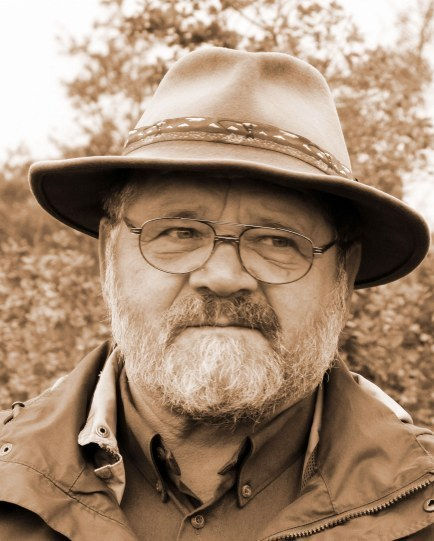
Sepp Holzer is one of the most inspiring figures in modern permaculture, proving to the world that working with nature—rather than fighting against it—yields extraordinary abundance. High in the Austrian Alps, his legendary farm, "Krameterhof," stands today as an open-air laboratory and living classroom for sustainable agriculture practitioners worldwide.

1. Who Is Sepp Holzer?
Rejecting the monocultures and chemical dependency of industrial farming, Sepp Holzer developed "Holzer Permaculture" to regenerate damaged landscapes and unlock genuine food sovereignty. Known worldwide as the "Rebel Farmer," Holzer’s core philosophy centers on minimizing human labor while maximizing the self-regulating power of natural biological cycles.
2. Cornerstones of Holzer Permaculture
Holzer’s methodology relies on deep observation and creative environmental engineering:
Hügelkultur (Mounded Raised Beds): Holzer’s signature technique. By burying logs, branches, and woody biomass under a deep layer of soil, these raised mounds act as long-term nutrient banks and absorbent, sponge-like water reservoirs that hold moisture through extended droughts.
Microclimate Engineering: By strategically arranging massive boulders, water bodies, and windbreaks, Holzer creates protected "thermal islands" capable of sheltering frost-sensitive perennials in harsh climates.
Water Management & Natural Ponds: To Holzer, water is the lifeblood of the landscape. Instead of letting rainfall drain away, he slows, spreads, and sinks water using hillside terraces, swales, and interconnected earthen ponds.
Wild Animal Alliances: Rather than applying chemical sprays, Holzer builds habitats for predatory birds, amphibians, and beneficial insects. He employs pigs to till and aerate topsoil naturally, while chickens handle pest management and fertilization.
3. The Miracle at 1,500 Meters: How Holzer Grows Citrus in the Alps
At an altitude of 1,100 to 1,500 meters in the Austrian Alps—where winter temperatures regularly plummet below -30°C (-22°F)—Holzer successfully cultivates sensitive crops like lemons, figs, and kiwis. His secret is not genetic modification, but microclimate transformation using basic thermal physics:
1. Sun Traps & Thermal Bowls
Holzer shapes his slopes like concave mirrors. High earthen berms block freezing northern winds while the southern exposure opens entirely to the sun, capturing and concentrating radiant heat to keep micro-zones several degrees warmer than the surrounding mountain peak.
2. The Thermal Power of Massive Boulders
Huge rocks are strategically positioned throughout his terraces:
Daytime: The boulders absorb and store solar radiation.
Nighttime: As ambient air temperatures drop, the rocks slowly radiate their stored warmth, shielding nearby root zones from frost. Planting citrus directly against these massive stones keeps them insulated like a natural radiator.
3. The Water Mirror Effect
Interconnected ponds act as solar reflectors. The water's surface reflects sunshine directly onto hillside fruit trees—doubling light exposure while stabilizing local humidity and ambient temperatures.
4. Windbreaks & Terracing
Cutting mountain wind velocity is critical. By terracing steep slopes and planting dense guilds of hardy native shrubs alongside fruit trees, Holzer creates multi-layered windbreaks that shelter fragile plants in cozy pockets.
5. Seed Propagation & Climate Adaptation
Instead of planting coddled nursery stock grown in heated greenhouses, Holzer advocates sowing seeds directly into the harsh alpine soil. Plants germinated in place develop deep, resilient root architectures and natural defense mechanisms customized to the local terrain.
"When you collaborate with nature, she does the work for you. When you fight against nature, you end up paying a heavy price."— Sepp Holzer
Tags: Sepp-Holzer | Holzer-Permaculture | Hugelkultur | Microclimate | Water-Harvesting | Thermal-Mass | Closed-Loop-Gardening


Comments