


The Shaded Chalice: Bigleaf Hydrangea (Hydrangea macrophylla)
- Athena

- Jul 6
- 6 min read

Massive, moisture-retentive structural mounds built for deep shade, cool root zones, and vibrant color shifts.
Alternative Names: Bigleaf Hydrangea, French Hydrangea, Mophead, Lacecap
Introduction
Botanical Name: Hydrangea macrophylla (Family Hydrangeaceae)
Native Habitat: Native to the coastal valleys, damp seaside cliffs, and shaded mountain ravines of Japan. It evolved as an understory shrub thriving beneath dense forest canopies, biologically hardwired to demand absolute protection from direct, scorching afternoon sun, consistent soil moisture, and high atmospheric humidity.
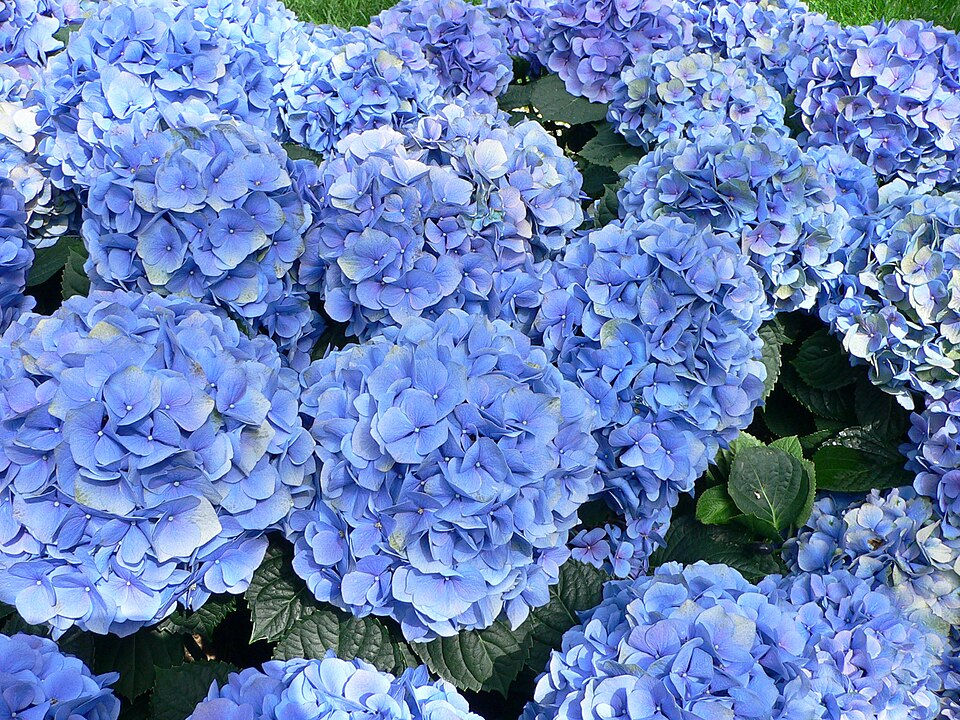
Characteristics: This is a robust, rounded, multi-stemmed deciduous shrub that forms a dense, lush structural presence in shaded landscapes. It features large, opposite, broadly ovate green leaves with sharply serrated margins and a distinctively thick, fleshy texture. Throughout summer, the branches are topped by massive, showy flower clusters. These clusters can form large, spherical heads of sterile blossoms (Mopheads) or flattened discs surrounded by a ring of open florets (Lacecaps). The sepals possess a unique biological property where their coloration acts as a living pH indicator, shifting between intense blues and soft pinks depending on aluminum availability in the soil matrix.
Pros
Elite Shaded Impact: Delivers massive architectural volume and vibrant color saturation to deep, full-shade zones where most flowering shrubs fail to survive.
Living Soil Indicator: Offers an interactive landscaping experience, allowing the gardener to actively manipulate blossom color through localized soil chemistry adjustments.
Premium Cut and Dried Flower: The heavy, dense flower heads hold their structural form beautifully in fresh water vases and dry into papery, long-lasting autumn decorations.
Excellent Understory Companion: Thrives beneath the high canopy of mature woodland trees, filtering light perfectly to keep its large leaves from scorching.
Cons
High Moisture Dependency: Possesses zero drought tolerance; the massive leaf surface area transpires water rapidly, causing the entire plant to collapse or wilt dramatically during dry, windy summer days.
Extreme Limestone/Alkaline Conflict: If grown in high-pH limestone soils, the plant cannot absorb aluminum, forcing the flowers to turn solid pink and making a true blue bloom impossible without intensive soil modification.
Late-Frost Flower Vulnerability: Because most classic varieties set their flower buds on the previous year's wood during autumn, an unseasonably late spring freeze can kill the buds, wiping out the entire summer bloom.

The Field Performance Profile
Light Requirement
Dappled morning sun with absolute afternoon shade, or full, continuous bright shade. It requires protection from direct midday and afternoon solar radiation. Intense, direct sun burns the leaf margins and bleaches the flower colors within hours.
Cold Hardiness
Down to minus 15 to minus 20 degrees Celsius (5 to minus 4 degrees Fahrenheit). While the woody root frame is highly cold-hardy, the above-ground stems and overwintering terminal buds can die back during severe, windswept continental winters.
Heat Tolerance
Moderate to poor. It struggles significantly in hot, dry, inland air. Even with wet roots, temperatures consistently crossing 35 degrees Celsius (95 degrees Fahrenheit) combined with low humidity will cause the large leaves to flags and droop during the hottest hours of the day.
Soil Requirement
Demands rich, deep, porous soils loaded with organic matter that retain moisture yet drain freely. It prefers an acidic matrix (pH 5.0 to 6.0) for blue flowers, but adapts flawlessly to alkaline clay-loams (pH 7.0 to 8.0), which naturally forces the blossoms into rich pink and rose tones.
Root Structure
A dense, highly fibrous, and shallow capillary root network that spreads laterally just below the soil surface, requiring a permanent, cool layer of organic mulch to protect it from drying out.
Height & Spread
Forms a substantial, mound-like shrub. It typically matures to 1 to 1.5 meters (3 to 5 feet) in height, expanding horizontally to cover an equal or slightly greater footprint of 1.2 to 1.8 meters (4 to 6 feet) wide.
Watering
High and consistent water needs. The soil must stay continuously damp, resembling a wrung-out sponge. It requires regular, deep irrigation throughout the summer heat wave. Any prolonged drying out of the topsoil triggers immediate leaf drop and bud abortion.
Lifespan
Long-lived deciduous shrub. A properly positioned and sheltered specimen can maintain its structural vigor, branching network, and heavy summer blooming cycles for 30 to 50+ years.
Flower Color
A dynamic chameleon spectrum ranging from deep sapphire blue, violet, and purple in acidic soils, to clear pink, rose-red, and magenta in alkaline conditions. Creamy white varieties also exist but do not shift color based on pH.
Blooming Period
Early summer into autumn (typically bursting into full glory in June and holding its colorful sepals on the stems through September, slowly fading to vintage antique tones).
Foliage Status
Strictly deciduous. The lush, glossy green leaves provide a dense summer canopy, turn a soft bronze-yellow in late autumn, and drop completely to expose the thick, blonde woody stems for winter.
Difficulty Level
Intermediate. Simple to grow in naturally damp, acidic woodland zones, but requires attentive watering, mulching, and strategic wind-sheltering in dry, alkaline, or high-plains climates.
Propagation Methods
Softwood Stem Cuttings (The High-Success Route): This is the premier method to multiply your favorite varieties during the active growing season in early summer. Select a vigorous, non-flowering green shoot and cut a 10 to 15 cm segment cleanly just below a leaf node. Strip off the lower leaves, leaving only the top pair. The Professional Trick: Cut the remaining two top leaves horizontally in half with sharp shears to drastically reduce water loss through transpiration. Insert the base of the cutting into a damp, sterile mix of peat and perlite. Place the container under bright shade and cover it with a clear plastic dome to lock in humidity. Strong roots will establish within 3 to 4 weeks.
Simple Ground Layering (The Lazy Guarantee): Look for a low-growing, flexible woody branch near the base of the shrub in early spring. Gently bend the branch down until a middle section touches the bare ground. Use a sharp knife to lightly scrape a small patch of bark off the underside of the stem where it contacts the soil. Pin the branch securely into the earth using a landscape staple or a heavy stone, and cover the junction with a mound of rich compost. By autumn, a dense network of fresh white roots will explode from the wounded node. Cut the branch away from the mother plant and relocate your new shrub.
Pro Care Tips & Secrets
To avoid the single most common mistake that completely wipes out a hydrangea's summer blooming cycle, you must follow strict pruning restraint. Because classic bigleaf hydrangeas set their flower buds for the following year inside the green stems during late summer and autumn, you must never shear this plant back in winter or early spring. If you cut the bare woody stems down during winter cleanup, you are actively throwing away all of July's flowers. Instead, only prune the shrub in mid-summer, directly after the blossoms begin to fade, cutting the spent flowering stems down to the first pair of fat, healthy green buds below the flower head.
If you are growing hydrangeas in a high-pH limestone landscape and want to force your pink flowers into a deep, intense sapphire blue, you cannot rely on pouring vinegar or simple acids onto the soil. The color shift is not caused directly by acidity, but by the plant's ability to absorb aluminum ions, which become unlocked only in acidic conditions. To achieve this in alkaline ground, you must aggressively lower the localized pH by mixing elemental sulfur into the root zone every autumn, followed by regular applications of aluminum sulfate dissolved in water during early spring. If your soil is naturally full of lime, it is far more effective and less frustrating to embrace the natural chemistry and cultivate stunning, vibrant rose-pinks instead.
To help this moisture-loving understory shrub survive dry inland summer air and prevent its large leaves from flagging into sad, wilted rags every afternoon, you must focus on root cooling rather than continuous overhead watering. Clear a wide ring around the base of the shrub and apply a massive, 10 cm deep blanket of coarse pine bark mulch or well-rotted leaf mold, keeping the material slightly away from the main woody crown. This heavy insulation shield keeps the shallow capillary root network significantly cooler, cuts evaporation losses from the soil surface by up to eighty percent, and ensures the roots can pump water fast enough to keep the massive leaves turgid and crisp through the hottest hours of the day.
Tags: Deciduous-Shrub | Full-Shade | Moisture-Lover | Acid-Lover | Summer-Bloom | Cut-Flower


Comments