


The Solar Waterfall: Common Petunia (Petunia × hybrida)
- Athena
- Jul 10
- 6 min read
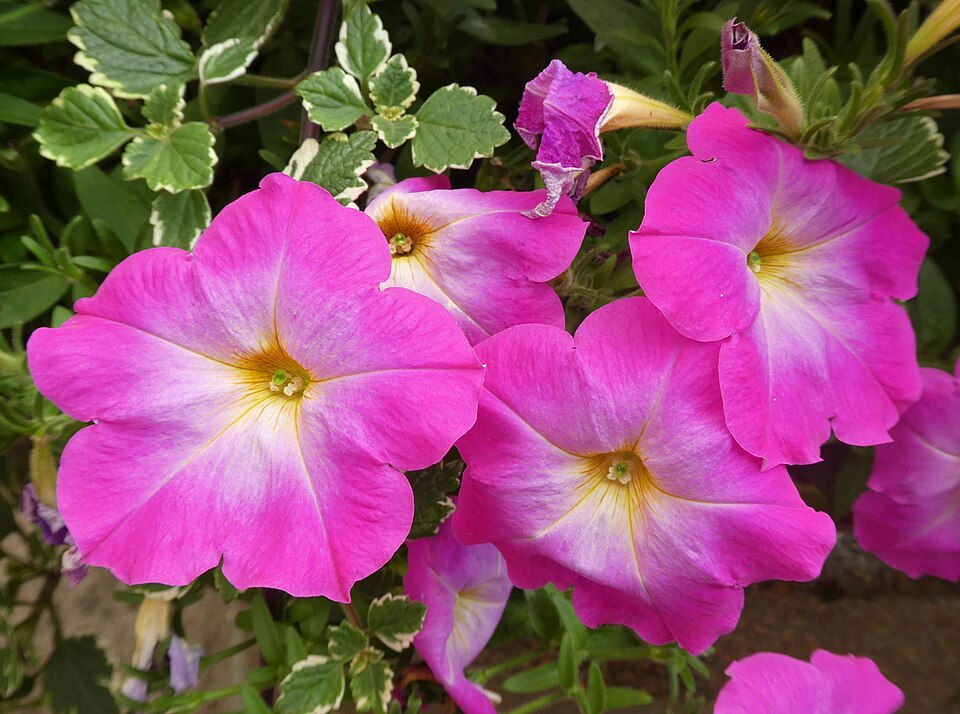
Fast-growing, trailing seasonal powerhouses built for blazing summer solar exposure, highly porous sand matrices, and non-stop explosive color cascades.
Alternative Names: Petunia, Garden Petunia, Hibrit Bahçe Petunyası
Introduction
Botanical Name: Petunia × hybrida (Family Solanaceae)
Native Habitat: This is a complex, high-performance interspecific horticultural hybrid created by crossing wild species native to the sun-baked, sandy river banks and open South American grasslands of Argentina and Brazil (including Petunia axillaris and Petunia integrifolia). This genetic ancestry hardwires the plant's absolute biological craving for intense heat, its high tolerance for sandy substrates, and its capacity to produce hundreds of flowers simultaneously when fueled by high solar radiation.
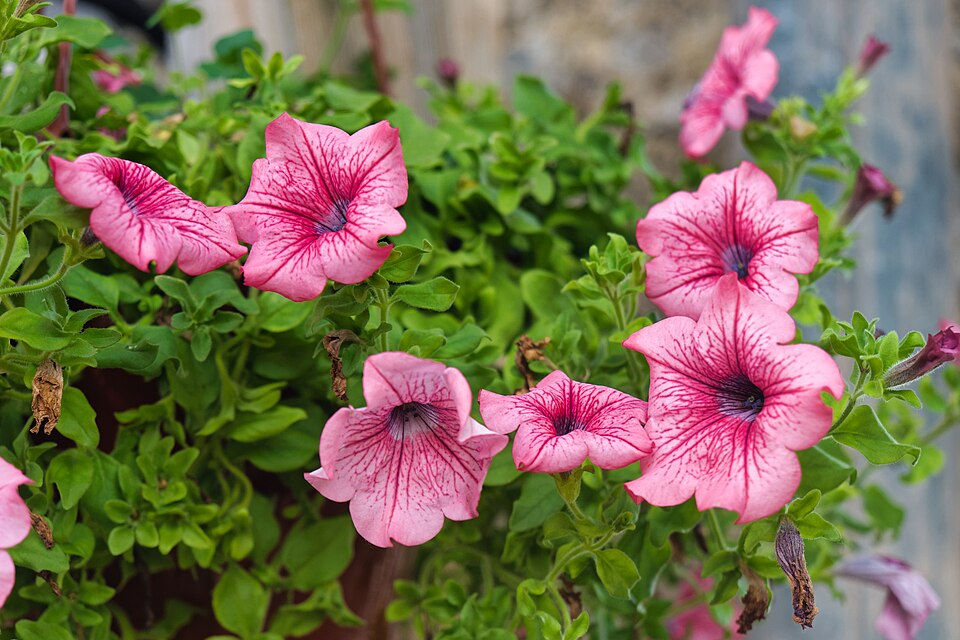
Characteristics: This is a fast-growing, sprawling, multi-branched annual herb that develops an elegant mounding or trailing structural presence in the landscape. It features soft, flexible stems lined with alternate, simple, ovate dark green leaves covered in a dense coat of glandular, sticky hairs that exude a distinctively sweet, resinous aroma to deter small pests. From mid-spring straight through the onset of late autumn freezes, the entire foliage canopy is completely buried beneath a relentless cascade of large, trumpet- or funnel-shaped flowers. The fused petals flare out dramatically into smooth, ruffled, or double flutes, creating an unmatched display of high-contrast color variations.
Pros
Unrivaled Bloom Volume and Duration: Delivers a continuous, high-volume explosion of vivid color from April until the first winter freeze drops.
Elite Trailing Container Performance: The flexible, cascading stems drape beautifully over hanging baskets, retaining walls, and raised stone window boxes.
High Heat and Drought Resilience: Shrugs off intense, baking summer heat waves comfortably once its capillary root footprint is established.
Immense Varietal and Pattern Palette: Offers an unparalleled range of flower architectures, including unique starry patterns, striped throats, and double ruffles.
Cons
Absolute Annual Lifecycle: Possesses zero internal frost hardiness; the entire plant undergoes complete systemic mortality at the end of autumn.
High Sticky Foliage Debris Friction: The resinous, sticky glandular hairs trap dust, spent flower petals, and falling seeds, requiring regular maintenance.
Severe Susceptibility to Budworms: Highly vulnerable to tobacco budworm larvae (Helicoverpa virescens), which burrow into the flower buds and destroy petals overnight.
Field Performance & Care Profile
Light Requirement: Absolute full, unrestricted sun. It demands a minimum of six to eight hours of direct, unfiltered daily solar radiation. Any amount of sustained shade triggers long, watery growth joints, sparse foliage, and completely halts fresh flower bud formation.
Cold Hardiness: Tender annual. It handles cool autumn night drops down to 5°C (41°F) beautifully, but possesses zero resistance to a hard freeze. The entire plant melts into mush and undergoes complete cellular collapse at 0°C (32°F). (RHS Hardiness Rating H1c / WHZ 10-11 as a seasonal annual).
Heat Tolerance: Supreme. Performs flawlessly through intense, baking summer air temperatures climbing up to 38°C to 42°C (100°F to 108°F) without showing signs of leaf scorch, using the solar energy to accelerate bud division.
Soil Requirement: Prefers light, lean, highly porous substrates including sandy loams, gravelly screes, and unamended potting matrices rich in perlite. It possesses an excellent affinity for a neutral to slightly acidic pH range of 5.5 to 6.5, demanding sharp, immediate drainage. It rots rapidly in heavy, waterlogged clay.
Root Structure: A highly branched, shallow, and dense network of fibrous capillary roots that expands rapidly within the top 20 to 30 cm of soil to draw nutrients.
Height & Spread: Depending heavily on the cultivar group, trailing types stay low at 15 to 25 cm (6 to 10 inches) in height but cascade horizontally up to 90 to 120 cm (3 to 4 feet) wide. Mounding types reach 30 to 45 cm high and wide.
Watering: Moderate but highly consistent water needs. The shallow roots cannot tolerate deep soil cracking or long periods of waterlogging. Provide a deep soaking at the soil level twice a week during dry summer stretches. Avoid overhead sprinkling, which tears the delicate trumpet petals.
Regional Adaptability: Exceptionally successful as a summer seasonal asset throughout temperate Europe (RHS Hardiness Rating H1c) and across the entire United States (USDA Hardiness Zones 2 through 11 as a spring-planted annual). It struggles only in cold, light-starved alpine regions.
Lifespan: Strictly seasonal annual. It completes its entire vegetative growth, flowering climax, and seed production within a tight 5 to 7-month window before dying naturally.
Flower Color: An extraordinary, kaleidoscopic spectrum including deep velvet black, royal purple, vivid magenta, neon pink, lemon yellow, lime green, and pure snow-white, frequently showcasing contrasting veins, stripes, or starry borders.
Blooming Period: Uninterrupted seasonal frame. Typically runs continuously from mid-spring straight through late autumn (April to November depending heavily on regional frost timelines).
Foliage Status: Seasonal. The soft, sticky green leaves remain active and lush throughout the growing season, dying off cleanly as winter sets in.
Difficulty Level: Beginner to Intermediate. It is incredibly easy to grow for baseline color, but requires attentive deadheading, selective feeding, and mid-summer pruning to maintain a pristine, non-leggy shape.

Propagation Methods
Indoor Early-Spring Surface Sowing (The High-Volume Seed Route): To secure early April blooms, sow the tiny seeds indoors 10 to 12 weeks before your region's last expected spring frost. Fill sterile cellular plug trays with a light, peat-based seed-starting mix. Press the microscopic seeds gently onto the surface; do not cover them, as petunia seeds require direct light to break dormancy. Maintain a steady room temperature of 21°C to 24°C (70°F to 75°F) and mist the surface gently. Green sprouts will appear within 7 to 12 days. Place under bright grow lights immediately and transplant outdoors once spring soil warms.
Late-Spring Softwood Cuttings (The Instant Clone Route): For modern, highly prized vegetative cultivars (such as the 'Surfina' or 'Wave' series) that do not produce viable seeds, propagation via stem cuttings is exceptionally fast. Select a strong, non-flowering green shoot about 8 cm long in late spring. Make a clean cut directly below a leaf node and strip away the lower foliage. Insert the cutting into a damp mix of seventy percent perlite and thirty percent peat sand. Keep under a clear humi-dome in a warm, bright spot; a robust root network will lock in within 10 to 14 days without rooting powder.
Pro Care Tips & Secrets
To prevent your trailing petunias from turning into a leggy, sparse, and stringy mess of bare stems with a few lonely flowers at the very tips by late July, you must implement the "Mid-Summer Halving Chop" technique. Do not be afraid to lose a few blossoms. In mid-July, use sharp shears to cleanly cut the trailing stems of the entire plant back by half their overall length. This intentional structural disruption instantly breaks apical dominance, forcing the root crown to pump its rich sap reserves into flushing out a dense carpet of pristine new lateral branches. Within two weeks, this fresh canopy will form a compact, self-supporting mound packed with hundreds of fresh flower buds that will carry your color waterfall into late autumn.
Never apply standard high-nitrogen organic composts or slow-release balanced garden fertilizers to your petunia containers during the peak summer bloom window. Petunias are incredibly heavy feeders, but they have a unique metabolic dependency on iron and potassium. Excessive nitrogen forces a sudden explosion of watery green leaves while completely suppressing flower bud formation. More critically, high soil fertility raises the pH of potting mediums, triggering iron chlorosis (yellowing between leaf veins). Instead, feed your plants bi-weekly with a liquid, water-soluble fertilizer rich in potassium and chelated iron, keeping the soil matrix slightly acidic to ensure continuous, high-intensity petal pigmentation.
To completely protect your petunia trumpets from turning into a rotting, brown, melting mush after a summer rainstorm, you must eliminate overhead watering and practice "Base-Directed Hydration." The large, fused petals of Petunia × hybrida possess very thin cell walls that are easily torn and waterlogged by heavy droplets. Wet petals stick to the sticky foliage underneath, trapping moisture and breeding destructive grey mold (Botrytis cinerea) within hours. Always direct your hose nozzle or drip irrigation lines straight onto the soil surface beneath the leaf canopy. If growing in hanging baskets, your ultimate professional secret is to water early in the morning (before 8:00 AM) so that any accidental foliage spray evaporates completely under the early morning sun.
Tags: Seasonal-Annual | Heavy-Feeder | Full-Sun | Trailing-Growth | Hanging-Basket | Summer-Bloom


Comments