


The Summer Garden Companion: Sweet Basil (Ocimum basilicum)


Bringing a lush, aromatic wave of pure summer warmth straight to your borders
Alternative Names: Great Basil, Genovese Basil, Saint Joseph's Wort, Common Basil, Culinary Basil
Introduction
Botanical Name: Ocimum basilicum
Native Habitat: Native to the tropical regions of Central Africa and Southeast Asia. Its ancient evolutionary history hardwires the plant to absolute love intense summer humidity, steady heat, and nutrient-balanced, moisture-retentive coastal or alluvial soils.
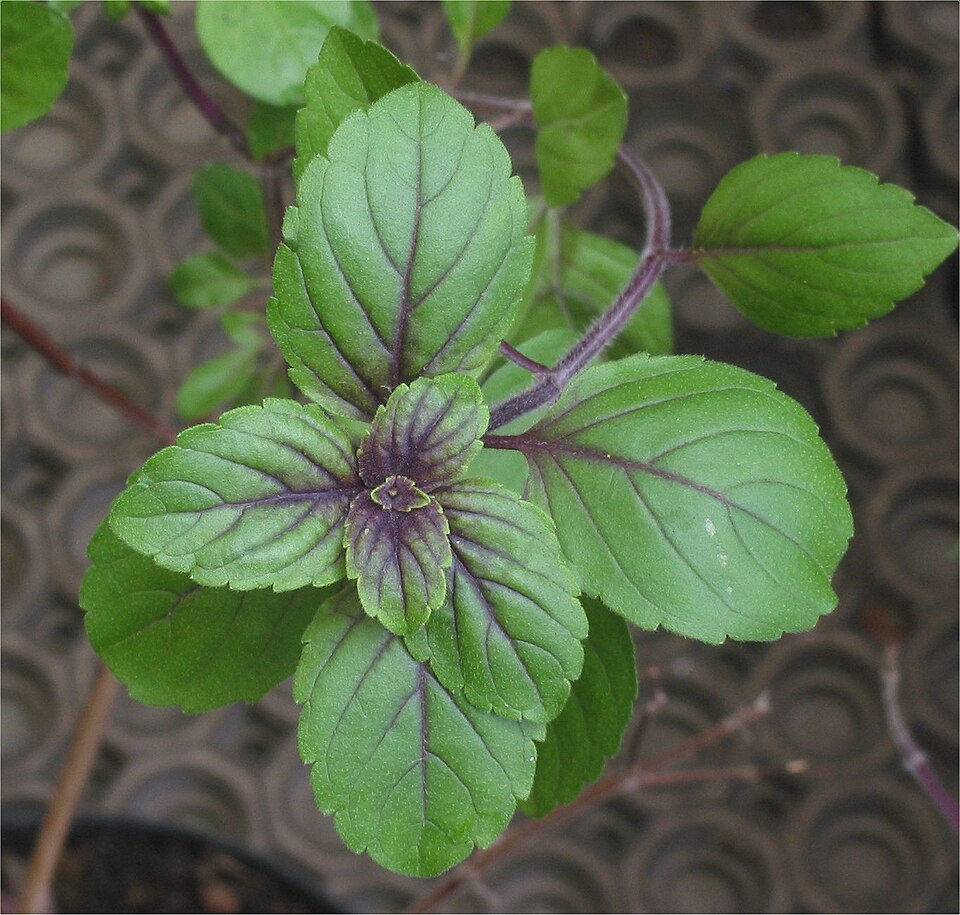
Characteristics: This is a fast-growing, highly aromatic herbaceous annual belonging to the Mint family (Lamiaceae). It forms a lush, bushy mound of glossy, ovate, bright green leaves that release a powerful, sweet-spicy scent rich in essential oils when bruised. In late summer, it sends up neat terminal spikes covered in small, tubular white or soft lavender flowers that are immensely attractive to local wildlife.
Pros
Unrivaled Aromatic Impact: Releases an incredible, rich perfume into the garden paths whenever brushed or touched, heightening the sensory experience.
Elite Kitchen Asset: Globally celebrated as the definitive culinary herb for fresh pestos, summer salads, and oils.
Superb Companion Plant: Functions as a brilliant companion for tomato crops, helping to shield nearby plants from minor garden pests with its volatile oils.
Rapid Biomass Yield: Under the right heat levels, it grows with incredible speed, bouncing back quickly after heavy harvests.
Cons
Absolute Zero Frost Tolerance: Incredibly tender; the slightest brush of cold autumn frost will instantly blacken the foliage and kill the plant.
High Water Dependence: Unlike dry-meadow perennials, it cannot handle prolonged drought and will wilt dramatically if the soil dries out completely.
Susceptible to Downy Mildew: Highly vulnerable to devastating airborne fungal pathogens if the leaves stay damp or are packed too tightly together.
The Cultivation Matrix
Light Requirement
Absolute full sun. It requires a minimum of six to eight hours of direct, baking daily solar radiation to maximize the synthesis of its aromatic essential oils and to prevent leggy, weak stems.
Cold Hardiness
Down to 5 to 7 degrees Celsius (41 to 45 degrees Fahrenheit). It possesses zero cold resistance. Any drop toward freezing temperatures causes immediate growth stunting, leaf spotting, and structural decline.
Heat Tolerance
Up to 38 to 42 degrees Celsius (100 to 108 degrees Fahrenheit). It absolute thrives in intense summer heat waves, provided its root network has consistent access to soil moisture.
Soil Requirement
Prefers rich, highly fertile, loamy, and exceptionally well-draining soil profiles with a neutral pH (6.5 to 7.0). It benefits greatly from clean, mature compost blends but detests heavy, compacted clay.
Root Structure
A shallow, highly branched, and delicate fibrous root system that expands quickly in loose topsoil but is highly sensitive to root disturbance and waterlogging.
Height & Spread
Maintains a neat, upright, bushy mound reaching a maximum height of 45 to 60 cm (18 to 24 inches) and a mature lateral spread of 30 to 45 cm (12 to 18 inches).
Watering
Moderate to high water needs. The soil must be kept consistently, evenly damp—like a wrung-out sponge—but never waterlogged. Provide deep watering at the base of the plant during the early morning hours, keeping the leaves completely dry.
Lifespan
Grown strictly as a warm-season annual. It completes its entire life cycle from seed to flowering and seed-set within a single warm season.
Flower Color
Small, delicate, tubular flowers in clean shades of pure white or soft, faint lavender.
Blooming Period
Mid-summer to early autumn (typically running from July through September).
Foliage Status
Annual. The lush, glossy green leaves remain highly active until the first cold drop of autumn completely terminates the plant.
Difficulty Level
Beginner to Intermediate. While very simple to grow from seed, maintaining perfect water and airflow balance to prevent fungal issues requires a small amount of focus.

Propagation Methods
1. Water Cuttings (The Fastest & Most Magical Method)
When: Mid-summer during the plant's peak vegetative growth phase.
How: Snip a 10 cm long, healthy green stem just below a leaf node, ensuring it has no flower buds. Strip off the lower leaves, leaving only the top cluster. Drop the stem into a clean glass of water and place it on a warm, bright windowsill. Within 7 to 10 days, a dense network of white roots will burst from the stem. Once these roots hit 2 cm in length, transplant them directly into sunny garden pockets or patio containers.
2. Seed Propagation
When: Early spring indoors, or late spring direct outdoors once soil temperatures consistently pass 20°C (68°F).
How: Scatter the small black seeds onto a damp, fine seed starter mix and cover them very lightly with just 0.3 cm of soil. Keep the tray in a warm, bright location. Sprouting is incredibly eager, occurring within 5 to 7 days.
Pro Care Tips & Secrets
✂️ The Node-Pinching Harvest Secret: To transform your basil from a tall, single-stemmed stick into an enormous, dense green bush, never rip off individual leaves. Instead, use sharp shears to snip the entire top stem right above a set of two outward-facing leaf nodes. This simple cut immediately forces the plant to activate those two lower nodes, doubling your branch count every single time you harvest.
🚫 The Morning Basal Watering Protocol: Because Ocimum basilicum foliage is a prime target for downy mildew spores, never spray the plant from above with a hose or water late in the evening. Always apply water directly to the soil base during the early morning sun. This allows any accidental splashes to dry off quickly in the afternoon heat, keeping the leaves perfectly crisp and clean.
Editor’s Note
Ocimum basilicum represents the absolute pinnacle of sensory abundance in the summer landscape. It bridges the gap between ornamental beauty, therapeutic aroma, and world-class culinary utility like no other herb on earth. When given absolute full sun, tucked into rich, free-draining soil, and harvested with systematic node-pinching, this tropical classic rewards the gardener with a stunning, non-stop mountain of lush emerald green that anchors the summer garden experience.
Tags: Annual | Aromatic | Full-Sun | Culinary-Herb | Companion-Planting


Comments