


The Tropical Sovereign: Chinese Hibiscus (Hibiscus rosa-sinensis)
- Athena
- Jul 23
- 4 min read
Vibrant, woody evergreen shrubs engineered for high-intensity solar capture, rapid indeterminate terminal blooming, heavy potassium-driven metabolism, and dynamic ornamental landscape impact.
Alternative Names: Chinese Hibiscus, Tropical Hibiscus, Rose of China, Shoeblackplant
Introduction
Botanical Name: Hibiscus rosa-sinensis (Family Malvaceae)
Native Habitat: Native to tropical and subtropical regions of East Asia, likely originating in southern China and Vanuatu. It evolved in warm, coastal lowlands, forest margins, and sunny river valleys. The species thrives under intense, unshaded solar radiation, high atmospheric humidity, consistent soil moisture, and mineral-rich, porous soils. This tropical background hardwires its continuous blooming habit in warm temperatures, its high demand for macronutrients, and its total intolerance to freezing conditions.
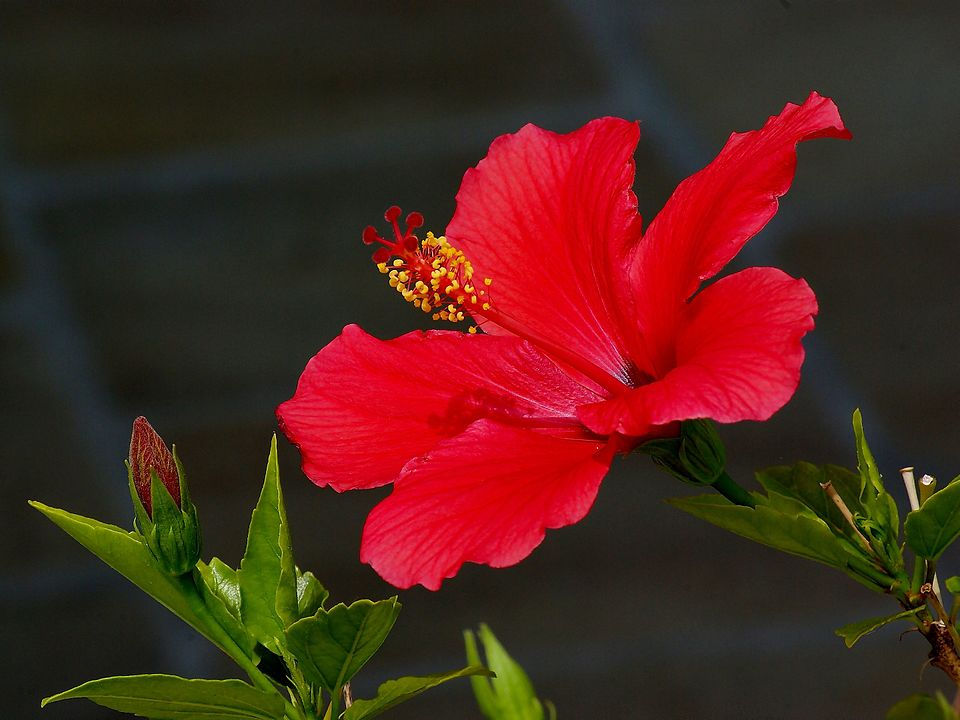
Characteristics: A fast-growing, woody, broadleaf evergreen shrub reaching heights of 1.5 to 4.0 meters in frost-free outdoor grounds, or maintained as a 1.0 to 1.8-meter potted terrace specimen. The leaves are alternate, ovate to broadly lanceolate, 5 to 12 cm long, featuring glossy, dark green upper surfaces with coarsely dentate (toothed) margins. The flowers are large, showy, trumpet-shaped blossoms measuring 10 to 20 cm in diameter, arising singly from upper leaf axils. Each short-lived blossom features five broad petals surrounding a distinctive, elongated central staminal column that extends prominent yellow anthers and a 5-branched stigma pad. Cultivars display a brilliant spectrum of colors including scarlet red, golden yellow, bright orange, coral pink, pure white, and complex multi-toned hybrids.
Pros
Continuous Indeterminate Flowering: Produces a relentless sequence of massive, vibrant flowers from late spring through autumn (or year-round in warm greenhouses/climates).
High Landscape & Container Versatility: Functions equally well as a dramatic flowering patio specimen, hedge asset, or trained standard tree.
Vigorously Responsive to Pruning: Rebounds rapidly from structural heading cuts, allowing easy size control and canopy shaping.
Attracts Beneficial Pollinators: Highly attractive to hummingbirds, butterflies, and large bees due to prominent floral structure and nectar production.
Cons
Short Individual Flower Lifespan: Individual blooms typically last only 24 to 48 hours before dropping, requiring constant energy reserves for continuous bud initiation.
High Sensitivity to Water Stress & Bud Drop: Sudden swings between extreme dryness and waterlogging cause immediate bud yellowing and abscission.
Susceptibility to Common Sap-Feeding Pests: Highly attractive to spider mites, whiteflies, aphids, and mealybugs, particularly when moved indoors for winter overwintering.

Field Performance & Care Profile
Light Requirement: Full direct sun to bright, unshaded conditions. Requires at least 6 to 8 hours of direct solar exposure daily to trigger continuous flower bud differentiation. Indoors or in shaded positions, blooming halts, internodes stretch out, and foliage turns pale green.
Cold Hardiness: Highly frost-tender. Growth halts below 13°C (55°F). Temperatures below 10°C (50°F) trigger foliage yellowing and leaf drop. Sub-zero temperatures (0°C / 32°F and below) cause fatal wood damage and root collapse. (RHS Hardiness Rating H1c / WHZ 10a–12).
Heat Tolerance: Exceptional. Thrives in scorching summer temperatures above 35°C (95°F) provided root zones remain hydrated and mulched.
Soil Requirement: Prefers a rich, friable, well-draining organic medium. A mix of 40% composted bark/leaf mold, 40% high-grade potting soil, and 20% coarse perlite or pumice with a slightly acidic to neutral pH of 6.0 to 6.8 ensures rapid nutrient uptake without stagnation.
Root Structure: Develops a fibrous, highly active adventitious root mass that rapidly fills containers and demands frequent watering during peak growth.
Height & Spread: Outdoors reaches 2.5 to 4.0 meters tall with a spread of 1.5 to 3.0 meters; containerized specimens typically stay between 1.0 and 1.8 meters.
Watering: High water demands during active summer growth. Keep the root zone consistently moist but never waterlogged. Irrigate thoroughly whenever the top 2.5 cm of soil dries out. In winter, scale back watering significantly, allowing the top third of the pot to dry out before light irrigation.
Regional Adaptability: World-class tropical landscape shrub for frost-free coastal/mediterranean zones; premier containerized patio and sunroom asset in colder climates.
Lifespan: Perennial woody shrub; live for decades with proper winter protection and spring rejuvenation pruning.
Flower Color: Crimson red, orange, yellow, pink, salmon, white, purple, and complex multi-color variations.
Blooming Period: Continuous from late spring through late autumn (year-round in tropical conditions).
Foliage Status: Broadleaf evergreen.
Difficulty Level: Moderate. Demands high solar exposure, consistent watering discipline, and protection from winter cold.

Propagation Methods
Semi-Ripe Stem Cuttings (The Gold Standard): Take 10 to 15 cm cuttings from current season's semi-woody side shoots during late spring or early summer. Remove the lower leaves, leaving only 2 to 3 upper leaves (cut broad leaf blades in half to reduce transpiration loss). Dip the base in a liquid or powder rooting hormone (IBA). Insert 3 to 5 cm deep into a coarse propagation medium (50% perlite, 50% peat). Maintain high atmospheric humidity using a humidity dome or mist system at 22°C to 26°C (72°F to 79°F). Adventitious roots establish within 3 to 5 weeks.
Air-Layering: Highly effective for propagating mature, thick-stemmed branches or creating pre-formed standard trees from large landscape plants during active spring growth.
Pro Care Tips & Secrets
To prevent "Premature Flower Bud Drop & Foliar Yellowing," enforce the "High-Potassium Fertigation Protocol." Hibiscus rosa-sinensis is a heavy feeder, but high-nitrogen or high-phosphorus fertilizers cause severe metabolic distress—excess phosphorus locks up iron and micronutrients, causing chlorosis and bud aborting. Use a water-soluble fertilizer specifically tailored for tropical hibiscus with a high potassium ratio (such as N-P-K ratios of 7-2-12 or 10-5-20) enriched with magnesium and iron. Apply at low strength weekly during active spring and summer blooming.
To stop "Leggy, Bare Lower Branches and Sparse Flowering," execute the "Early-Spring Structural Heading Protocol." Hibiscus sets flower buds exclusively on new stem growth. In early spring (just as new growth resumes), prune back the previous year's branches by one-third to one-half using disinfected bypass pruners, cutting 0.5 cm above an outward-facing node. This breaks apical dominance, forcing multiple bushy side-shoots that produce an exponential number of terminal flower buds.
To manage "Winter Overwintering Leaf Drop," practice the "Acclimatization & Pest Wash Strategy." When transitioning potted hibiscus indoors before autumn temperatures drop below 10°C (50°F), plants naturally shed leaves due to the sudden decrease in solar radiation. Reduce this shock by giving the canopy a thorough wash with lukewarm soapy water to clear pests like spider mites, place the pot in your absolute brightest south-facing window, and reduce watering frequency to match the slowed indoor transpiration rate.
Tags: Broadleaf-Evergreen | Tropical-Shrub | Full-Sun | Continuous-Bloomer | High-Water-Demand | Container-Asset


Comments