


The Ultimate Care Guide for Butterfly Weed (Asclepias tuberosa)


The Brilliant Amber Anchor of Resilient Meadows
This comprehensive grower’s profile delivers detailed management protocols for an exceptionally tough, deeply root-hardy perennial. Celebrated for its intense, vivid orange flower clusters, outstanding drought survival skills, and critical role in supporting local wildlife ecosystems, this robust native serves as an indispensable tool for low-irrigation, high-impact landscape layouts.
Introduction
Botanical Name: Asclepias tuberosa
Common Names: Butterfly Weed, Orange Milkweed, Pleurisy Root
Native Habitat: Native to the eastern and southwestern regions of North America. It naturally flourishes in dry open prairies, rocky hillsides, pine barrens, and sunny roadsides, hardwiring the plant to thrive in nutrient-poor, sandy, or gravelly soils and handle intense summer droughts beautifully.
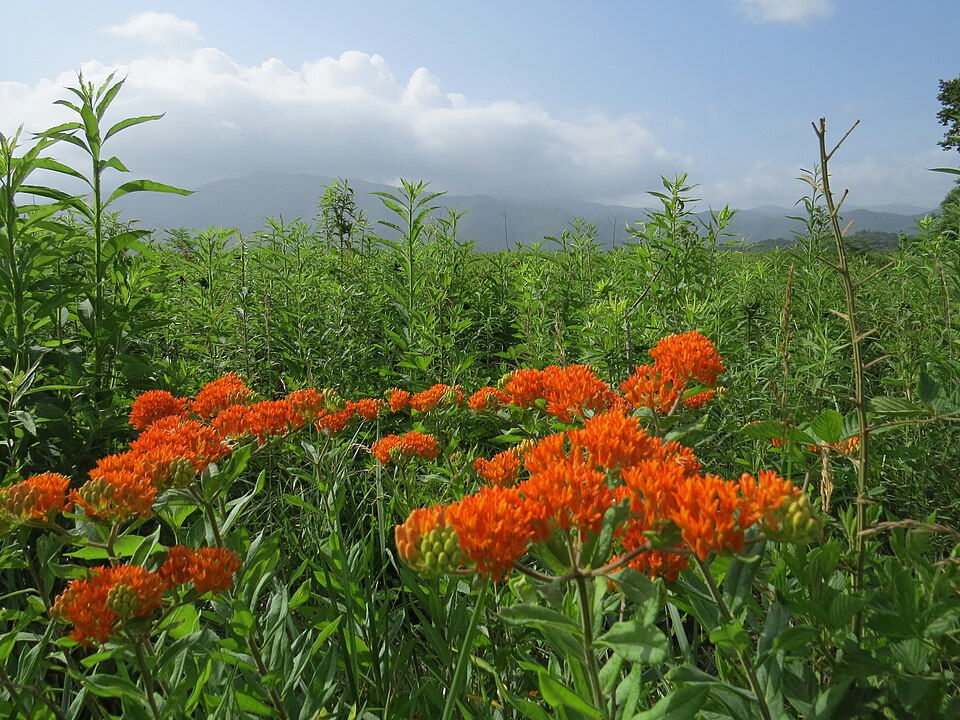
Characteristics: This is an erect, clump-forming herbaceous perennial belonging to the Dogbane family (Apocynaceae). It features sturdy, hairy, branching stems packed with alternate, lance-shaped, dark green leaves. From mid-summer through early autumn, it produces large, flat-topped clusters (umbels) of striking, crown-like flowers in brilliant shades of tangerine-orange. Unlike most other milkweeds, its tough stems contain a clear, watery sap rather than a thick milky latex.
Pros
Elite Drought Resilience: Develops a massive, deeply penetrating woody taproot that allows the plant to thrive through severe summer dry spells on zero supplemental water.
Exceptional Ecological Asset: Serves as a primary host plant for monarch butterfly caterpillars and acts as a high-value nectar station for native bees and beneficial insects.
Unbothered by Lean Soils: Performs beautifully in low-fertility, sandy, and highly gravelly soil profiles where more delicate perennials suffer.
Intense Color Longevity: The fiery orange blooms retain their saturation under intense, baking sun without bleaching or fading.
Cons
Highly Sensitive to Transplanting: The deep, brittle taproot makes moving or dividing established mature clumps exceptionally difficult and prone to failure.
Slow to Emerge in Spring: It enters a deep winter dormancy and is one of the last perennials to push fresh green shoots in spring, often leading growers to assume it has failed.
Intolerant of Stagnant Wet: The fleshy taproot will quickly rot and collapse if forced into heavy, poorly draining, or waterlogged winter soils.
Plant Care Blueprint
Light Requirement
Absolute full sun is mandatory. It requires at least six to eight hours of direct daily solar radiation to maintain its rigid, self-supporting upright posture and to trigger heavy flower production. Planting it in partial or full shade will result in loose, weak, leggy stems that flop over.
Cold Hardiness
Down to minus 34 to minus 40 degrees Celsius (minus 30 to minus 40 degrees Fahrenheit). It is exceptionally cold-hardy, comfortably handling USDA Hardiness Zones 3 through 9, and easily surviving severe continental winter freezes completely underground.
Heat Tolerance
Up to 40 to 43 degrees Celsius (104 to 110 degrees Fahrenheit). It displays elite heat resistance, shrugging off intense afternoon baking sun, low atmospheric humidity, and hot winds without showing signs of leaf scorch.
Soil Requirement
Demands exceptional drainage. It prefers poor, lean, sandy, or gravelly soil profiles with a neutral to highly alkaline pH. It thrives in high-limestone and stony environments and must be kept completely out of highly fertile, organic-heavy, or wet clay soils.
Root Structure
A massive, thick, deeply penetrating woody taproot system supported by a minor network of lateral fibrous roots. The taproot functions as a deep anchor and water storage tank, making the plant entirely self-sufficient once established.
Height & Spread
Maintains a neat, compact, bushy mounding form reaching a maximum height of 30 to 60 cm (12 to 24 inches) and an equal mature lateral spread of 30 to 60 cm (12 to 24 inches).
Watering
Low water needs. Water regularly but sparingly during its first growing season to help the young taproot dive deep into the soil profile. Once fully mature, it requires zero supplemental watering under normal conditions, surviving entirely on natural rainfall. Always allow the soil to dry out completely between watering intervals.
Regional Adaptability
Grown widely as a premier structural element in modern prairie-style plantings, dry meadow restorations, and low-water cottage gardens across Europe and North America.
Lifespan
Perennial. An incredibly long-lived, durable perennial that returns reliably year after year, slowly increasing in clump density without requiring routine division.
Flower Color
A striking, luminous tangerine-orange, though occasional wild variations or specific selections can open in bright yellow or deep red-orange.
Blooming Period
Mid-summer to early autumn (typically running continuously from June through September).
Foliage Status
Deciduous. The lance-shaped green leaves turn a golden-bronze in late autumn before dying back completely to the ground for winter dormancy.
Difficulty Level
Beginner. Once tucked into a sunny, well-draining gravel or sand pocket and left undisturbed, it requires zero routine intervention to look immaculate.
Propagation Methods
1. Seed Propagation (The Premier & Most Successful Method)
When: Late autumn (direct outdoor sowing) or early spring (indoors).
How: The seeds require a period of cold, damp stratification to break dormancy. Sowing them directly into a sunny, sandy garden bed in late autumn allows nature to handle this process over winter. For indoor starting, mix seeds with damp vermiculite and store them in a refrigerator for 30 to 60 days before sowing in early spring. Press seeds lightly into deep cell plugs; they grow fast once exposed to warmth and light.
2. Root Cuttings
When: Early spring or late autumn during full plant dormancy.
How: Because mature clumps cannot be split easily, you can propagate them by taking root cuttings. Carefully excavate around the edge of an established mound and snip a few thick, fleshy lateral roots. Cut them into 5 cm sections, making sure to keep track of which end was closest to the plant top. Insert the sections vertically into a highly porous sand-and-perlite mix, ensuring the top end sits just below the surface. Keep warm and barely damp until new green shoots emerge.
Pro Care Tips & Secrets
🪵 The Spring Location Marker Rule: Because Asclepias tuberosa remains deeply asleep underground until the soil warms completely in late spring, it is highly vulnerable to being accidentally dug up or stepped on during early spring garden cleanups. Always drive a permanent wooden stake or place a ring of gravel around the base of the clump in autumn so you know exactly where its deep taproot sits during early spring management.
✂️ The Late-Season Seed Control Secret: While the large, upright green seed pods add beautiful structural interest to the autumn garden, they will eventually split open to release hundreds of fluffy, wind-blown seeds that can sprout aggressively in open gravel paths. If you want to prevent unwanted spreading, use sharp shears to snip off the distinct seed pods in late summer just as they turn from green to light brown, before they have a chance to crack open.
Editor’s Note
Asclepias tuberosa represents the absolute pinnacle of ecological utility and visual drama in modern sustainable landscape planning. Its rare combination of intense, high-saturation floral color and iron-clad drought survival skills makes it far superior to high-maintenance ornamental perennials. When positioned in absolute full sun and kept completely free of rich, wet organic mulches, this robust native rewards the grower with an unforgettable summer display while serving as a vital sanctuary for local beneficial wildlife.


Comments