


The Ultimate Care Guide for Laurustinus (Viburnum tinus)

The Winter-Blooming Anchor of Resilient Landscapes
This comprehensive grower’s profile details the performance and care requirements of a highly reliable, multi-season broadleaf evergreen shrub. Engineered by nature to withstand both frosty winters and baking summers, this species serves as a structural backbone for durable, low-intervention garden designs.
Introduction
Botanical Name: Viburnum tinus
Common Names: Laurustinus, Laurestine
Native Habitat: Native to the Mediterranean region, Southern Europe, and North Africa. It naturally inhabits dense scrublands, open woodlands, and rocky hillsides, making it highly adapted to seasonal climate extremes.
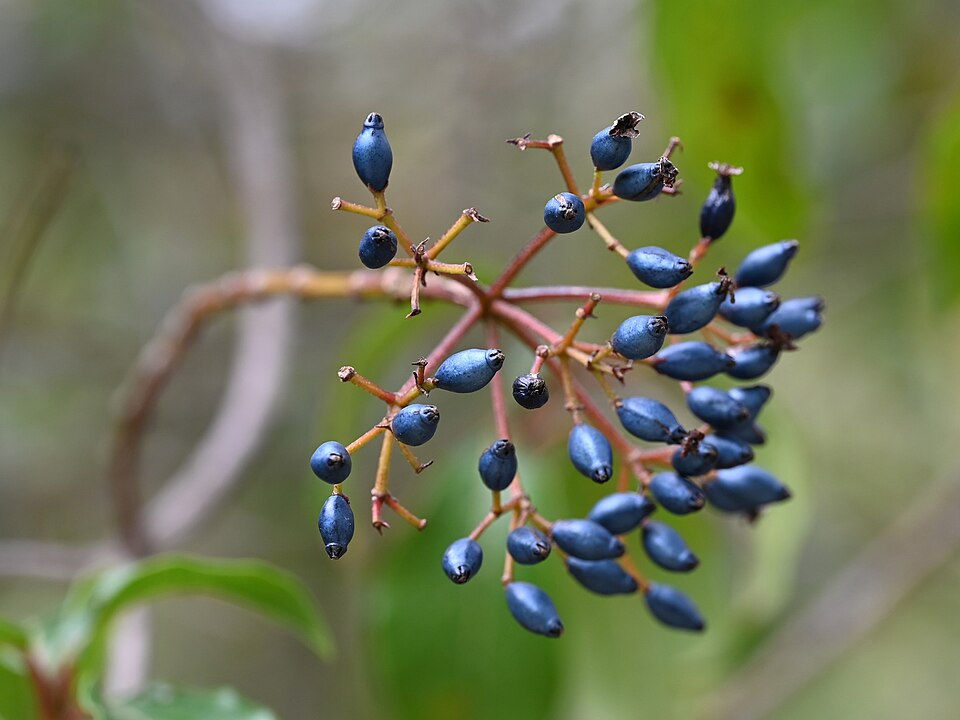
Characteristics: This is a dense, upright, woody evergreen shrub belonging to the viburnum family (Viburnaceae). It is highly valued for its dark pink flower buds that emerge in late autumn, opening into flat-topped clusters of metallic-white flowers that bloom throughout the dead of winter. The flowers are followed in spring by striking, metallic-blue berries that eventually mature to black.
Pros
Exceptional Winter Interest: Provides vibrant floral color from November through April when most other landscape plants are completely dormant.
High Shade Adaptability: Thrives in locations ranging from intense sun to deep understory shade without losing its dense foliage habit.
Wind and Pollution Barrier: Functions as an excellent, dense windbreak or privacy screen that easily tolerates urban pollution and coastal winds.
Low Input Requirement: Once established, it maintains its structural form beautifully without the need for routine chemical feeding or intensive watering schedules.
Cons
Susceptible to Viburnum Beetle: In certain regions, the foliage can be targeted by the larvae of the viburnum leaf beetle, which skeletonizes the leaves if left unmanaged.
Mildew in Stagnant Air: If planted in deep, humid shade with poor air circulation, it can develop powdery mildew on the leaf surfaces.
Slow Initial Growth: It establishes at a moderate pace, requiring patience during its first two seasons before it accelerates into a dense hedge.

Plant Care Blueprint
Light Requirement
Full sun to full shade. It produces the most compact habit and a higher concentration of winter blooms when grown in full sun or partial afternoon shade. However, it is exceptionally shade-tolerant and maintains a clean, dark green appearance even under dense tree canopies.
Cold Hardiness
Down to minus 12 to minus 15 degrees Celsius (10 to 5 degrees Fahrenheit). It reliably handles USDA Hardiness Zones 7 through 9. In the colder limits of Zone 7, harsh freezing winds may cause minor winter bronzing on the outermost leaves, but the shrub recovers completely in early spring.
Heat Tolerance
Up to 38 to 41 degrees Celsius (100 to 105 degrees Fahrenheit). It is highly heat-resistant, comfortably enduring dry summer conditions and high temperatures as long as the soil surrounding the root zone is kept cool with a protective layer of mulch.
Soil Requirement
Extremely versatile. It grows successfully in moderately fertile, moist, well-draining soils but easily adapts to chalky, highly alkaline, sandy, or heavy clay soil profiles. It prefers a neutral to alkaline substrate and will fail only in completely waterlogged, oxygen-deprived bogs.
Root Structure
Deep, fibrous, and extensively branched lateral root network. The roots anchor firmly into the ground, allowing the plant to scavenge deep moisture reserves during dry summer months and providing excellent stability against soil erosion on slopes.
Height & Spread
Maximum height ranges from 2.5 to 4 meters (8 to 13 feet), with an equal or slightly narrower spread of 2.5 to 3 meters (8 to 10 feet) at full maturity. It can easily be maintained at a smaller size with selective pruning.
Watering
Low to moderate water needs. Water thoroughly and consistently during its first growing season to encourage deep root penetration. Once the root system is fully established, the shrub is highly drought-tolerant and requires supplemental watering only during extended, severe summer droughts.
Regional Adaptability
In Europe, it is a quintessential landscape element throughout the Mediterranean basin, Western Europe, and the United Kingdom. In North America, it performs beautifully across the Pacific Northwest, California, and the milder zones of the southern states.
Lifespan
Perennial. A highly durable, long-lived woody shrub that can easily maintain its health, form, and vigor for 30 to 50 plus years in a permanent landscape layout.
Flower Color
Carries deep pink to reddish-purple buds that open into small, star-shaped, fragrant white flowers.
Blooming Period
Late autumn through early spring (typically running continuously from November through April).
Foliage Status
Evergreen. The leathery, oval, dark green leaves remain on the branches throughout all twelve months of the year, ensuring uninterrupted privacy and structure.
Difficulty Level
Beginner. It is an exceptionally forgiving, hands-off shrub that requires minimal intervention once established in the ground.
Propagation Methods
1. Semi-Hardwood Cuttings (Most Reliable Method)
When: Late summer or early autumn, when the current season's fresh growth is beginning to mature and firm up at the base.
How: Cut a 10 to 15 cm (4 to 6 inch) section from a healthy stem tip. Remove the leaves from the lower half of the cutting. Dip the base into rooting hormone powder and insert it into a moist, highly porous propagation medium consisting of perlite and coarse sand. Maintain high humidity around the cutting and place it in a bright, sheltered spot out of direct sunlight. Roots typically develop within 6 to 8 weeks.
2. Hardwood Cuttings (Simple Winter Method)
When: Late autumn or winter, when the shrub is in its seasonal growth lull.
How: Take 20 cm (8 inch) straight cuttings from mature, woody stems of the current year's growth. Dip the base in rooting hormone and insert them deeply into a prepared outdoor nursery bed or deep pots filled with a sandy soil mix. Leave them outdoors in a sheltered position; they will slowly callous over winter and strike roots as soil temperatures rise in spring.
Pro Care Tips & Secrets
💡 The Timing Secret for Pruning: Because this shrub forms its flower buds during the summer months, pruning it too late in the year will accidentally cut off all of the upcoming winter blossoms. Always perform structural trimming or hedge shaping in late spring, immediately after the winter flowering period has completely finished and the berries have begun to fade.
🌬️ The Air Circulation Secret: To prevent the development of powdery mildew or leaf spot diseases on the dense interior foliage, use hand pruners to thin out a few of the older, crowded inner branches every two to three years. Opening up the center of the canopy allows sunlight and drying winds to pass through, keeping the internal environment clean and disease-free.
Editor’s Note
Editor's Note: Viburnum tinus represents the pinnacle of multi-season utility in sustainable landscape design. Its rare ability to produce an abundance of fragrant white blooms during the darkest, coldest months of the year makes it an invaluable asset for supporting early pollinators. When combined with its high tolerance for variable light levels, high-pH soils, and summer drought, it stands out as an indispensable choice for creating permanent, structural garden boundaries.


Comments