


The Ultimate Care Guide for Pelargonium

The Vivid Sentinel of Sun-Drenched Courtyards
This comprehensive grower’s profile delivers exact management protocols for a highly resilient, exceptionally long-blooming perennial. Renowned for its intense floral colors, drought tolerance, and outstanding performance in both containers and open borders, this species serves as a corner-stone for vibrant, low-intervention structural landscape layouts.
Introduction
Botanical Name: Pelargonium zonale (and related garden hybrids)
Common Names: Zonal Geranium, Garden Geranium, Sardunya
Native Habitat: Native to South Africa. It thrives naturally on sunny, rocky hillsides, open grasslands, and semi-arid slopes, which hardwires the plant to handle intense solar radiation, warm summers, and prolonged dry spells beautifully.
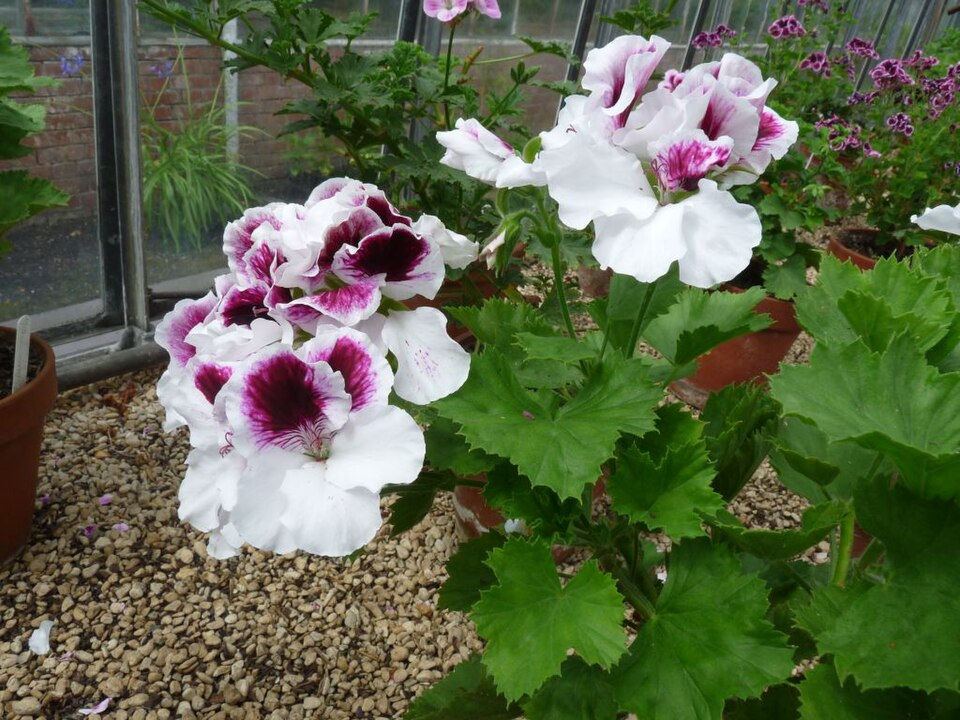
Characteristics: This is a bushy, clump-forming, semi-succulent evergreen perennial belonging to the Geranium family (Geraniaceae). It features thick, fleshy, rounded leaves often marked with a dark, horseshoe-shaped coloration band (hence "zonal"). From early spring until the arrival of winter frosts, it continuously pushes up sturdy stalks topped with large, spherical clusters of multi-petaled flowers in striking shades of crimson, pink, salmon, or pure white.
Pros
Incredible Flowering Season: Delivers continuous, high-impact floral color for up to nine months of the year without interruption.
Superb Drought Resilience: The thick, semi-succulent stems and leaves store water efficiently, allowing the plant to shrug off extended dry heat waves.
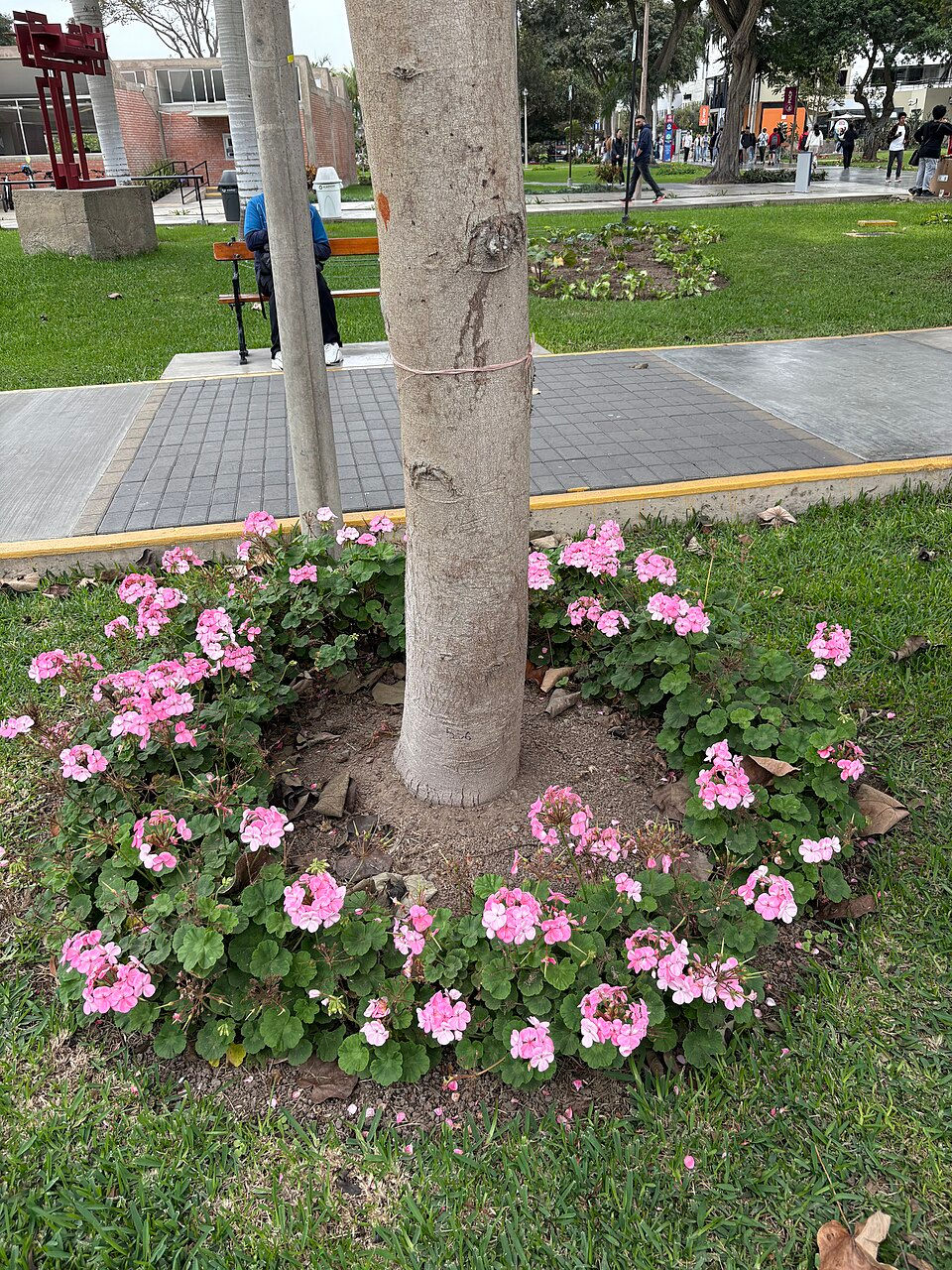
Excellent Container Performance: Thrives exceptionally well in terra-cotta pots, window boxes, and raised masonry borders.
Pest and Grazing Resistance: The highly aromatic essential oils within the velvety foliage make the plant unpalatable to deer, rabbits, and most common chewing pests.
Cons
Frost Sensitive: Lacks the ability to survive freezing temperatures and will suffer total tissue collapse if exposed to sub-zero winter freezes without protection.
Prone to Stem Rot: Excess moisture, overhead sprinkler watering, or heavy waterlogged soils will rapidly trigger black stem rot (Blackleg).
Requires Routine Deadheading: Spent flower heads can turn brown and moldy during damp stretches, requiring regular manual removal to maintain a clean aesthetic.
Plant Care Blueprint
Light Requirement
Full sun to partial shade. To achieve maximum flower production and maintain a tight, bushy, compact structural form, provide at least six to eight hours of direct daily sunlight. In exceptionally blistering desert zones, light afternoon dappled shade can prevent temporary petal bleach.
Cold Hardiness
Down to 0 to minus 1 degree Celsius (32 to 30 degrees Fahrenheit). It is tender to true freezing weather and is reliably perennial only across USDA Hardiness Zones 9 through 11. In cooler continental regions, it must be lifted, moved into a greenhouse, or overwintered indoors as a houseplant before the first frost arrives.
Heat Tolerance
Up to 38 to 41 degrees Celsius (100 to 105 degrees Fahrenheit). It possesses excellent heat tolerance, thriving comfortably under intense summer sun as long as the soil medium allows for dry aeration between watering cycles.
Soil Requirement
Demands exceptional drainage. Prefers a neutral to slightly alkaline, sandy loam or gravelly soil profile. It handles highly alkaline conditions with ease but fails completely in heavy, dense clay that retains stagnant moisture around the shallow root zone.
Root Structure
Shallow, fibrous, and highly branched root network supported by a semi-woody base. The roots are highly sensitive to suffocation and require a porous, loose soil substrate with plenty of air pockets.
Height & Spread
Maintains a mounding, upright form reaching a maximum height of 30 to 60 cm (12 to 24 inches) and a mature lateral spread of 30 to 45 cm (12 to 18 inches).
Watering
Low to moderate water needs. Always practice the "soak and dry" method: water deeply at the base until the soil profile is damp, then allow the top 3 to 5 cm of soil to dry out completely before watering again. It is far safer to underwater this plant than to overwater it.
Regional Adaptability
In Europe, it is a definitive structural icon of Mediterranean courtyards, Spanish balconies, and southern coastal gardens. In North America, it thrives across California, the Southwest deserts, and as a premier summer landscape annual in the northern states.
Lifespan
Perennial. A long-lived sub-shrubby perennial that can maintain high vigor for 5 to 10 plus years if protected from freezing winter weather and pruned regularly to prevent woodiness.
Flower Color
A vast color palette featuring brilliant crimson-red, vivid pink, scarlet, salmon, apricot, lilac, and pure white.
Blooming Period
Extremely long and persistent, stretching from early spring, running through summer, and lasting deep into late autumn (typically from April through November).
Foliage Status
Evergreen. It retains its rounded, velvety, aromatic green leaves year-round if maintained in a frost-free environment.
Difficulty Level
Beginner. Its outstanding drought survival skills and continuous blooming nature make it an incredibly forgiving choice for novice gardeners.
Propagation Methods
1. Stem Cuttings (The Fast and Ultimate Method)
When: Late summer or early autumn, when the active stems are firm and robust.
How: Snip a 10 to 15 cm (4 to 6 inch) cutting from a healthy, non-flowering stem tip, making the cut clean just below a leaf node. Strip off the lower leaves, leaving only 2 to 3 leaves at the peak. The Secret: Allow the cutting to sit on a dry counter in the shade for 12 to 24 hours until the raw cut skin develops a dry, white scar (callus). Insert the callused base into a barely damp, free-draining mix of coarse sand and perlite. Do not cover with plastic; keep in bright indirect light. Roots form reliably within 2 to 3 weeks.
2. Seed Propagation
When: Early winter (indoors under bright light).
How: Sow the small seeds shallowly in lightweight seed trays, barely covering them with a thin layer of sand. Maintain a consistent warm temperature. Germination typically occurs within 7 to 14 days, and the seedlings must be grown under maximum light before being transplanted outdoors after all spring frost risks have passed.
Pro Care Tips & Secrets
💡 The Pinching Secret for Bushiness: Left to its own devices, a geranium cane will often grow straight up into a tall, leggy, single stalk with only one flower cluster at the top. To force a massive explosion of dense side branches, use your fingernails to pinch off the absolute tip of every young vertical shoot in early spring. This simple removal breaks apical dominance and forces the plant to double its horizontal branches, creating a lush mound loaded with dozens of blooms.
🚫 The Canopy Wetting Warning: Never wash or spray this plant from overhead with automated sprinklers! Water trapped within the dense, velvety hairs of the leaves and tight flower buds encourages gray mold (Botrytis cinerea) and rust spots. Always apply irrigation water directly to the soil surface at the base of the plant, preferably during the morning hours so the root zone can aerate during the day.
Editor’s Note
Editor's Note: Pelargonium zonale remains an unmatched masterpiece for injecting continuous, high-intensity color into warm landscape layouts. Its elite ability to turn a simple terra-cotta pot or low dry border into a roaring fountain of crimson or pink blooms with almost zero water input makes it a core asset for modern sustainable gardening. Providing this South African native with absolute maximum sun, a highly porous well-draining soil mix, and a frost-free winter shelter ensures a flawless, high-impact presence that anchors the garden for months on end.


Comments