


The Ultimate Care Guide for Purple Coneflower (Echinacea purpurea)
- Athena
- Jul 3
- 4 min read

The Majestic Sentinel of Sun-Drenched Borders
This comprehensive grower’s profile delivers detailed management protocols for a highly resilient, deeply root-hardy perennial. Celebrated for its bold, structural blooms, exceptional heat tolerance, and outstanding ecosystem value, this robust species serves as a cornerstone for sustainable, low-intervention landscape layouts.
Introduction
Botanical Name: Echinacea purpurea
Common Names: Purple Coneflower, Echinacea, Hedgehog Coneflower
Native Habitat: Native to the central and eastern regions of North America. It naturally flourishes in open prairies, sunny woodlands, dry limestone glades, and meadows, hardwiring the plant to thrive in lean, uncultivated soils and handle intense summer air.
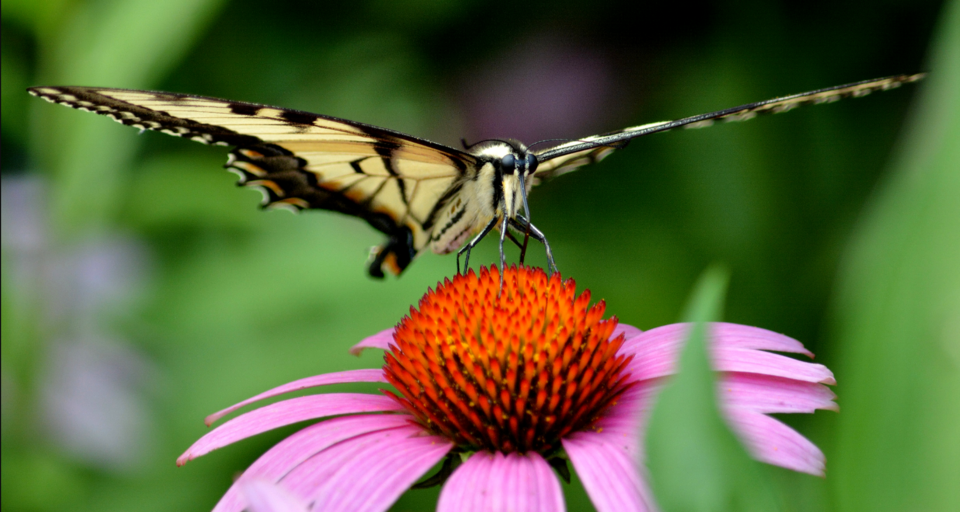
Characteristics: This is an erect, clump-forming herbaceous perennial belonging to the Aster family (Asteraceae). It features sturdy, bristly stems packed with rough, ovate, dark green leaves. From mid-summer through autumn, it produces large, daisy-like flowers with distinctive, sweepingly reflexed pinkish-purple petals that droop downward, perfectly framing a prominent, spiky, metallic orange-brown central cone.
Pros
Exceptional Summer Bloom: Provides high-impact floral color and strong vertical architectural lines from June through September when many spring flowers fade.
Elite Drought Resilience: Develops deep, tough roots that allow the plant to thrive during dry summer stretches on minimal supplemental water.
Outstanding Pollinator Support: The massive central cones are packed with high-quality nectar and pollen, actively attracting native bees, butterflies, and beneficial insects.
Tolerant of Poor Soils: Performs beautifully in lean, low-nutrient, and highly alkaline soil profiles where delicate perennials struggle.
Cons
Susceptible to Aster Yellows: Can occasionally be targeted by phytoplasma diseases spread by leafhoppers, which causes deformed, green floral growth.
Short-Lived Cultivars: While the true wild species is long-lived, some modern intense color hybrids can be short-lived, declining after two to three seasons.
Detests Stagnant Winter Wet: The deep root crown will quickly rot and fail if forced into heavy, waterlogged, or clay soils during winter.
Plant Care Blueprint
Light Requirement
Full sun is mandatory. It requires at least six to eight hours of direct daily sunlight to produce strong, rigid flower stalks and maintain its compact, upright form. While it can tolerate light partial shade, fewer sun hours will result in floppy stems and significantly fewer flowers.
Cold Hardiness
Down to minus 34 to minus 40 degrees Celsius (minus 30 to minus 40 degrees Fahrenheit). It is exceptionally cold-hardy, comfortably handling USDA Hardiness Zones 3 through 9, and effortlessly surviving deep winter freezes completely underground.
Heat Tolerance
Up to 40 to 43 degrees Celsius (104 to 110 degrees Fahrenheit). It displays elite heat resistance, shrugging off baking afternoon summer sun, dry air, and high-temperature exposure without showing signs of leaf scorch or stress.
Soil Requirement
Demands excellent drainage but prefers lean, poor, sandy, gravelly, or stony soil profiles. It adapts beautifully to neutral to highly alkaline and chalky soil types. Rich, organic-heavy, or highly fertile soils must be avoided, as they cause weak, floppy growth and shorten the plant's lifespan.
Root Structure
Thick, tough, deeply penetrating woody taproot system supported by a dense network of fibrous lateral roots. The deep taproot anchors the plant firmly against wind loads and pulls moisture from deep reserves during prolonged droughts.
Height & Spread
Maintains a strong, upright vertical form reaching a maximum height of 60 to 120 cm (24 to 48 inches) and a mature lateral spread of 45 to 60 cm (18 to 24 inches) per clump.
Watering
Low water needs. Water regularly but sparingly during its first full growing season to encourage the taproot to dive deep. Once fully established, it is highly drought-tolerant, requiring supplemental irrigation only during extended, severe summer droughts. Always allow the soil to dry out completely between watering intervals.
Regional Adaptability
In Europe, it is a staple of structural perennial borders, prairie-style plantings, and dry cottage garden layouts. In North America, it performs flawlessly across the West Coast, the Southwest deserts, and the interior plains.
Lifespan
Perennial. A highly durable, dependable perennial that returns vigorously year after year, benefiting from division every four to five years to maintain peak clump vitality.
Flower Color
The true species features striking rose-purple to pinkish-lavender petals surrounding a copper-orange center cone.
Blooming Period
Mid-summer to early autumn (typically running continuously from June through September).
Foliage Status
Deciduous. The rough, dark green leaves die back completely to the ground in late autumn as the plant enters winter dormancy, returning early in spring.
Difficulty Level
Beginner. It is an incredibly rugged, self-sufficient plant that requires minimal routine intervention once settled into a sunny, well-draining spot.

Propagation Methods
1. Seed Propagation (Most Common)
When: Early spring.
How: The seeds require a period of cold, damp stratification to break dormancy. Sow them shallowly in seed trays and keep them in a cold frame over winter, or store damp seeds in a refrigerator for 4 weeks before sowing in spring. Press them lightly into the starter mix, barely covering them. Germination occurs reliably within 10 to 20 days when exposed to warmth and light.
2. Division of Clumps (Fastest Structural Results)
When: Early spring just as the fresh green leaves begin to emerge from the soil.
How: Dig up an established, mature clump using a sharp spade. Carefully split the woody root crown apart into smaller sections using a garden knife, ensuring each individual division retains a healthy portion of the taproot and several visible green shoots. Replant immediately into sunny, well-draining garden pockets.
Pro Care Tips & Secrets
💡 The Goldfinch Winter Feeding Protocol: While deadheading spent blooms in summer triggers a secondary flush of flowers, stop cutting back the flower stalks in late autumn. Allow the final wave of spiky cones to dry and turn black on the standing stems through winter. The rigid cones contain highly nutritious seeds that serve as a crucial winter food source for local birds, while adding beautiful structural silhouettes against the snow.
🚫 The Crowding Warning: Because Echinacea purpurea can be sensitive to fungal leaf spots and mildew in humid conditions, never pack it tightly against thick structural shrubs or solid walls. Maintain a clear spacing of 45 cm around each clump to ensure wind circulates freely through the rough foliage, keeping the leaves dry and disease-free.
Editor’s Note
Echinacea purpurea represents the absolute pinnacle of visual drama and ecological resilience in modern sustainable gardening. Its unique combination of bold, structural flower heads and iron-clad drought survival skills makes it far superior to high-maintenance ornamental perennials. When positioned in full sun and kept out of rich, waterlogged soils, this robust native delivers an unmatched summer color display while serving as a permanent anchor for local beneficial insect populations.


Comments