


The Ultimate Care Guide for Sweet Marjoram (Origanum majorana)


The Aromatic Velvet of Sun-Drenched Edges
This comprehensive grower’s profile delivers detailed management protocols for a highly resilient, intensely aromatic perennial herb. Exceptional for culinary use, low-water structural borders, and attracting beneficial pollinators, this versatile Mediterranean native offers outstanding utility in warm, well-draining landscape layouts.
Introduction
Botanical Name: Origanum majorana
Common Names: Sweet Marjoram, Knotted Marjoram, Marjoram
Native Habitat: Native to the Mediterranean basin, North Africa, and parts of Southwest Asia. It naturally thrives on dry, rocky limestone hillsides, scrublands, and sunny clearings, making it perfectly adapted to poor soils and hot, dry summers.
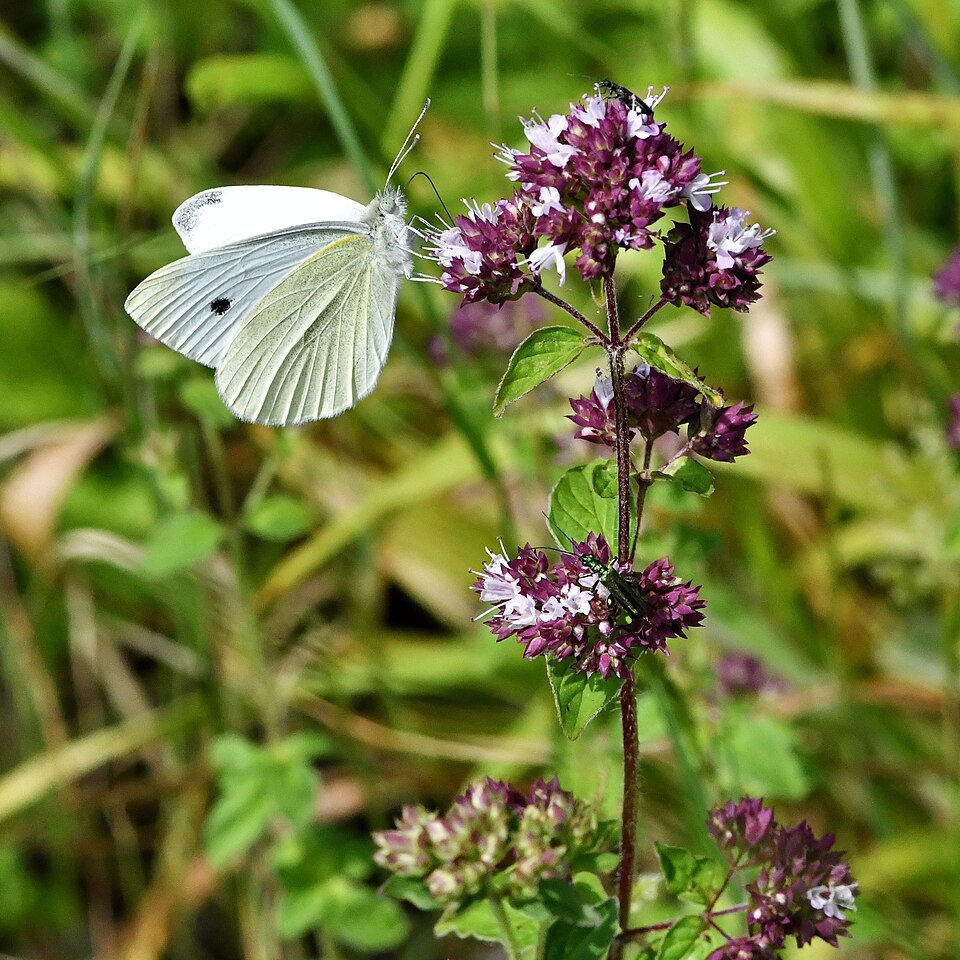
Characteristics: This is a bushy, clump-forming, sub-shrubby perennial belonging to the Mint family (Lamiaceae). It features slender, woody stems covered in small, opposite, oval leaves that are noticeably soft and velvety due to microscopic hairs. When brushed, the foliage releases a sweet, complex aroma blending notes of citrus, pine, and mild spice. In mid-summer, it produces unique, tight, knot-like green clusters from which tiny white or pale pink flowers emerge.
Pros
Elite Culinary and Medicinal Value: Highly prized globally for its sweet, herbal flavor profile, which is milder and sweeter than its close relative, oregano.
Superb Drought Resistance: Highly adapted to survival in arid conditions with minimal seasonal water inputs once established.
Pollinator Magnet: The summer flowers are exceptionally rich in nectar, actively attracting bees, butterflies, and beneficial predatory insects.
Natural Pest Deterrent: The high concentration of essential oils in the leaves helps repel common garden pests naturally.
Cons
Sensitive to Excess Winter Wet: Total structural collapse and root failure will occur if the plant is forced to sit in heavy, waterlogged winter soil.
Frost Tender in Cold Zones: Lacks the extreme cold hardiness of standard oregano and can suffer severe dieback during hard, sub-zero continental winter freezes.
Requires Regular Renewal: Can become woody, leggy, and sparse at the center after two to three years if left unpruned.
Plant Care Blueprint
Light Requirement
Full sun is mandatory. It requires maximum direct solar radiation to maximize the production of essential oils within the foliage and to maintain its compact, bushy structural form. It will quickly become weak, leggy, and lose its intense fragrance if forced into partial or full shade.
Cold Hardiness
Down to minus 5 to minus 10 degrees Celsius (23 to 14 degrees Fahrenheit). It grows reliably as a perennial in USDA Hardiness Zones 8 through 11. In colder northern zones or inland areas experiencing deep winter drops, it behaves as an annual or must be overwintered in pots under protection.
Heat Tolerance
Up to 40 to 43 degrees Celsius (104 to 110 degrees Fahrenheit). It displays elite heat resilience, shrugging off intense baking afternoon sun and low atmospheric humidity without showing signs of leaf scorch or stress.
Soil Requirement
Demands exceptional drainage. It thrives best in lean, poor, sandy, stony, or heavily chalky soil profiles. It tolerates highly alkaline soils excellently. Rich, highly fertile soils or heavy clay should be strictly avoided, as they cause rapid, flavorless growth and promote root rot.
Root Structure
Shallow, highly branched, fibrous root system supported by a woody base. The roots excel at absorbing surface moisture quickly from light rains and anchoring firmly into loose, gravelly pockets of soil.
Height & Spread
Maintains a compact, mounding form reaching a maximum height of 30 to 60 cm (12 to 24 inches) and an equal mature spread of 30 to 45 cm (12 to 18 inches).
Watering
Low water needs. Water regularly but sparingly during its first growing season to help the fibrous roots branch out. Once fully mature, it is exceptionally drought-resistant, requiring supplemental irrigation only during extended, severe summer droughts. Always allow the soil to dry out completely between watering cycles.
Regional Adaptability
In Europe, it is a quintessential component of Mediterranean, Spanish, and Italian herb gardens. In North America, it thrives across the Southwest deserts, California, and as a summer annual in northern states.
Lifespan
Perennial. A short-lived woody perennial that maintains peak productivity and structural neatness for 3 to 5 years before benefiting from division or replacement.
Flower Color
Tiny, tubular flowers ranging from pure white to soft lavender-pink, emerging from distinct green bracts.
Blooming Period
Mid to late summer (typically running from July through September).
Foliage Status
Evergreen to semi-evergreen in mild winter zones. It retains its aromatic grayish-green leaves year-round if protected from hard freezes, but enters full dormancy or dies back in cold climates.
Difficulty Level
Beginner. Once provided with maximum sun and a free-draining gravelly soil mix, it requires almost zero attention to thrive.

Propagation Methods
1. Softwood Cuttings (Most Efficient Method)
When: Late spring or early summer, when the plant is growing vigorously but before it begins forming flower buds.
How: Snip a 7 to 10 cm (3 to 4 inch) cutting from a healthy, flexible green stem tip. Strip the leaves from the bottom half, dip the base into rooting hormone powder, and insert it into a moist, highly porous medium of half coarse sand and half perlite. Keep in a warm, bright, sheltered area. Roots typically establish within 2 to 3 weeks.
2. Division of Clumps (Fastest Results)
When: Early spring, just as the fresh green shoots begin to emerge from the winter base.
How: Dig up an established, mature mound using a trowel. Gently pull or slice the woody root crown apart into smaller sections, ensuring each division has a healthy cluster of fibrous roots and several green shoots. Replant the sections immediately into sunny, well-draining locations and water lightly until settled.
3. Seed Propagation
When: Early spring.
How: Press the tiny seeds lightly into the surface of a lightweight seed trays. Do not cover them with soil, as they require light to break dormancy. Keep the mix lightly moist in a warm environment. Germination is reliable and typically occurs within 10 to 14 days.
Pro Care Tips & Secrets
💡 The Flavor and Form Cut Secret: To keep your Sweet Marjoram from transforming into a woody, floppy bush, prune the entire plant back by half its height in late spring, just before it flowers. This strategic trim removes the early wood and forces a massive explosion of dense, velvety horizontal shoots, maximizing both your kitchen harvest and keeping the plant perfectly compact.
🌧️ The Winter Shield Protocol: Because the combination of cold temperatures and damp soil is the primary killer of this Mediterranean herb, always grow it on a raised bed, a sloped bank, or surround the base of the plant with gravel mulch instead of organic wood chips. Gravel mulch reflects light back up into the foliage and ensures surface water drains away instantly from the sensitive root crown.
Editor’s Note
Editor's Note: Origanum majorana represents the ultimate crossover asset for multi-functional landscape planning. It effortlessly bridges the gap between high-value culinary production and rugged, dry-garden utility. Its outstanding performance in poor, high-pH soils combined with its soft, silver-green texture makes it a premier border plant for balancing coarser structural shrubs. Providing this aromatic perennial with absolute full sun and flawless drainage ensures a beautiful garden presence that fills the summer air with an unforgettable herbal perfume.


Comments