


The Ultimate Care Guide for Winter Jasmine (Jasminum nudiflorum)


The Golden Cascade of Sun-Drenched Winter Slopes
This comprehensive grower’s profile delivers detailed management protocols for a highly resilient, winter-blooming deciduous shrub. Exceptional for vertical slope management, cascading over retaining walls, or introducing bright floral interest during the bleakest months of the year, this rugged species provides outstanding utility in durable landscape layouts.
Introduction
Botanical Name: Jasminum nudiflorum
Common Names: Winter Jasmine, Naked-Flowered Jasmine
Native Habitat: Native to western China. It naturally thrives along rocky ravines, cliffs, and scrubby mountain slopes, which hardwires the plant to handle poor soils, high wind exposure, and severe winter frosts with absolute ease.
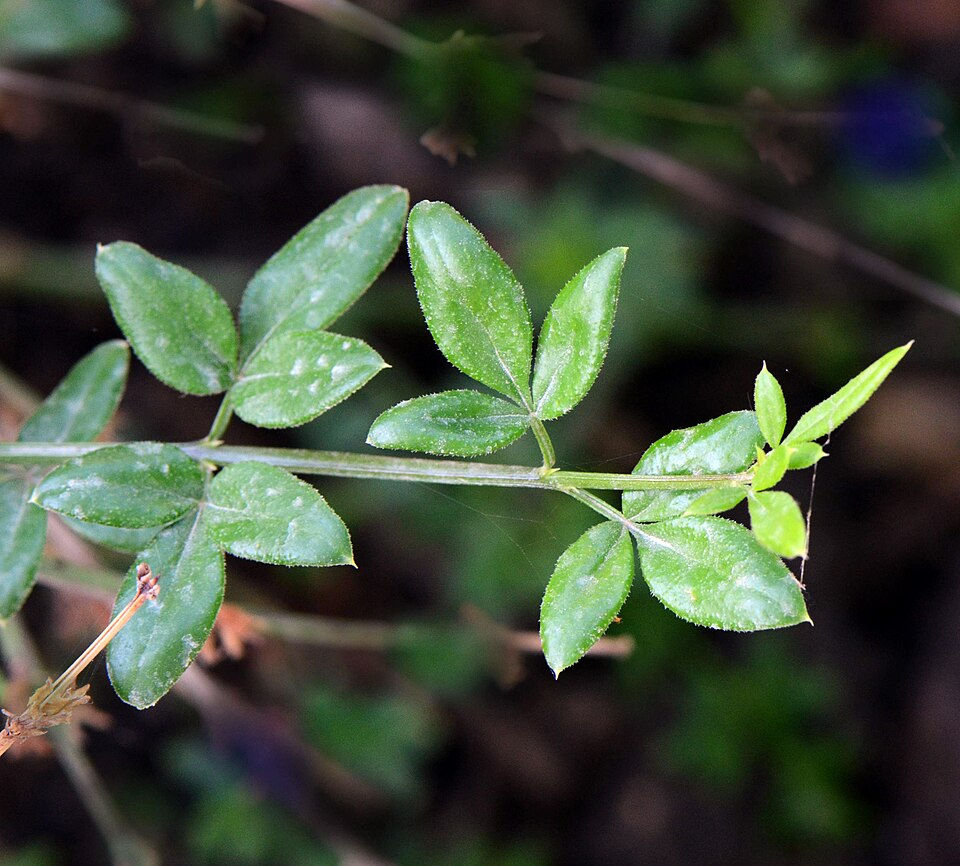
Characteristics: This is a sprawling, weeping, deciduous woody shrub belonging to the Olive family (Oleaceae). It features slender, angular, arching stems that remain a vivid, glossy green all year round, giving the plant an evergreen appearance even after it sheds its leaves. Its defining trait is its spectacular winter flowering: from mid-winter to early spring, bright yellow, funnel-shaped flowers burst into bloom directly on the bare, leafless green branches.
Pros
Elite Winter Interest: Paints the landscape with brilliant gold tones from January through March when almost all other garden plants are completely dormant.
Superb Slope Stabilizer: The arching branches root wherever they touch the soil, creating a dense underground network that binds loose banks and prevents erosion perfectly.
High Alkaline Tolerance: Shrugs off high-pH, chalky, and limestone-rich soils without showing signs of leaf chlorosis.
Unbothered by Cold Winds: Unlike true evergreen jasmines, its deciduous nature and tough wood make it completely immune to winter windburn.
Cons
Lacks Fragrance: Unlike summer-blooming jasmines, the flowers of this species are completely unscented.
Sprawling Growth Habit: Left completely unmanaged, the arching stems will form a tangled, messy mound that expands aggressively over horizontal ground.
Requires Training for Height: It cannot climb naturally on its own; it requires mechanical tying and a sturdy trellis system if grown as a vertical wall climber.

Plant Care Blueprint
Light Requirement
Full sun to partial shade. To fuel the heaviest possible production of bright yellow flowers and to maintain a tight canopy, position the shrub in full sun. It handles partial afternoon shade well, though the growth habit will become slightly more open.
Cold Hardiness
Down to minus 15 to minus 23 degrees Celsius (5 to minus 10 degrees Fahrenheit). It is exceptionally cold-hardy, comfortably handling USDA Hardiness Zones 6 through 9, and effortlessly shrugging off prolonged freezing temperatures.
Heat Tolerance
Up to 38 to 41 degrees Celsius (100 to 105 degrees Fahrenheit). It handles high summer temperatures and low air humidity excellently, provided the root zone is protected from extreme drying.
Soil Requirement
Highly adaptable but requires good drainage. It thrives in poor, sandy, stony, or heavily alkaline and chalky soil profiles. It grows successfully in clay loam as long as the site is sloped or drains fast enough to prevent stagnant waterlogging.
Root Structure
Deep, fibrous, and extensively branched root system supported by a woody crown. Additionally, any arching stem that makes firm contact with moist soil will quickly develop adventitious roots, creating an efficient surface-binding network.
Height & Spread
Grown as a freestanding weeping shrub, it forms a mound 1.2 to 1.5 meters (4 to 5 feet) tall with a spread of 2 to 3 meters (6 to 10 feet). If tied and trained upward against a sturdy wall trellis, it can easily reach a vertical height of 3 to 4.5 meters (10 to 15 feet).
Watering
Low to moderate water needs. Water regularly during its first growing season to encourage deep root penetration. Once fully established, it is highly drought-tolerant, requiring supplemental irrigation only during extended, severe summer droughts.
Regional Adaptability
In Europe, it is a classic component of continental, coastal Atlantic, and Mediterranean garden layouts. In North America, it adapts perfectly across the West Coast, the Southwest, and the mid-Atlantic and southern states.
Lifespan
Perennial. A highly durable, long-lived woody shrub that can easily maintain its vigor and structural utility for 20 to 30 plus years with basic maintenance.
Flower Color
A bright, clean, luminous golden-yellow.
Blooming Period
Mid-winter to early spring (typically running continuously from January through March, opening even during light snow blankets).
Foliage Status
Deciduous. The small, glossy green, three-part leaves drop completely in late autumn, leaving the bare green stems exposed for the winter floral display.
Difficulty Level
Beginner. It is an incredibly forgiving, pest-free plant that requires almost no attention once planted in a well-draining spot.
Propagation Methods
1. Layering / Tip Rooting (The Easiest Method)
When: Any time during spring or summer.
How: Because the arching branches naturally want to root, simply take a low-growing green stem, pin a section firmly down against the soil using a wire peg, and cover it with a handful of earth. Keep the spot lightly moist. Within a few weeks, the buried node will form a dense, independent root system, allowing you to snip it away from the parent shrub and transplant it immediately.
2. Semi-Hardwood Cuttings (Most Reliable for Mass Production)
When: Late summer, when the active green stems are beginning to mature and firm up at the base.
How: Snip a 10 to 15 cm (4 to 6 inch) cutting from a healthy stem tip. Strip the lower leaves, dip the base into rooting hormone powder, and insert it into a moist, porous propagation mix of sand and perlite. Keep in a bright, sheltered spot out of direct sunlight. Roots typically establish within 4 to 6 weeks.
Pro Care Tips & Secrets
💡 The Hard Renewal Pruning Secret: Winter Jasmine produces flowers exclusively on the fresh green wood created during the previous growing season. If you leave the shrub unpruned, it will quickly turn into a messy, bare tangle of old brown wood that only blooms at the very outer tips. To keep it compact and bursting with gold, prune the entire plant hard in spring, immediately after the winter flowers fade. Cut old stems back to a strong bud or close to the ground to trigger a massive flush of vigorous, flowering green canes.
🧱 The Retaining Wall Protocol: When planting this species to cascade over a dry stone wall or concrete bank, position the root crown 30 cm back from the edge of the wall. This prevents the hot, exposed masonry from baking the main root network during summer heat waves, allowing the foliage to cascade down smoothly and remain lush and healthy.
Editor’s Note
Editor's Note: Jasminum nudiflorum is an exceptional structural tool for adding vital winter color to sustainable landscapes. Its rare capacity to turn bare winter slopes or bare masonry walls into a cascading waterfall of golden blossoms makes it far superior to standard, winter-dormant shrubs. When provided with full sun and managed with systematic spring pruning, this incredibly robust native delivers high aesthetic rewards with a near-zero irrigation budget.


Comments