


The Zero-Irrigation Masterclass: Treasure Flower (Gazania rigens)


Injecting High-Intensity Color Into Sun-Baked Borders
Designed for low-intervention landscapes, this detailed structural breakdown covers Treasure Flower (Gazania rigens). If you are battling poor soils, facing high-pH limestone conditions, or seeking a permanent structural solution for continuous summer heat waves, this resilient, low-growing asset delivers a massive return on investment with near-zero maintenance.
Introduction
Botanical Name: Gazania rigens (syn. Gazania splendens)
Common Names: Treasure Flower, Gazania, Clump Gazania
Native Habitat: Native to the coastal dunes, rocky hillsides, and low-rainfall grasslands of South Africa. This harsh, arid evolutionary background hardwires the plant to handle blistering solar radiation, poor sand or gravel profiles, and severe seasonal droughts with absolute ease.
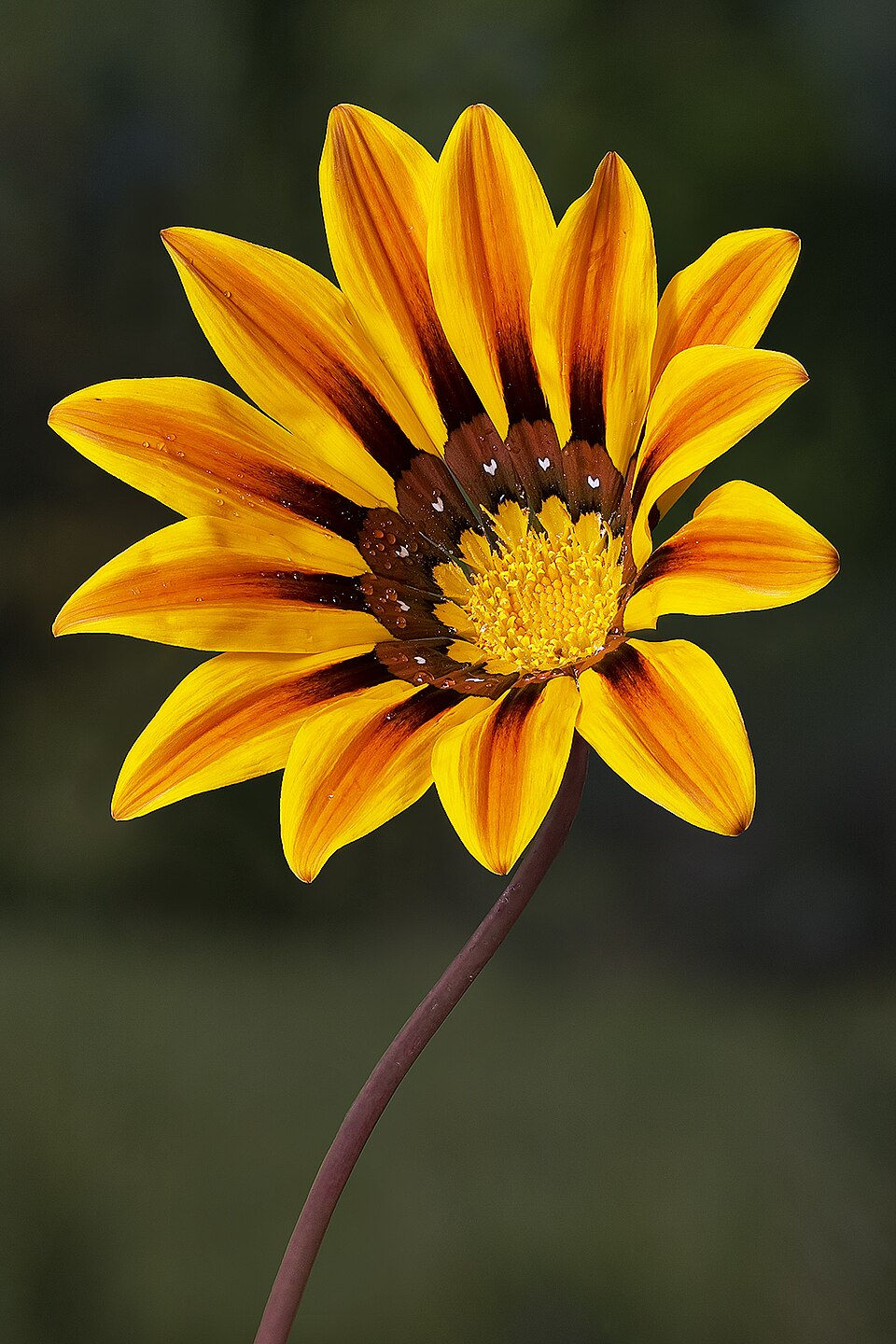
Characteristics: This is a low-growing, clumping or trailing perennial herbaceous plant belonging to the Aster family (Asteraceae). It forms a dense, neat basal rosette of leathery, lance-shaped leaves that are glossy dark green on top and striking silver-white underneath. From mid-spring through late autumn, it pushes up short, sturdy stems bearing large, daisy-like flower heads. The petals feature dazzling, high-contrast rings and dark spots around a central disc, opening wide only in direct sunlight and closing tight on cloudy days or at night.
Pros
Elite Drought Endurance: The thick, fibrous root system and leathery leaves store moisture efficiently, surviving weeks of blistering heat with no supplemental water.
Outstanding Ground Cover: Forms a dense, weed-suppressing mat that locks down loose soils on slopes and sunny terraces.
High Alkaline and Salt Champion: Performs flawlessly in lean, gravelly, high-limestone, or salt-heavy coastal environments without showing stress.
Relentless Flower Production: Keeps pushing a steady succession of high-saturation blooms from spring until the arrival of heavy winter frosts.
Cons
Zero Bloom Output in Shade: The flowers require direct, intense sunlight to open; they remain completely closed in shade, heavy overcast, or evening hours.
Tender to Deep Continental Freezes: Naturally loses its perennial status and acts as a single-season annual in regions with prolonged, severe sub-zero winters.
Highly Vulnerable to Winter Wet: Standing water or heavy, poorly draining organic mulches will rapidly rot the crown and cause total plant collapse.
The Field Performance Profile
Light Requirement
Absolute full sun is mandatory. It requires a minimum of six to eight hours of direct daily solar radiation to expand its blossoms and maintain its dense, compact mat form. Any placement in partial shade will cause leggy foliage and failure to bloom.
Cold Hardiness
Down to minus 1 to minus 5 degrees Celsius (30 to 23 degrees Fahrenheit). It is a tender perennial comfortably hardy in USDA Zones 9 through 11. In colder inland or continental climates, it is grown either as a warm-season annual or overwintered indoors.
Heat Tolerance
Up to 40 to 45 degrees Celsius (104 to 113 degrees Fahrenheit). It displays elite heat resistance, shrugging off baking afternoon sun, low atmospheric humidity, and hot winds without showing signs of leaf scorch.
Soil Requirement
Demands exceptional drainage. It prefers poor, lean, sandy, gravelly, or stony soil profiles with a neutral to highly alkaline pH. It thrives in high-limestone and low-fertility environments. Dense clay or organic-heavy soils must be avoided entirely.
Root Structure
A tough, dense, highly efficient fibrous root system that expands laterally to lock into rocky pockets and intercept brief surface moisture from light rains.
Height & Spread
Maintains a very low, neat, carpet-like profile reaching a vertical height of only 15 to 25 cm (6 to 10 inches) and a mature lateral spread of 30 to 45 cm (12 to 18 inches) per clump.
Watering
Low water needs. Water sparingly during its first few weeks to help the fibrous roots anchor. Once established, it requires zero supplemental watering under normal conditions, surviving entirely on natural rainfall. Always allow the soil to dry out completely between watering intervals.
Lifespan
Perennial in mild winter zones; grown strictly as a warm-season annual in severe frost zones. It maintains peak structural density for 2 to 3 years before benefiting from division or replacement.
Flower Color
An incredibly vivid, metallic palette including bright golden-yellow, fiery orange, bronze-red, pink, cream-white, and complex striped bi-colors, usually decorated with a dark brown or black ring around the central eye.
Blooming Period
Mid-spring to late autumn (typically running continuously from May through October or November, until the first hard freeze).
Foliage Status
Evergreen in frost-free zones. The leathery, silver-backed leaves remain structured and active through mild winters, turning brown only when hit by a true killing freeze.
Difficulty Level
Beginner. Once tucked into a sun-baked, free-draining gravel or sand pocket, it requires zero routine maintenance to look spectacular.

Propagation Methods
1. Basal Division of Clumps (The Fastest Method)
When: Early spring just as fresh growth starts, or early autumn in mild winter areas.
How: Dig up an established, mature clump with a trowel. Because Gazania naturally forms separate rosettes at the base, gently pull or slice the crown sections apart. Ensure each new division retains a healthy portion of the fibrous root system and a clean leaf fan. Replant immediately into sunny, gravelly pockets.
2. Seed Propagation
When: Early spring indoors, or late spring direct outdoors once soils warm.
How: Sow seeds into a lightweight, free-draining starter mix, covering them lightly with 0.3 cm of soil as they require darkness to germinate. Keep barely damp in a warm, bright area. Germination occurs within 7 to 14 days, and seedlings grow rapidly into blooming-sized plants.

Pro Care Tips & Secrets
🪨 The Crushed Rock Mulch Strategy: To guarantee your Gazania survives wet seasonal transitions without rotting at the base, never surround the crown with organic wood chips, compost, or bark. Instead, clear a small ring around the base and apply a 3 cm layer of crushed limestone or pea gravel. This ensures water slips away instantly from the lower leaves and reflects vital solar heat back up into the flower buds.
✂️ The Late-Season Refresh Cut: While Gazania is highly self-sufficient, a heavy blooming season can leave the center of the clump looking slightly loose or woody by late summer. Use sharp garden shears to trim back old flower stems and clean up dead lower leaves at the end of August. This simple cleanup forces an immediate flush of crisp, fresh silver-backed foliage and a final, heavy wave of autumn flowers.
Landscape Vision
Gazania rigens represents the absolute peak of high-saturation color efficiency and ground-management durability in sustainable garden design. Its unique combination of low, carpet-like geometry, intense heat endurance, and continuous flowering capacity makes it far superior to high-maintenance bedding annuals. When positioned on absolute sun-baked slopes, provided with poor, rocky soil, and protected from standing winter wet, this resilient South African native rewards the grower with an unforgettable, non-stop tapestry of brilliant color until the very end of the warm season.


Comments