


Ultimate Catmint Care Guide (Nepeta)


The Feline Magnet:
Introduction
Scientific Name: Nepeta x faassenii (commonly known as Faassen's Catmint)
Native Habitat: Hybrids of species native to broad regions across Southern Europe, the Mediterranean, and Central Asia.
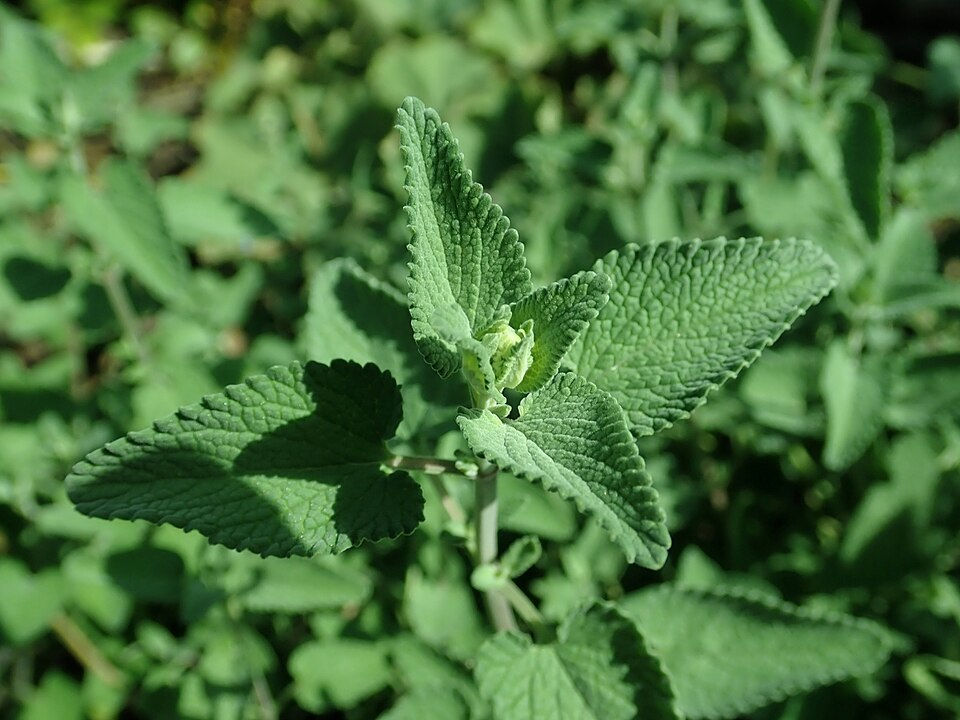
Characteristics: Catmint is a tough, clump-forming, aromatic perennial belonging to the mint family. It forms a dense, cascading mound of scalloped, grayish-green leaves that release a pleasant, herbal, minty-citrus scent when bruised. From late spring onwards, it produces an absolute cloud of tiny, tubular, lavender-blue flowers on airy spikes that veil the foliage.
The Pros
Catmint is one of the most hardworking, long-blooming perennials you can introduce to a low-maintenance landscape. It is highly drought-tolerant once established, thrives in poor soils, and laughs off intense summer heat. In ecological gardens, it acts as a supreme magnet for honeybees, bumblebees, and butterflies. Thanks to the aromatic essential oils in its leaves, it is exceptionally resistant to deer, rabbits, and destructive garden pests.
The Cons
While Nepeta x faassenii is well-behaved, certain heirloom or wild species can self-seed aggressively and spread out of bounds if not monitored. Also, because it contains nepetalactone, it can attract neighborhood cats who might roll on, flatten, or dig around younger plants. In overly rich or damp soils, the stems quickly lose their structural integrity, causing the center of the mound to flop open layout-wise.
Plant Care Essentials
Light Requirements
Absolute full sun. It performs best with at least 6 to 8 hours of direct, unfiltered sunlight daily. It can manage in very light afternoon shade, but too much shade causes the plant to stretch, grow leggy, and significantly reduces the spectacular flower show.
Cold Hardiness
Down to -30 C (-22 F). It is remarkably winter-hardy, comfortably surviving cold conditions across USDA Zones 3 through 9, dying back completely to the ground in winter and returning with fresh vigor in early spring.
Heat Tolerance
Up to 40 C (104 F). It handles high summer temperatures and dry air beautifully, though it appreciates well-drained conditions to cope with high regional humidity.
Soil Preferences
Thrives in poor, sandy, loamy, or gravelly soils with excellent drainage. It prefers a neutral to slightly alkaline pH. It actively dislikes heavy, wet clay or highly fertile, organic-heavy soil, which ruins its compact shape.
Root System
Develops a robust, branching, and dense fibrous root system that spreads efficiently to stabilize loose soils and gather deep-ground moisture during hot dry spells.
Size & Growth
Maximum Height: 30 to 90 cm (12 to 36 inches).
Maximum Width: 45 to 90 cm (18 to 36 inches).
(Dwarf cultivars like 'Select Blue' or 'Little Titch' stay much lower, around 15 to 30 cm).
Watering
Low to moderate. Water regularly during its first season to help establish the root network. Once settled, it is extremely drought-resistant and prefers to dry out between waterings. Weekly watering during prolonged heatwaves is more than enough.
Regional Adaptability
North America: Excellently adapted and highly popular across USDA Hardiness Zones 3 through 9.
Europe: Extensively used in cottage gardens, borders, and gravel landscapes throughout continental and Mediterranean Europe (RHS Hardiness rating H7 - hardy down to below -20 C).
Lifespan
A durable, long-lived perennial. Individual clumps can thrive for many years, expanding gracefully and benefiting from being divided every 3 to 4 years to maintain peak vigor.
Flower Color
Soft lavender-blue, violet-purple, and occasionally soft pink or white depending on the specific cultivar.
Blooming Period
An incredible performer, blooming heavily from late spring through mid-summer, with continuous sporadic flowering all the way into autumn.
Foliage Status
Deciduous. The aromatic grey-green leaves will die back entirely down to the crown after a hard winter freeze before emerging fresh and crisp in early spring.
Difficulty Level
Beginner. It is virtually bulletproof, requiring no special fertilizers or tedious maintenance schedules to look fantastic.
Propagation Methods
1. Division
The absolute easiest and most successful way to propagate Catmint while maintaining the characteristics of sterile hybrids.
How-to: In early spring, just as new green growth begins to pop up, dig up an established clump with a sharp spade. Lift the root ball out and slice it clean into two or three sections, ensuring each piece has a healthy set of roots and shoots. Replant immediately and water thoroughly.
2. Softwood Cuttings
How-to: In late spring, take a 7–10 cm (3–4 inch) cutting from a fresh, non-flowering stem. Remove the leaves from the lower half, and insert it into a moist, gritty propagation mix of perlite and sand. Place it in a warm area with bright, indirect light. Roots form rapidly, usually within 2 weeks.
Pro-Tips for a Stunning Catmint
The Mid-Summer Chelsea Chop: Once the first massive flush of lavender flowers begins to fade and look a little ragged in mid-summer, use hedge shears to cut the entire plant back sharply by half or even two-thirds. This removes spent seed heads, tightens up the mound, and triggers a massive explosion of clean foliage and a heavy second wave of blooms for autumn.
Lean and Mean: Do not apply fertilizers or heavy compost amendments to your Catmint beds. Rich soil prompts rapid, weak, and floppy stem growth that splits open down the middle. Keep the soil lean, unfertilized, and dry for a perfectly balanced, upright dome.
Editor’s Note
Catmint is the ultimate unsung hero of the casual, low-input garden. It delivers the romantic, misty blue-purple aesthetic of true lavender but with twice the blooming duration and triple the hardiness. Whether planted as a soft edge along a stone pathway, a filler in a sunny gravel border, or a companion alongside roses and sage, it brings an effortless, soft-textured beauty that keeps the garden buzzing with life.


Comments