


Ultimate Creeping Juniper Care Guide (Juniperus Horizontalis)


The Evergreen Carpet:
Introduction
Scientific Name: Juniperus horizontalis
Native Habitat: Northern regions of North America, stretching across Canada and the northern United States.
Characteristics: Creeping Juniper is a prostrate, woody, evergreen coniferous shrub. It grows extremely low to the ground, forming a dense, interlocking carpet of scale-like foliage. The leaves vary from bright green to steel-blue during the growing season, and many cultivars undergo a beautiful color shift, turning rich plum or purplish-bronze during cold winter months.
The Pros
This is the ultimate living mulch and erosion control expert for difficult terrains. It is completely bulletproof when it comes to suppressing weeds once a mat forms. It possesses a stellar tolerance for wind, intense winter cold, drought, rocky soils, and urban pollution. It is ideal for stabilizing sunny banks, spilling over retaining walls, or anchoring gravel gardens. Its prickly texture and natural resins make it entirely deer and rabbit resistant.
The Cons
Creeping Juniper grows at a slow to moderate pace, requiring patience during its first couple of years to achieve full coverage. It cannot tolerate shade, which causes the dense foliage to thin out, become sparse, and lose its vibrant color. It absolutely detests poorly drained or constantly waterlogged soils, which quickly trigger fungal diseases and fatal root rot. It also does not tolerate heavy foot traffic.
Plant Care Essentials
Light Requirements
Absolute full sun. It requires a minimum of 6 to 8 hours of direct, unobstructed sunlight daily to maintain its tight, dense growth pattern and vivid steel-blue or green color. Any degree of shade will cause the branches to stretch out bare and lose their carpet-like efficiency.
Cold Hardiness
Down to -40 C (-40 F). It is exceptionally cold-hardy, thriving comfortably down to USDA Zone 3. It survives severe, freezing northern winters without requiring any protection, holding its ground under heavy snow blankets.
Heat Tolerance
Up to 38 C (100 F). It handles high summer temperatures comfortably across USDA Zones 3 through 9, provided it is grown in a well-ventilated, low-humidity environment.
Soil Preferences
Thrives in poor, sandy, gravelly, rocky, or dry soils with sharp, flawless drainage. It adapts well to a wide range of soil pH, from acidic to alkaline, and performs best in low-fertility terrains where other plants struggle to anchor.
Root System
Develops an expansive, shallow, and highly fibrous root system that spreads horizontally beneath the creeping branches. This architecture makes it an elite choice for holding loose, sloping soils together and preventing wind or water erosion.
Size & Growth
Maximum Height: 10 to 30 cm (4 to 12 inches) depending on the cultivar.
Maximum Width: 150 to 250 cm (5 to 8 feet) per plant.
(Forms a very wide, flat, and slow-spreading evergreen mat).
Watering
Low. Water regularly during its first growing season to encourage the wide root system to establish itself. Once settled, it is highly drought-resistant and prefers to remain dry. Supplemental watering is rarely needed unless experiencing an extreme, months-long drought.
Regional Adaptability
North America: Excellently suited across USDA Hardiness Zones 3 through 9, from cold northern slopes to sunny western landscapes.
Europe: Highly valued across Northern, Central, and Eastern Europe, as well as dry coastal or alpine rock gardens (RHS Hardiness rating H7 - hardy down to below -20 C).
Lifespan
A highly durable, long-lived woody perennial shrub. Once established, individual plants can thrive for decades, maintaining their dense evergreen structure with almost zero decline in quality.
Flower Color
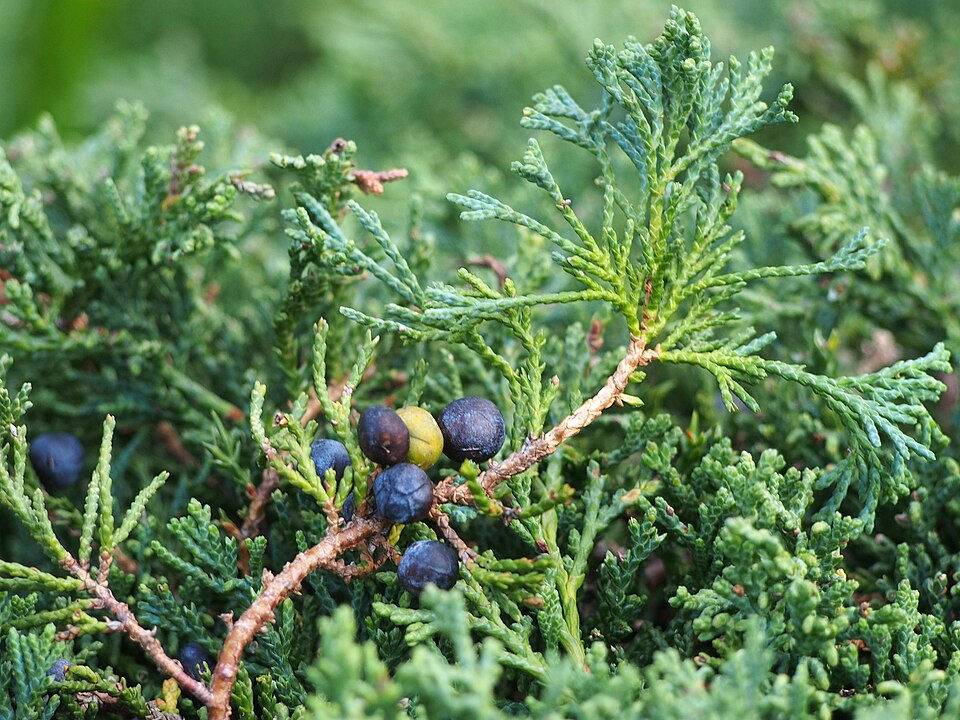
Inconspicuous. As a conifer, it does not produce true flowers. Instead, female plants produce small, berry-like seed cones that turn an attractive glaucous blue-black as they mature over two years.
Blooming Period
Non-applicable. It provides year-round interest strictly through its textured foliage and small blue cones.
Foliage Status
Evergreen. The scale-like needles remain intact on the sprawling branches all twelve months of the year, providing reliable winter structure and color.
Difficulty Level
Beginner. Plant it in a sunny, dry location with well-drained soil, and it requires virtually zero maintenance or intervention.
Propagation Methods
1. Layering
The easiest and most natural propagation method for Creeping Juniper, as its sprawling branches naturally trail flat against the earth.
How-to: In spring or early autumn, look for a healthy, flexible branch that is already in contact with the ground. Gently nick the bark on the underside of a stem section, press it into the soil, and pin it down with a landscape wire staple. Cover the pinned section with a mix of sandy soil. Over several months, the branch will produce independent roots at that node. Once firmly rooted, snip it away from the parent plant and transplant it.
2. Semi-Ripe Cuttings
How-to: In late summer or early autumn, take a 10–15 cm (4–6 inch) cutting from a healthy stem tip, ensuring you include a small "heel" of older woody wood at the base. Strip the lower needles, dip the base in rooting hormone, and insert it into a gritty propagation medium of coarse sand and perlite. Place it in a cold frame or a bright, indirect location. Junipers root slowly, often taking several months to establish firm roots.
Pro-Tips for a Stunning Creeping Juniper
Hands-Off Pruning: Creeping Juniper does not require regular pruning and actually looks best when left to find its natural shape. If branches begin to grow over sidewalks or encroach on neighboring plants, carefully trim the tips back. Always clip individual stems back to a branch fork to hide the cut, and never cut back into old, bare brown wood, as it will not produce new green needles.
The Smart Mulch Start: When planting young Creeping Junipers to act as a groundcover, apply a clean layer of gravel or bark mulch around them. This suppresses weeds while the slow-growing juniper branches expand to seal the canopy, saving you hours of weeding work in the initial years.
Editor’s Note
There is an understated brilliance to Juniperus horizontalis. It acts as the structural anchor of a garden, transforming bare, stony slopes or difficult gravel edges into a lush, flowing river of steel-blue texture. Its ability to shift into deep plum tones during the coldest winter days ensures that your landscape remains dynamic and visually intriguing even when the rest of the garden is buried in snow. It is the perfect low-input, high-reward evergreen for any modern garden kütüphanesi.


Comments