


Ultimate Lantana Care Guide (Lantana camara)


The Sun-Drenched Kaleidoscope:
Introduction
Scientific Name: Lantana camara
Native Habitat: Tropical regions of the Americas, including Central and South America and the Caribbean.
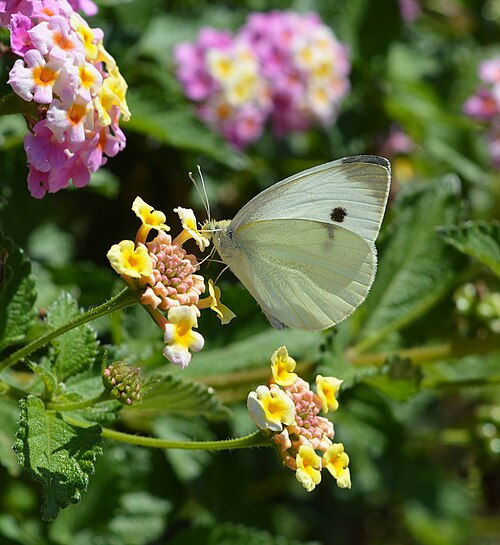
Characteristics: Lantana is a resilient, fast-growing, woody-based shrub celebrated for its rounded flower clusters. These flowers uniquely change color as they mature, creating a striking multicolored, neon effect on a single plant. The foliage is rough, sandpaper-like, and releases a strong, pungent citrus aroma when bruised.
The Pros
Lantana is an absolute powerhouse for hot, sunny landscapes where other flowers scorch. It is highly drought-tolerant once established and blooms relentlessly from spring until the first frost. For ecological and wildlife-focused gardens, it is a premier nectar provider, drawing in an endless parade of butterflies, bees, and hummingbirds. Its unpalatable texture and strong essential oils also make it completely resistant to deer and rabbits.
The Cons
The primary drawback is its sensitivity to freezing temperatures, forcing it to behave as an annual in colder climates. Its naturally vigorous, spreading habit can become invasive in consistently warm, frost-free tropical ecosystems. Additionally, all parts of the plant—especially the unripe blue-black berries—are toxic to pets and livestock, and the rough foliage can cause mild skin irritation upon direct contact.

Plant Care Essentials
Light Requirements
Unfiltered, absolute full sun. Lantana demands at least 6 to 8 hours of direct sunlight daily. Planting it in shaded positions dramatically reduces the flower count, slows growth, and makes the plant susceptible to fungal leaf diseases.
Cold Hardiness
Down to -2 C (28 F). It behaves as a reliable perennial in warm climates but will suffer severe top-dieback or drop its leaves when exposed to light frost. In regions with freezing winters, it is grown strictly as a summer annual.
Heat Tolerance
Up to 45 C (113 F). It genuinely thrives in blistering, baking summer heat and handles high humidity exceptionally well, maintaining peak flowering performance during the hottest months of the year.
Soil Preferences
Highly adaptable to a wide range of soil types, provided there is excellent drainage. It prefers poor to average, sandy, or rocky soil. Extremely rich or over-fertilized soils should be avoided, as excess nutrients stimulate massive leaf production at the expense of blossoms.
Root System
Develops a robust, aggressive, and highly branching fibrous root system that spreads efficiently to capture surface moisture and anchor the sprawling shrub in poor terrains.
Size & Growth
Maximum Height: 90 to 180 cm (3 to 6 feet).
Maximum Width: 90 to 180 cm (3 to 6 feet).
(Trailing varieties stay much lower, averaging 30 to 50 cm in height with a wider spread).
Watering
Low to moderate. Water regularly after initial planting to encourage a deep, healthy root network. Once settled, it requires very little water and prefers dry intervals. A thorough watering once a week during severe drought conditions is more than sufficient.
Regional Adaptability
North America: Grows as a permanent perennial shrub in USDA Hardiness Zones 9 through 11, and as a popular seasonal annual in Zones 5 through 8.
Europe: Thrives year-round in Mediterranean and coastal southern European regions (RHS Hardiness rating H2), requiring indoor overwintering or annual replanting in Northern and Central Europe.
Lifespan
A long-lived woody perennial in tropical and subtropical zones. In temperate and cold-winter regions, it functions strictly as a short-lived, single-season tender annual.
Flower Color
A dynamic spectrum containing vivid combinations of yellow, orange, red, pink, purple, and pure white, often blending together within the exact same flower head.
Blooming Period
An exceptionally long showcase, flowering non-stop from mid-spring all the way through autumn until the first true hard frost arrives.
Foliage Status
Evergreen in frost-free tropical zones, semi-evergreen to deciduous in border zones experiencing light winter chills, and completely winter-killed in freezing climates.
Difficulty Level
Beginner. Provided it receives maximum sunlight and well-draining ground, it requires virtually no maintenance to produce a spectacular visual display.
Propagation Methods
1. Stem Cuttings
The most effective method to propagate favored cultivars while ensuring identical flower color combinations.
How-to: In mid-summer, take a 10–15 cm (4–6 inch) cutting from a healthy, firm stem tip. Remove the lower leaves and any active flower buds. Insert the stem base into a moist, lightweight mix of perlite and peat moss. Keep the cutting under bright, indirect light and maintain slight humidity. Roots will establish within 2 to 3 weeks.
2. Growing from Seed
How-to: Harvest the mature, completely black berries from the plant, extract the small seeds, and clean away the pulp thoroughly. Sow the seeds indoors 6 to 8 weeks before the last expected spring frost. Press them lightly into a damp seed-starting formula. Maintain a constant warm soil temperature, as germination can be slow and irregular, taking anywhere from 14 to 60 days.
Pro-Tips for a Stunning Lantana
The Trim and Regenerate Routine: If your Lantana begins to look woody, sparse, or slows down its flower production in mid-summer, perform a light all-over shearing. Cutting back the outer branches by one-third removes developing seed pods, redirects the plant's energy, and rewards you with a rapid burst of fresh green growth and a heavy secondary wave of blooms.
Avoid the Fertilizer Trap: Do not treat Lantana to heavy doses of plant food or rich compost. High nitrogen levels cause the plant to grow wild, soft, and completely green, drastically shutting down the iconic flower clusters. Keep the soil lean and unfertilized for the brightest color show.
Editor’s Note: Lantana brings an unrivaled, joyful energy to sunny garden spaces. Its ability to undergo dramatic color shifts day by day creates a living canvas that keeps the landscape dynamic and fresh. When planted intentionally along sunny borders, retaining walls, or open banks, it easily transforms difficult, heat-stressed zones into a bustling sanctuary for local wildlife.


Comments