


What Are Perlite, Vermiculite, and Pumice? What Are They Used For? What Are Their Alternatives?
Demystifying Soil Amendments: Perlite, Vermiculite, Pumice, and Sustainable Alternatives
In soil blending and container gardening, materials such as perlite, vermiculite, and pumice are broadly classified as soil amendments or growing media components. Each ingredient possesses a distinct functional "superpower," and choosing the correct component based on your plants' moisture and aeration needs is essential for root health.
Here is a definitive guide to understanding these essential minerals and their practical applications:
1. Perlite (Expanded Volcanic Glass)

Perlite is formed by heating volcanic glass to extreme temperatures until it expands like popcorn. It is ultra-lightweight, bright white, and highly porous.
Primary Function: Drainage and Aeration.
How It Works: Rather than retaining significant moisture, perlite creates physical air pockets throughout the soil matrix, allowing water to drain rapidly while ensuring roots receive oxygen.
Ideal Applications: Cacti, succulents, seed-starting mixes, and loosening heavy clay or compacted soils.
Disadvantages: Extremely lightweight—it tends to float to the soil surface during watering. Additionally, breathing in dry perlite dust can be harmful to lungs, so moistening it before handling is recommended.
2. Vermiculite (Expanded Mica-Like Mineral)
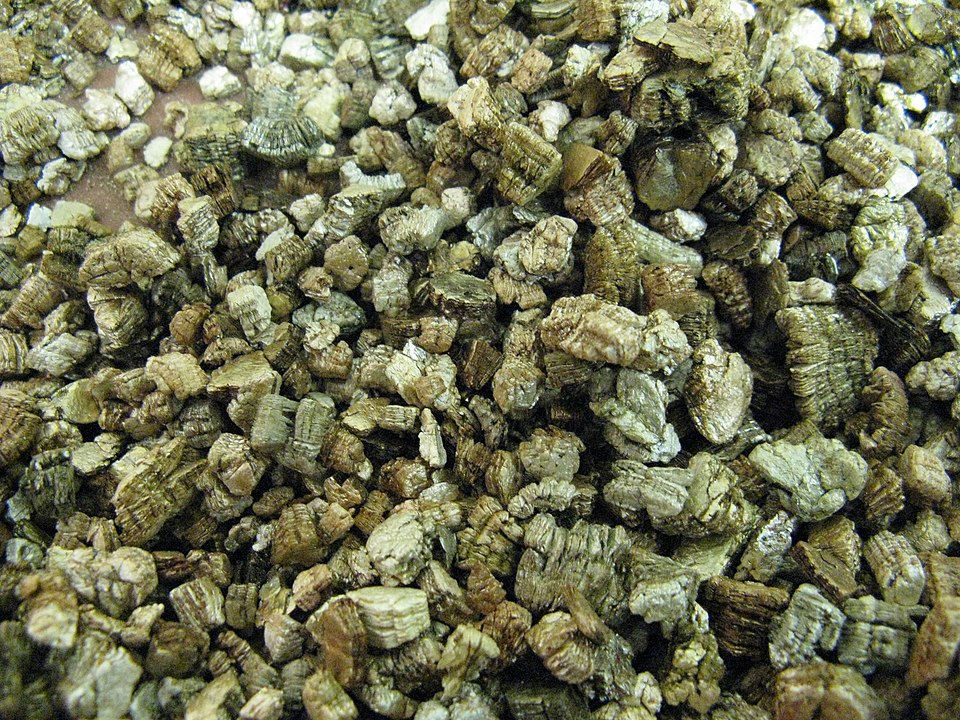
Vermiculite is a hydrous phyllosilicate mineral that expands significantly when subjected to heat. It presents as shiny, accordion-like, spongy flakes.
Primary Function: Water and Nutrient Retention.
How It Works: Can absorb 3 to 4 times its weight in water. It also possesses a high Cation Exchange Capacity (CEC), holding onto key nutrients (like potassium and magnesium) and releasing them slowly to roots over time.
Ideal Applications: Seed germination, moisture-loving tropical plants (e.g., ferns, peace lilies), and dry climates where soil dries out too quickly.
Disadvantages: Does not provide fast drainage like perlite. Excessive use can cause potting soil to become overly waterlogged.
3. Pumice (Volcanic Rock)

Pumice is a naturally occurring, porous volcanic rock. Think of it as a heavier, structurally rigid, and long-lasting alternative to perlite.
Primary Function: Structural Stability and Permanent Aeration.
How It Works: Unlike perlite, pumice does not break down or compact over time. It maintains permanent air spaces in the root zone without shifting.
Ideal Applications: Bonsai trees, heavy container plants, succulents, cacti, and outdoor landscape beds.
Advantages: Heavier than perlite, so it remains evenly distributed throughout the soil mix rather than floating to the top during heavy rain or irrigation.
Quick Selection Matrix: Which Component Should You Use?
For Seed Germination: Use a Vermiculite-heavy mix to maintain consistent humidity.
If Soil Feels Too Heavy/Compacted: Add Perlite to increase drainage and aeration.
For Cacti, Succulents, or Bonsai: Use abundant Pumice blended with a smaller proportion of perlite.
If Plants Dry Out Too Rapidly: Blend Vermiculite into the soil to extend intervals between watering.
Natural & Local Permaculture Alternatives
In permaculture design, procuring industrially processed minerals from distant sources requires substantial embedded energy. Utilizing locally sourced, natural alternatives lowers your carbon footprint and reduces overall input costs:
Local Aeration & Drainage Alternatives (Replacing Perlite/Pumice):
Coarse River Sand (Builder's Sand): Avoid fine play sand. Coarse, gritty river sand adds weight to pots while providing excellent structural drainage—perfect for succulents.
Crushed Nut Shells (Hazelnut, Walnut, Almond): Coarsely crushed shells create durable air pockets in the soil matrix. They decompose very slowly over years, gradually adding organic carbon back into the soil.
Small Gravel / Crushed Stone: Simple, zero-cost material for lining container bottoms or blending into potting soil to improve structural drainage.
Local Moisture Retention Alternatives (Replacing Vermiculite):
Coco Coir (Coconut Fiber): Exceptional water retention capacity that provides a soft, open texture for root expansion. It serves as a renewable, sustainable alternative to peat moss.
Untreated Wood Sawdust: Helps retain soil moisture. Caution: Raw, uncomposted sawdust can temporarily tie up soil nitrogen as it breaks down. Always use well-aged/composted sawdust or apply in small quantities.
Raw Sheep's Wool: Unwashed sheep's wool placed at the bottom of containers acts as a natural sponge—retaining moisture while slowly releasing organic nitrogen as it decomposes over time.


Comments