


What is Living Mulch? Why is it Essential for the Soil?

Living Mulch: Soil’s Living, Breathing Blanket
Static (dead) mulches like straw or wood chips are fantastic, but when you want to take your permaculture design a step further, we turn to Living Mulch. This technique involves filling the open ground beneath your main crops with low-growing, spreading plants that safeguard the soil while actively adding ecological value to it.
Why Choose Living Mulch?
While dry mulches decompose over time and require continuous reapplication, living mulch is a self-renewing, dynamic system that grows continuously and actively participates in the ecosystem. Through its living root network, it mines minerals from deep within the subsoil and keeps subterranean fungal networks (mycelium and beneficial bacteria) thriving year-round.
Top Plant Choices for Living Mulch
Clover & White Clover (Trifolium repens): As members of the legume family, they harvest atmospheric nitrogen and fix it directly into the soil—acting as a free, built-in fertilizer factory for your main crops.
Nasturtium (Tropaeolum majus): Offers vibrant, edible blossoms while serving as a classic "trap crop" that lures harmful pests away from your primary plants.
Creeping Thyme & Rosemary (Prostrate Varieties): Their aromatic foliage confuses garden pests, thrives on minimal water, and forms a dense, protective carpet over bare earth.
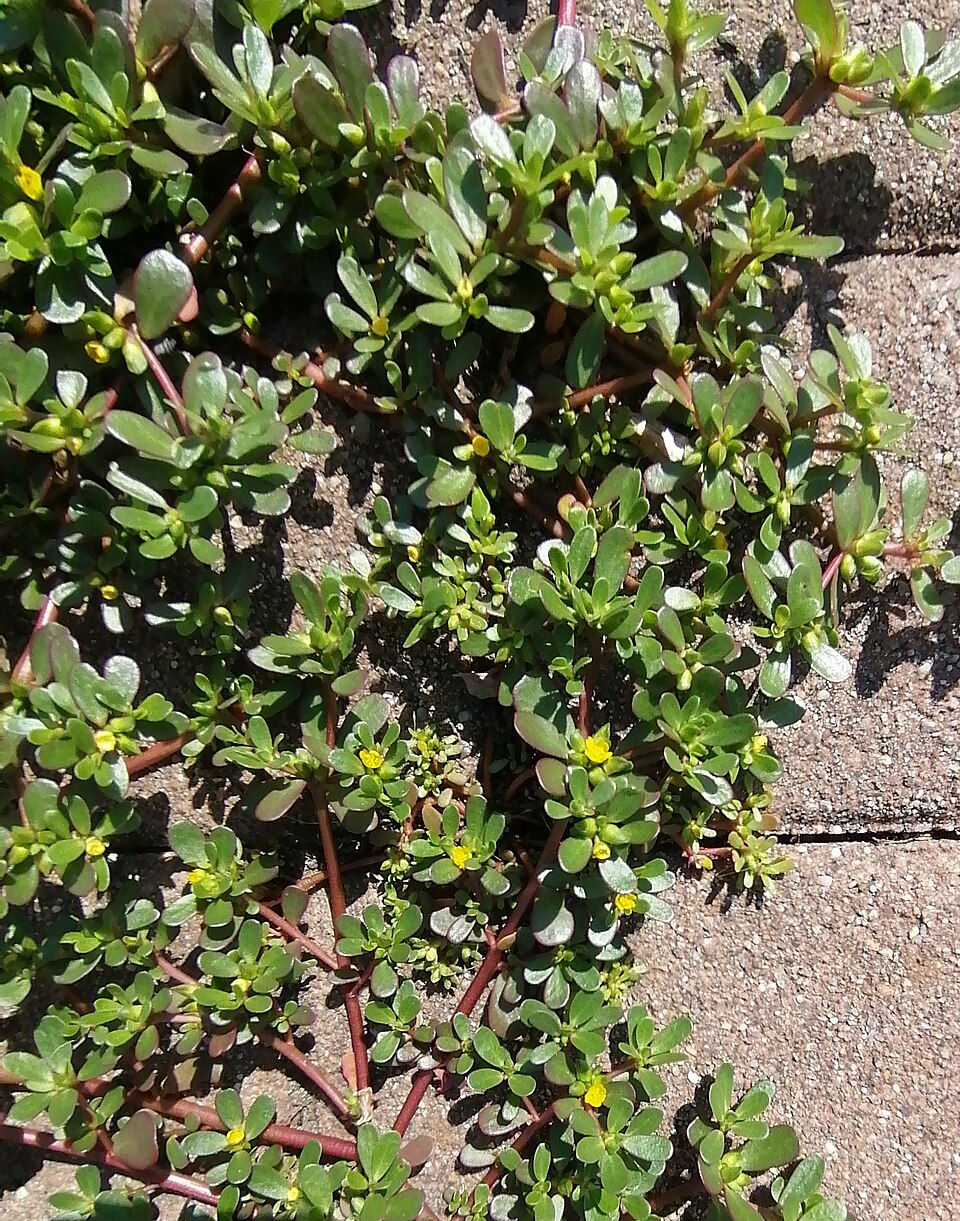
Purslane (Portulaca oleracea): If this pops up spontaneously in your garden, don't yank it out as a weed! It makes an exceptional living mulch that shades and cools the soil—and provides a crisp, nutritious salad for dinner.

Pros and Cons of Living Mulch
Pros:
Continuous Soil Enrichment: Supplies an ongoing stream of organic matter and fixed nitrogen directly into the root zone.
Pollinator Haven: Creates a vibrant ecosystem attracting bees, butterflies, and beneficial predatory insects.
Visual & Structural Depth: Adds lush, multi-layered aesthetic beauty and structural complexity to your garden beds.
Cons:
Nutrient & Water Competition: If the wrong plant species is chosen, it may compete directly with your primary crop for soil moisture and nutrients.
Overgrowth Risk: Unchecked growth can shade out young or low-growing primary crops (which is why selecting low-stature, non-aggressive species is critical).
Editor's Note & Pro Tips: Keep these expert strategies in mind when establishing living mulch in your garden:The "Chop and Drop" Technique: If your living mulch (such as clover or alfalfa) becomes too tall, do not pull it up by the roots. Simply trim the top growth and let the cuttings drop right onto the soil surface. This "chop and drop" practice instantly combines the advantages of living cover with fresh organic surface mulch.Managing Light Access: When your primary plants are still young, delicate seedlings, make sure the living mulch doesn't crowd or shade them out. Clear a small buffer circle around the base of young transplants until they establish strong vertical growth.Root Layering Harmony: Pair shallow-rooted primary crops (like lettuce or leafy greens) with deep-rooted living mulches. By utilizing different root depths in the soil profile, your plants share space efficiently rather than competing for nutrients at the same level.Incorporating these living layers reinforces a core permaculture truth: gardening is not about managing isolated crops, but cultivating a thriving life partnership with the soil.

Life Beneath the Fruit Trees: The Living Mulch Miracle
Leaving the ground bare beneath a fruit tree pushes it into an unnatural isolation that it would never experience in the wild. In fruit production, living mulch (ground cover) creates a functional Plant Guild that shields the root zone and directly boosts fruit quality and yield.
Why Use Living Mulch in Orchards and Fruit Gardens?
A Built-In Nutrient Factory: Fruit production requires immense nutrient inputs. Planting legumes—such as alfalfa, vetch, or clover—beneath your trees pulls atmospheric nitrogen from the air and delivers it straight to the tree's root system for free.
Natural Pest Management: Living ground covers serve as an "insect hotel," attracting ladybugs and other beneficial predatory insects that naturally control aphids and spider mites—the ultimate enemies of fruit trees.
Preventing Soil Compaction: Foot traffic around fruit trees inevitably compacts the earth. The dynamic root systems of living mulch continuously aerate the soil, allowing tree roots to breathe and penetrate deeper into the earth.
Editor's Note: Transforming bare orchard floors into living, multi-layered plant guilds turns your fruit trees into resilient, self-supporting ecosystems.
The Best Living Mulch Options for Orchards & Fruit Gardens
Comfrey (Symphytum officinale): The true engine of orchard health. Its deep taproots mine potassium and trace minerals from deep within the subsoil. When you chop its leaves and drop them beneath the canopy, it provides an immediate, potassium-rich organic fertilizer for your fruit trees.
White Clover (Trifolium repens): Low-stature, foot-traffic tolerant, and an exceptional nitrogen-fixer that forms a dense, weed-suppressing carpet beneath the trees.
Mint & Thyme: Their potent aromatic essential oils mask the natural scent of the fruit tree, confusing destructive pests like the codling moth (Cydia pomonella) and keeping them at bay.
Fava Beans & Field Peas: Excellent winter green manures for young fruit saplings. Sown in late autumn and chopped down in spring, they deliver a massive surge of organic nitrogen right as the tree breaks dormancy.

Pros and Cons of Orchard Living Mulch
Pros:
Reduced Fertilizer Costs: Drastically cuts the need for commercial fertilizers by providing an ongoing supply of biologically fixed nitrogen and organic matter.
Enhanced Water Retention: Dramatically improves soil moisture-holding capacity, protecting trees from severe drought stress during scorching summer months.
Cons:
Root Competition in Young Saplings: In newly planted fruit saplings, aggressive ground covers can compete for water and nutrients. During the first 2 to 3 years, keep a clean ring directly around the root crown, establishing the living mulch further out in a wider ring.
Editor's Note: Master Class Tips for Orchards Keep these refined details in mind to maximize the performance of your orchard ground cover: Deploy Dynamic Accumulators: Fruit trees thrive on potassium and phosphorus. Utilize deep-rooting plants like Comfrey (Symphytum officinale) or Dandelion as "dynamic accumulators." Their deep taproots act like underground miners, bringing vital minerals up from the subsoil straight to your fruit tree's root zone.Mind the Root Crown (Crucial!): Never allow living mulch plants to wrap directly around the tree trunk. Maintain a clear 30 to 40 cm "ventilation zone" around the trunk to prevent fungal bark diseases and deter small rodents from gnawing on the bark.Synchronize Bloom Timing: Choose living mulch species that blossom at the same time as your fruit trees. This guarantees a steady presence of pollinating bees in your orchard. For example, establishing early-spring flowering plants under apple trees significantly improves fruit set.Master "Chop and Drop": When your living mulch becomes lush and overgrown, do not pull it out by the roots. Simply chop it down and let it drop on the soil directly within the drip line (canopy boundary) of the tree. This delivers a surge of fresh, bioavailable nutrients right when the tree needs it most.


Comments