


What is Neem oil? How is it used?


Neem Oil: The Swiss Army Knife of Organic Pest Management
Neem oil is widely regarded as the "Swiss Army Knife" of permaculture and organic horticulture. While it serves as a highly effective natural botanical treatment, its unique mode of action distinguishes it from conventional chemical insecticides.
Derived from the seeds of the Neem tree (Azadirachta indica) native to India, neem oil is far more than a simple contact killer—it functions primarily as a sophisticated biological hormone disruptor.
Why Neem Oil Is Unique: The Power of Azadirachtin
The active active compound in cold-pressed neem oil is Azadirachtin. Unlike synthetic chemical sprays, Azadirachtin does not kill target pests instantaneously upon contact; instead, it disrupts their physiological systems over several days:
Hormonal Disruption: Azadirachtin mimics growth and molting hormones, preventing larvae and nymphs from transitioning to their next developmental stage or reaching sexual maturity.
Antifeedant Action: It inhibits the pest’s feeding drive. Ingesting even tiny amounts causes insects to cease feeding on leaf tissue, eventually leading to starvation.
Reproductive Inhibition: It suppresses egg hatching and reduces fertility in mature adults, effectively breaking the pest generation cycle.
Target Spectrum: What Does Neem Oil Control?
Neem oil demonstrates efficacy against over 200 species of chewing and sucking insects, including aphids, whiteflies, mealybugs, spider mites, and thrips. Furthermore, its organic lipid compounds provide secondary fungicidal protection against soft fungal pathogens like powdery mildew and black spot.
Pro Tips for Applying Neem Oil
While neem oil is a natural input, proper formulation and timing are critical to maximizing its efficacy while protecting beneficial wildlife:
Emulsification Is Mandatory: Unrefined oil and water will not naturally combine. Before adding neem oil to water, you must pre-mix it with a few drops of pure liquid castile soap or natural potassic soap. The soap acts as an emulsifier, allowing the oil to disperse evenly throughout the water rather than floating on top and clogging spray nozzles.
Protect Pollinators: Although organic, neem oil spray should never be applied directly to open flowers during peak daylight hours. Direct contact with wet spray can harm honeybees and native pollinators. The Golden Rule: Spray exclusively at dusk. By sunrise, the liquid spray dries completely, leaving an active residue that targets only plant-munching pests without harming foraging pollinators.
Systemic Absorption: One of neem oil's most remarkable features is its systemic potential. When applied as a mild root drench, roots absorb the compound and transport it through the vascular tissue, rendering the entire plant unpalatable to foliage-eating insects.
Freshness Limits: Prepared neem oil emulsions degrade rapidly once mixed with water due to hydrolysis. Mix only the volume you intend to use immediately; active Azadirachtin compounds begin breaking down within 8 hours of dilution.
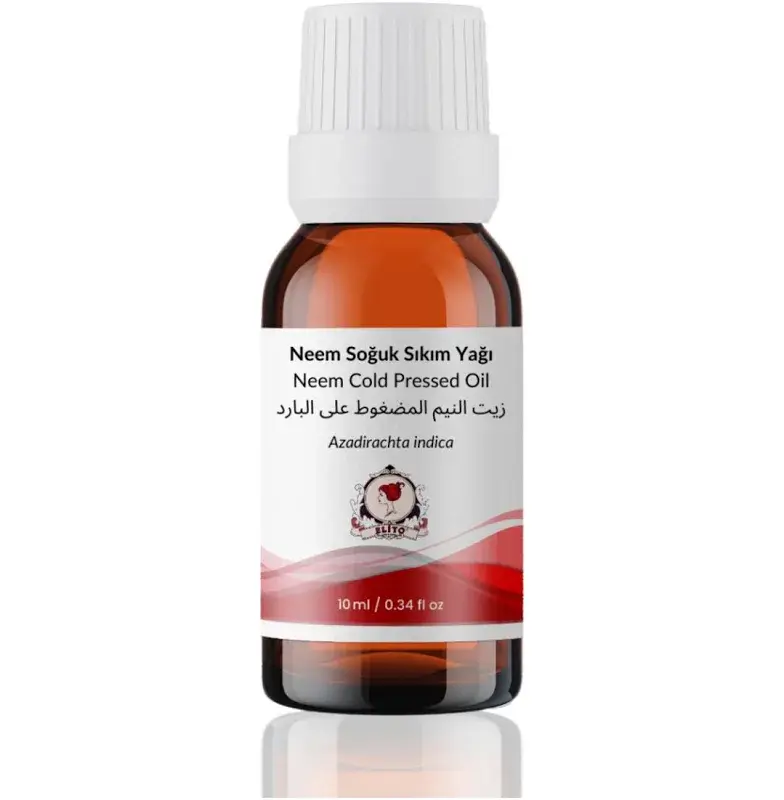
Source Unrefined, Cold-Pressed Oil: Always purchase 100% Unrefined, Cold-Pressed Neem Oil. High-heat extraction processes degrade the concentration of active Azadirachtin, drastically reducing its botanical effectiveness.


Comments