


WHAT is Permaculture?
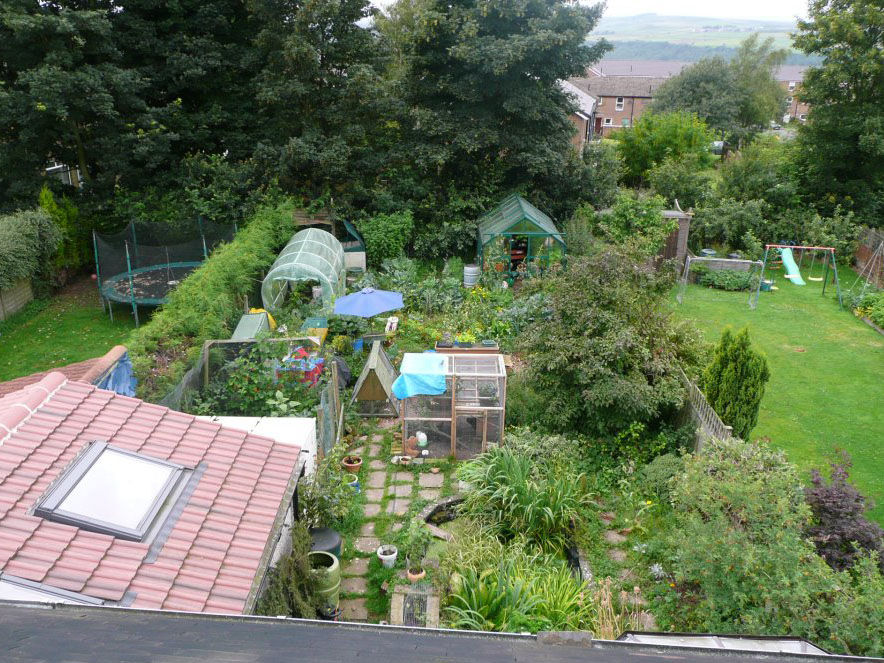
Not Fighting Nature, but Bringing Nature to Your Garden: Permaculture
Permaculture was born from the combination of the words "Permanent Agriculture" and "Permanent Culture." Developed in the 1970s by Bill Mollison and David Holmgren, this system is not merely a farming technique, but an ethical design framework modeled directly after natural ecosystems.
The Philosophy: It is rooted in working with nature rather than against it—observing natural patterns and creating closed-loop systems where every component (water, soil, plants, animals, human beings) provides mutual benefits. It operates under the guiding principle: "The problem is the solution."
The Three Core Ethics of Permaculture
All permaculture practices are built upon these three unshakable pillars:
Earth Care: Protecting and regenerating the soil, water, forests, and all living systems.
People Care: Designing systems that allow people to access basic needs—such as food, shelter, and health—rooted in community solidarity.
Fair Share & Setting Limits: Reinvesting surplus resources (time, money, energy) to support the first two ethics, limiting overconsumption, and returning any excess back into the system.

Permaculture Design Principles
You can present these principles on your website as a project "roadmap":
Observe and Interact: Before planting a single sapling, observe the land, wind, and sunlight patterns for at least a full year.
Catch and Store Energy: Harvest rainwater (via cisterns or ponds), utilize solar energy, and enrich the soil with carbon through mulching.
Obtain a Yield: Ensure your design yields a tangible, sustainable output (food, firewood, well-being) rather than just aesthetic value.
Apply Self-Regulation & Accept Feedback: Recognize system flaws and allow nature to self-correct without immediate, heavy-handed intervention.
Use & Value Renewable Resources: Replace synthetic chemical fertilizers with green manures (like alfalfa) or organic compost.
Produce No Waste: Nature knows no "waste"—every byproduct serves as raw material for another system (e.g., Kitchen Scrap > Compost > Rich Soil).
Design from Patterns to Details: Step back to map the big picture (zones) first before choosing specific plant species.
Integrate Rather Than Segregate: Avoid monocultures; plant species in mutually supportive "guilds" rather than isolation.
The Purpose of Permaculture
The ultimate goal of permaculture is to build self-sustaining and regenerative ecosystems:
Securing food sovereignty at a local level.
Reversing the ecological degradation (erosion, desertification) caused by industrial agriculture.
Managing water resources wisely.
Boosting biodiversity to control pests biologically rather than chemically.

Core Permaculture Techniques
Mulching: Covering bare soil with straw, leaves, or cardboard to conserve soil moisture and suppress weeds.
Composting: Transforming organic waste into nutrient-dense, soil-building "black gold."
Raised Beds (Hügelkultur): Burying woody logs under soil beds to create water-retaining, slow-release nutrient mounds.
Companion Planting: Pairing mutually beneficial plants—such as planting basil alongside tomatoes to naturally repel pests.
EDİTOR'S NOTE
Nature continuously establishes self-sustaining, resilient ecosystems on its own. Humans, on the other hand, constantly push for uniformity in pursuit of maximum yield. In doing so, many of our interventions have made—and continue to make—things worse. Soils have lost their fertility, water has grown scarce, and the climate is shifting rapidly.The Permaculture and Sustainable Agriculture movements aim to shift this mindset: teaching us to achieve a better, more fertile world by working in harmony with nature rather than battling against it. Through a series of upcoming articles, I will share how to put this into practice and why it is so crucial. I hope you find it inspiring and helpful...
Editor's Note: Permaculture is not a final destination; it is an ongoing journey. Whether you manage your organic waste in a single pot on a city balcony or dedicate a corner of your garden to wild habitat, you become an active part of this vital transformation. Remember: True wisdom lies not in dominating nature, but in serving as its apprentice.


Comments