


Why is permaculture (natural farming) necessary?


Why Permaculture? The Necessity of Designing the Future
Today, our food, water, and energy systems hang by a thread. Rather than snapping this thread, permaculture aims to forge stronger, self-regenerating connections. Here are the core reasons why this design system has become an absolute necessity:
1. Soil Regeneration & Erosion Control
Modern industrial agriculture treats the soil merely as a mine, depleting it with synthetic chemicals. Every year, millions of tons of fertile topsoil are lost to erosion.
The Permaculture Solution: Permaculture avoids tilling. Instead, it continuously feeds the soil through mulching and natural green manures (such as nitrogen-fixing alfalfa). It restores the soil, viewing it not as an inert object, but as a living organism.
2. Food Security & Localization
On average, a single piece of produce travels 1,500 to 2,000 kilometers before reaching our dinner plates. This creates a massive carbon footprint and leaves us highly vulnerable to food supply disruptions during global crises.
The Permaculture Solution: By designing Food Forests and residential food gardens, permaculture enables us to grow fresh, nutrient-dense food right outside our doors, drastically reducing external dependency.
3. Water Conservation & Hydrological Management
Freshwater resources across the globe are depleting rapidly, with conventional agriculture accounting for roughly 70% of global freshwater consumption.
The Permaculture Solution: It practices water harvesting through contour swales, retention ponds, and soil moisture conservation techniques. Not a single drop of water is wasted; instead, it is cycled repeatedly through the system.

4. Preserving Biodiversity
Monoculture (planting a single crop over vast areas) drives the collapse of bee populations and beneficial insects, threatening ecological stability.
The Permaculture Solution: It builds diverse polyculture systems where multiple plant and animal species coexist. This establishes a natural balance where pests are managed biologically by birds and predatory insects rather than chemical sprays.
5. Energy Efficiency & Waste Management
Modern urban living generates staggering amounts of waste, driving severe environmental pollution.
The Permaculture Solution: It operates on the principle that "waste is simply a resource waiting to be transformed." Kitchen scraps become rich compost, and greywater from sinks is redirected to irrigate the garden—creating a truly circular lifestyle that yields maximum output with minimal energy input.
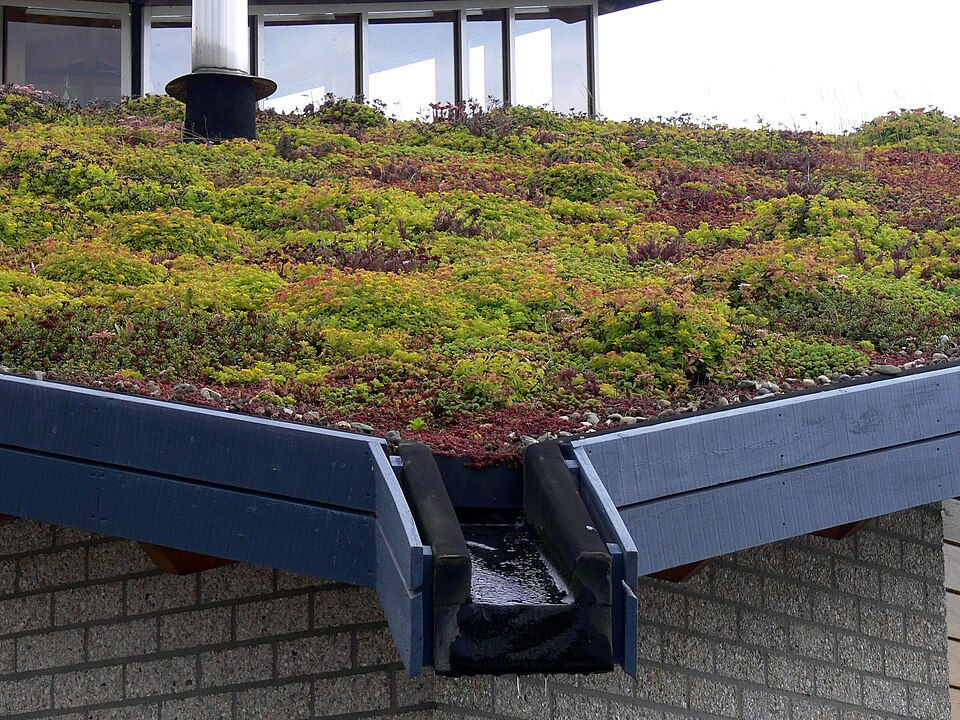
Editor's Note: The solution to all environmental crises on Earth can be found in a garden. Permaculture teaches us not merely how to survive, but how to thrive in harmony with nature’s abundance. To leave behind a repaired world rather than a depleted one for future generations, permaculture is no longer an option—it is an absolute necessity.
ADDITIONAL NOTE:
You might naturally think, "Isn't permaculture just what our grandparents used to do?" And to a large degree, you'd be right. Their approach to gardening and farming was significantly more natural, simple, and grounded.However, as we look closer, we realize that traditional methods also had their gaps and trial-and-error limitations. What we call Natural Farming or Permaculture today is precisely that: taking the clean, simple, and natural production methods of past generations and reinterpreting them through the lens of modern science and ecological knowledge.


Comments