

A Complete Guide to Glossy Abelia
- Athena
- 28 Şub
- 3 dakikada okunur
The Year-Round Elegance:
Introduction
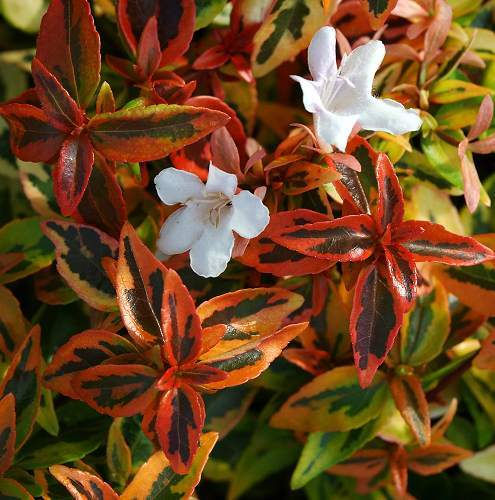
The Glossy Abelia, known scientifically as Abelia × grandiflora, is a refined hybrid shrub that bridges the gap between formal structure and wild beauty. Originally a cross between A. chinensis and A. uniflora, this plant is a testament to horticultural balance. It is famous for its shimmering, pointed leaves and dainty, bell-shaped flowers that persist long after other summer blooms have faded.
Why You Should Grow It
It is one of the most hardworking shrubs in any garden. With an incredibly long blooming season (from spring until the first frost) and foliage that changes color with the seasons, it provides constant visual interest. Plus, it is remarkably resistant to pests and deer.
Why I Might Skip It
If you are looking for a "stop-and-stare" massive floral explosion like a Hydrangea, Abelia might feel too subtle. Its beauty is in its delicate texture and consistent performance rather than one singular, dramatic show.
Plant Care Essentials
Light Requirements
For the best foliage color and maximum flowering, Full Sun is ideal. It will grow in partial shade, but you’ll lose that iconic "glossy" sheen on the leaves and the bloom count will drop significantly.
Cold Hardiness
It is hardy down to -15°C (5°F). In colder regions (USDA Zone 6), it may die back to the ground in winter but will usually regrow from the roots in spring.
Heat Tolerance
Abelia loves the heat. It performs exceptionally well in temperatures up to 38°C (100°F), provided it has established roots and occasional deep watering.
Soil Preferences
It prefers acidic, well-drained soil rich in organic matter. However, it is highly adaptable and can tolerate slightly alkaline conditions better than many other ornamental shrubs.
Root Structure
It has a multi-stemmed, spreading fibrous root system. It is not aggressive or invasive, making it safe to plant near walkways or foundations.
Size and Spread
A mature specimen typically reaches a height of 150-180 cm (5-6 feet) and a spread of 150-180 cm (5-6 feet). Compact cultivars are available for smaller spaces.
Watering
Once established, it is moderately drought-tolerant. During the first year, water once or twice a week. In peak summer, a deep soak every 7-10 days is sufficient to keep the foliage lush.
Regional Adaptability
In Europe, it is a favorite in Mediterranean and temperate climates (France, Italy, Southern UK). In North America, it thrives across the Southeast, Pacific Northwest, and California (USDA Zones 6-9).
Lifespan
This is a long-lived perennial shrub. With proper rejuvenation pruning, it can easily thrive for 20 to 25 years.
Flower Color
The flowers are a delicate creamy white to pale pink, held by persistent rosy-bronze sepals (the leaf-like structures at the base of the flower) that remain colorful even after the blooms fall.
Blooming Period
An impressive marathon runner: it blooms from Late Spring through Late Autumn.
Foliage Status
Semi-Evergreen. In warmer climates, it keeps its leaves all year. In colder zones, it may drop its leaves after they turn a beautiful bronze-purple in late fall.
Difficulty Level
Beginner. It is a "plant and enjoy" variety that forgives occasional neglect.

Propagation Methods
1. Softwood Cuttings (Summer)
Take 10 cm cuttings from new, non-woody growth in early summer. Remove the lower leaves, use rooting hormone, and keep in a humid, shaded environment until roots develop (usually 4-6 weeks).
2. Semi-Hardwood Cuttings (Autumn)
In late summer or early fall, you can take cuttings from wood that is starting to mature. These are slightly more hardy and have a high success rate when overwintered in a greenhouse or cold frame.
Pro Care Tips for Success
Pruning for Shape: Abelia blooms on "new wood" (the current season's growth). Prune it in late winter or very early spring. Don't be afraid to thin out old branches to maintain its elegant, arching habit.
The "Sepal" Secret: Don't deadhead! After the white flowers fall, the colorful pinkish sepals stay on the plant, giving the illusion that it is still in full bloom from a distance.
Editor’s Note
I often call Abelia the "polite neighbor" of the plant world. It never oversteps its bounds, smells faintly of honey, and looks elegant even on its worst day. If you want a hedge that doesn't look like a boring green wall, Abelia x grandiflora is your best candidate.