


Salvia Microphylla (Baby Sage)
- Athena

- 27 Şub
- 4 dakikada okunur
Introduction
Latin Name: Salvia microphylla
Native Habitat: Southeastern Arizona and the mountains of Mexico.
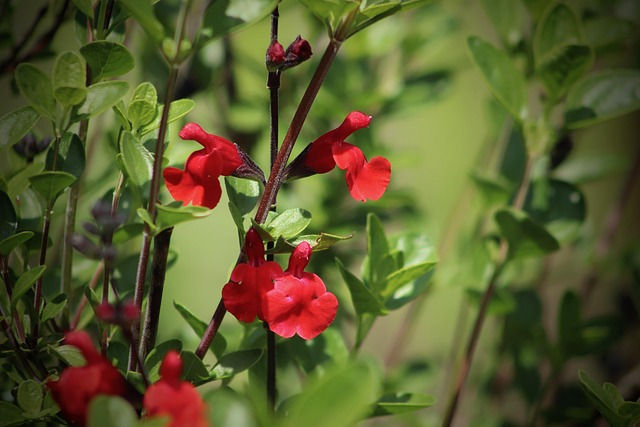
Characteristics: This is a resilient, woody-based evergreen subshrub known for its incredibly aromatic foliage—which smells like sweet blackcurrants—and its relentless display of two-lipped flowers. It is a tough-as-nails perennial that brings a wild, Mediterranean cottage-core aesthetic to any garden.
Why You Should Grow It: It is one of the longest-blooming plants you can find. It provides essential nectar for pollinators when other plants have faded, and it’s practically deer and rabbit-proof due to its scented oils.
Why I Might Skip It: If you have a very small, formal garden, its tendency to become "leggy" or sprawling might feel a bit too untidy for your taste. It also demands excellent drainage; it won't tolerate "wet feet" in winter.

Plant Care Essentials
Light Requirements This Salvia is a sun worshipper. For the most prolific flowering and a sturdy structure, place it in Full Sun. While it can handle very light dappled shade in scorching climates, too much shade will make the stems weak and floppy.
Cold Hardiness It is surprisingly hardy for a Mexican native. It can withstand temperatures down to -12°C (10°F). In regions with harsher winters, it may die back to the ground but will often resprout from the base in spring.
Heat Tolerance Extremely heat-tolerant. It thrives in temperatures up to 40°C (104°F), provided there is some air circulation. It is a champion of the "heat island" effect in urban gardens.
Soil Preferences The golden rule here is drainage. It prefers light, gravelly, or sandy soils. It can tolerate poor soil quality quite well, but heavy clay that stays wet will lead to root rot. Aim for a neutral to slightly alkaline pH.
Root System It possesses a Fibrous Root System. These roots are relatively shallow but spread efficiently to stabilize the plant and quickly absorb surface moisture from light rain.
Size and Spread Under ideal conditions, it reaches a maximum height of 100–120 cm (39–47 inches) and a width of approximately 90–100 cm (3–3.3 feet).
Watering Once established, it is highly drought-tolerant. During its first year, water regularly (once or twice a week). Afterward, only water during prolonged dry spells. Over-watering is a more common killer than under-watering.
Regional Compatibility * Europe: Thrives in Mediterranean climates (Spain, Italy, Greece) and sheltered gardens in the UK (USDA Zone 8-9).
USA: Perfect for the Southwest, California, and the Southeast (Zones 7–11).
Lifespan This is a Perennial (Woody Subshrub). With proper pruning, it can remain a productive part of your garden for 5 to 10 years or more.
Flower Color Most commonly Deep Red or Rosy Pink, though cultivars like 'Hot Lips' feature striking bi-color red and white blooms.
Blooming Period A true marathon runner! It blooms from late spring until the first hard frost in autumn.
Foliage Status In milder climates, it is Evergreen. In colder zones (Zone 7-8), it may be semi-evergreen or deciduous, dropping leaves after a heavy frost.
Difficulty Level Beginner. It is a "plant it and forget it" variety, making it perfect for those new to gardening who want high visual impact with low effort.

Propagation Methods
1. Softwood Cuttings (Most Effective) Take 10 cm (4-inch) cuttings from non-flowering stems in late spring or summer. Remove the lower leaves, dip the end in rooting hormone, and place in a gritty compost mix. They root incredibly fast—usually within 2–3 weeks.
2. Division In early spring, you can dig up older clumps and carefully divide the root ball with a sharp spade. Replant the sections immediately. This also helps rejuvenate older plants.
3. Seeds Sow seeds indoors in early spring. Do not cover them deeply, as they need light to germinate. However, keep in mind that cultivars (like 'Hot Lips') may not grow "true" to the parent plant from seed.
Pro Tips for Success
The "Chelsea Chop": Prune the plant back by a third in late spring. This encourages a bushier habit and prevents the plant from splitting open in the middle later in the season.
Spring Cleaning: Never prune hard in late autumn. Wait until you see new growth in the spring to cut back the old, woody stems. The old growth protects the crown from frost.
Don't Over-fertilize: Too much nitrogen will result in lots of green leaves but very few flowers. A light mulch of compost in spring is all it needs.
Editor’s Note
"There is something magical about Salvia microphylla on a late September afternoon. While the rest of the garden starts to look tired, this plant is just hitting its stride. If you want a garden that feels alive—literally, with the buzzing of bees and birds—this is the single best investment you can make. It’s the definition of 'resilient beauty.'"