


The Everlasting Clover: Globe Amaranth (Gomphrena globosa)
- Athena
- 2 days ago
- 4 min read

Heat-hardy annuals engineered for clover-like papery bract inflorescences, betalain pigment stability, prolonged bloom longevity, high drought tolerance, and dried floral preservation.
Alternative Names: Globe Amaranth, Bachelor's Button, Gomphréne Globuleuse (French), Kugelamarant (German), Gomphrena (Spanish)
Introduction
Botanical Name: Gomphrena globosa (Family Amaranthaceae)
Native Habitat: Native to tropical regions of Central and South America (principally Panama, Brazil, and Guatemala). It evolved in open, sun-drenched savannahs, scrublands, and disturbed lowland habitats subjected to high atmospheric temperatures, intense ultraviolet radiation, and intermittent rainfall cycles. To survive intense heat and seasonal dryness, it developed a C4 photosynthetic pathway, a stiff, fibrous stem architecture, and dry, papery floral bracts that protect the true tiny flowers from desiccation.
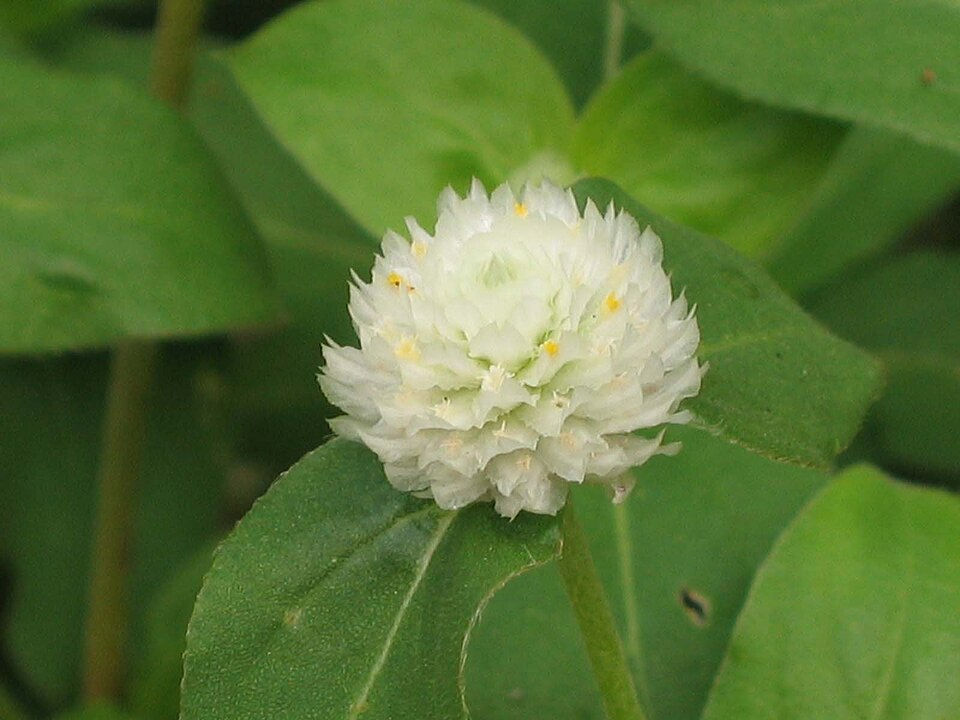
Characteristics: A warm-season annual growing 0.3 to 0.6 meter tall with an erect, stiffly branched, bushy habit. Stems are upright, swollen at the nodes, and covered in fine, appressed white hairs. Leaves are opposite, simple, oblong to broad-lanceolate (5 to 10 cm long), with hairy undersides and entire margins. From early summer until late autumn frosts, the plant produces abundant, long-stalked, clover-like globose floral heads (2 to 4 cm in diameter). What appear to be bright petals are actually stiff, papery, persistent bracts that retain their vivid magenta, purple, pink, red, orange, or white color long after the tiny, true yellow flowers inside have finished blooming.
Pros & Cons
Pros
Exceptional Heat & Drought Endurance: Thrives effortlessly through intense midsummer heatwaves without dropping flowers or wilting.
Premier Dried Flower Asset: Papery floral bracts maintain shape, structure, and vivid color indefinitely when dried, making it a cornerstone crop for everlasting floral arrangements.
Continuous Long-Season Blooming: Produces non-stop flower heads from early summer until the first killing autumn frost.
High Pollinator Attraction: Abundant nectar in tiny true flowers attracts bees, butterflies, and beneficial predatory insects throughout the season.
Cons
Frost Sensitivity: Strictly tender annual; completely intolerant of frost or prolonged cold temperatures below 5°C (41°F).
Susceptibility to Damping-Off & Root Rot: Overwatering seedling plugs or planting in poorly drained soils leads to rapid fungal decay.
Slow Early Growth: Seedlings develop slowly in early spring until soil temperatures rise above 18°C–20°C (64°F–68°F).

Field Performance & Care Profile
Light Requirement: Full solar radiation (6 to 8+ hours of direct sunlight daily). Full sun is mandatory for sturdy, self-supporting stems, compact branching, and intense bract coloration. Shade leads to weak, floppy stems and sparse blooming.
Cold Hardiness: Sensitive tender annual. Completely intolerant of frost (0°C / 32°F). Growth stalls significantly when night temperatures drop below 10°C (50°F). Cold, wet soils below 12°C (54°F) trigger root rot and severe seedling stunting. (USDA Hardiness Zones 2a–11a grown as a warm-season summer annual).
Heat Tolerance: World-class. Operates at peak photosynthetic efficiency during extreme summer heatwaves exceeding 38°C to 40°C (100°F to 104°F) in both hyper-arid and high-humidity climates without leaf scorching, flower drop, or wilting.
Soil Requirement: Unfussy regarding fertility. Thrives in sandy loams, gravel, and lean garden soils across a wide pH range (6.0 to 7.5). Demands sharp soil drainage; fails in waterlogged, heavy clay soils.
Root Structure: Deep, fibrous root system that accesses subsoil moisture during dry spells without producing invasive underground runners.
Height & Spread: Grows 0.3 to 0.6 meter tall with a spread of 0.2 to 0.4 meter (dwarf cultivars like 'Gnarly' stay under 0.25 meter).
Watering: Low to Moderate. Water regularly after transplanting until roots establish. Once established, allow the top 3 to 5 cm of soil to dry out completely between irrigations. High drought tolerance.
Regional Adaptability: Essential bedding plant, cut-flower field crop, container subject, and xeriscaping filler across warm-temperate, Mediterranean, and tropical zones.
Lifespan: Warm-season annual (completes its life cycle within one growing season).
Bract Color: Deep magenta-purple, bright pink, crimson red, fiery orange, salmon, and pure white.
Blooming Period: Early summer to late autumn (June to October/November until frost).
Foliage Status: Annual foliage (dies back at first hard frost).
Difficulty Level: Extremely Easy once established in warm soil.

Propagation Methods
Indoor Seed Sowing (Recommended Method): Sow seeds indoors 6 to 8 weeks before the last spring frost date. Soak hard-coated seeds in warm water for 24 hours prior to sowing to speed up germination. Press seeds lightly into a moist potting mix and cover thinly (seed requires slight light to germinate evenly) at 21°C–24°C (70°F–75°F). Germination occurs in 7 to 14 days. Transplant outdoors only after all frost danger has passed and soil has warmed.
Direct Outdoor Sowing: Direct sow seeds into clean, warm garden soil in late spring once ambient temperatures remain consistently above 18°C. Keep soil lightly moist until seedlings emerge.
Pro Care Tips & Secrets
To achieve "Dense Bushy Habits & High Cut-Flower Stem Counts," enforce the "Early Vegetative Pinching Rule." When young transplants reach 12 to 15 cm in height and have established 3 to 4 sets of true leaves, pinch off the terminal central growing tip. Pinching breaks apical dominance, forcing the plant to produce 6 to 8 strong lateral branches from the lower nodes, resulting in a vastly fuller plant with significantly more flower stems.
To ensure "Flawless Dried Flower Quality," apply the "Peak Color Harvest Rule." Harvest stems for drying when the globose bract heads are fully formed and vibrant, but before the lowest outer bracts at the base of the sphere begin to turn brown or drop. Bundle 10 to 15 stems with an elastic band and hang them upside down in a dark, warm, well-ventilated room for 2 to 3 weeks to preserve maximum color intensity.
To prevent "Powdery Mildew & Stem Rot," execute the "Wide Spacing & Drip Irrigation Protocol." Avoid overhead watering, especially late in the day, as wet foliage combined with warm nights can invite powdery mildew (Erysiphe spp.). Space plants 25 to 30 cm apart to maintain open air movement through the canopy, and deliver water exclusively at ground level via drip lines or soaker hoses.
Tags: Annual | Cut-Flower | Dried-Flower | Drought-Tolerant | Heat-Hardy | Amaranthaceae


Comments